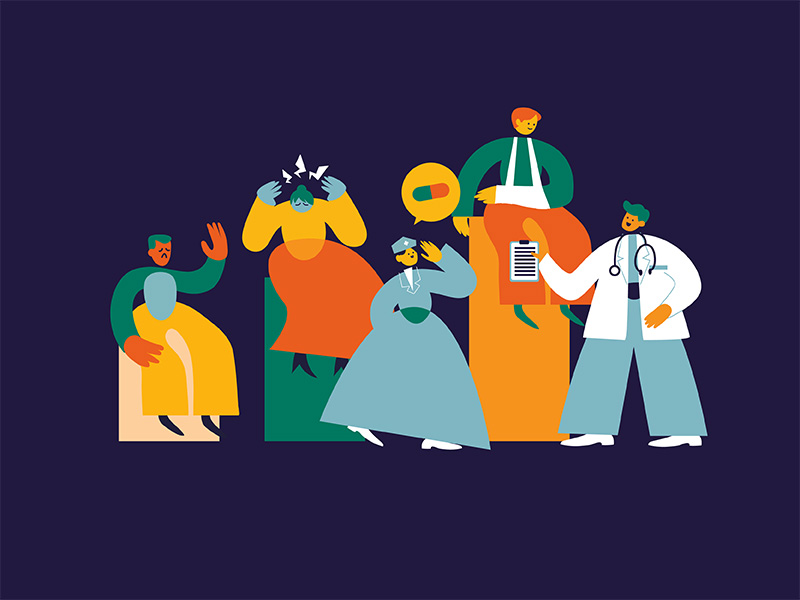
Scientific animation turns processes nobody can see, such as cell metabolism, drug action, or energy flowing through a system, into something students, clinicians, and investors can follow. The best studios combine visual craft with scientific accuracy, and they check the second as carefully as the first.
Below are seven scientific animation companies compared on location, specialism, and format, the three criteria we used to select them, and how to choose between 2D and 3D for your project.
Disclosure: this article is published by F. Learning Studio, which is listed first. The list is not a ranking. The other six companies were profiled from public sources and their own websites at the time of writing; verify current details directly.

7 Scientific Animation Companies at a Glance
| Company | Based in | Specialism | Formats |
| F. Learning Studio | Vietnam | Science education, healthcare, scientific visualisation | 2D, 3D, motion graphics, whiteboard |
| Ghost Medical Animation + VR Surgery | United States | Surgical and orthopaedic animation, surgical VR | 3D, VR |
| Random42 | London, UK | Pharmaceutical and biotech mechanism of action | 3D, VR, AR |
| Austin Visuals | Texas, US | Medical procedures and devices | 2D, 3D, VR |
| Fusion Medical Animation | UK | Pharma, biotech, and healthcare animation | 2D, 3D, interactive, VR |
| MadMicrobe Studio | Not publicly stated | Healthcare communications agencies | 3D, motion graphics |
| 3FX, Inc. | Not publicly stated | Mechanism of action and disease | 3D, AR, VR, interactive |
How We Selected These Companies
Each company had to meet three criteria: animation quality, scientific expertise and experience, and client evidence.
1. Quality of animation
Visual appeal matters, but in scientific work the test is whether the animation communicates the concept correctly. A beautiful render of the wrong mechanism is worse than a plain diagram of the right one.

2. Expertise and experience
Look at past projects in fields close to yours, and ask who checks the science. The strongest studios put a subject-matter expert into review at script stage and again before final render.
3. Client reviews, testimonials, and case studies
Reviews show what working with a studio is like. Case studies show how it handled a real problem: the brief, the approach, and what changed. Named clients and published case studies count for more than general praise.

7 Scientific Animation Companies Compared
1. F. Learning Studio
F. Learning Studio is a Vietnam-based animation studio that has produced educational and healthcare animation since 2016, with science education and scientific visualisation as core areas. It produces one-off videos and full series, in 2D and now in 3D.
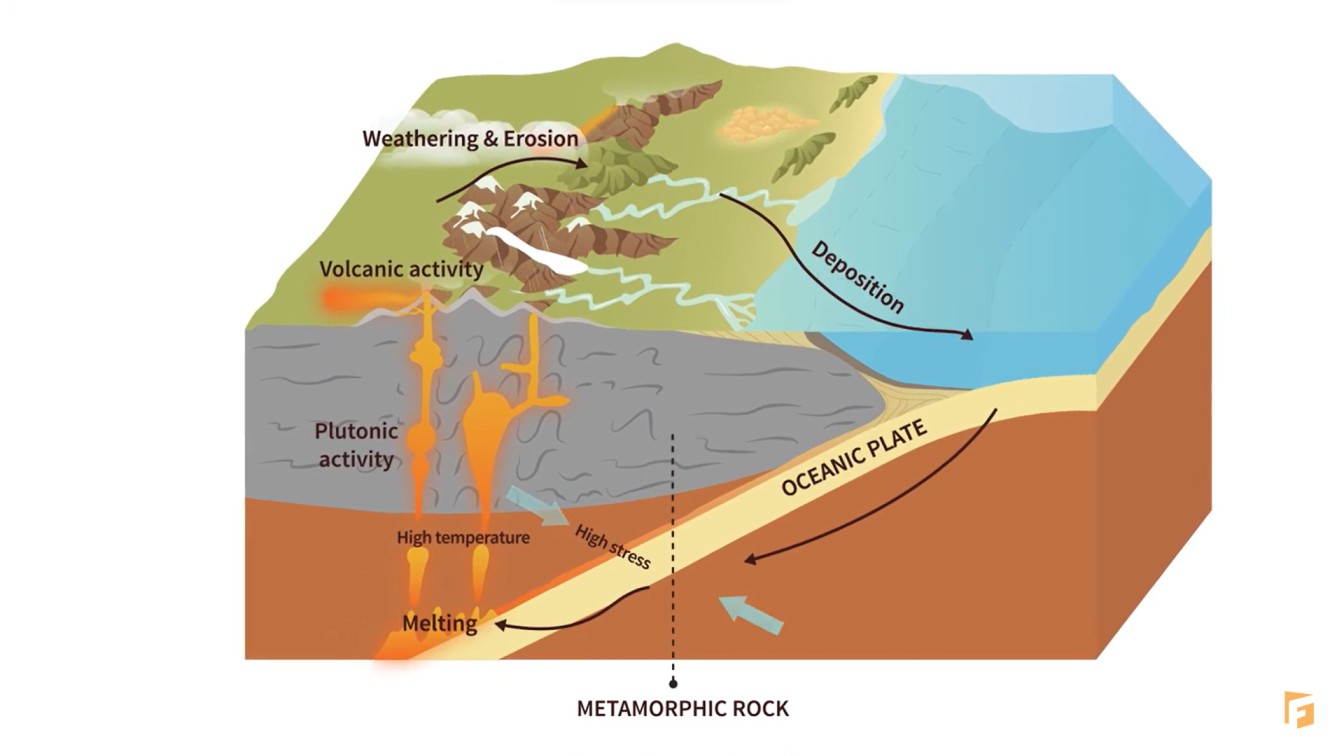
Quality of animation. Styles range from whiteboard and motion graphics to character and hand-drawn animation, with custom characters built for each project. The work for UNSW below shows how 2D handles earth science; the 3D piece after it shows a full scientific visualisation.
For a keynote at The Electrochemical Society, F. Learning Studio produced a 3D visualisation showing how several energy technologies interact inside one integrated system. The camera moves through the system to reveal relationships that a static diagram cannot show.
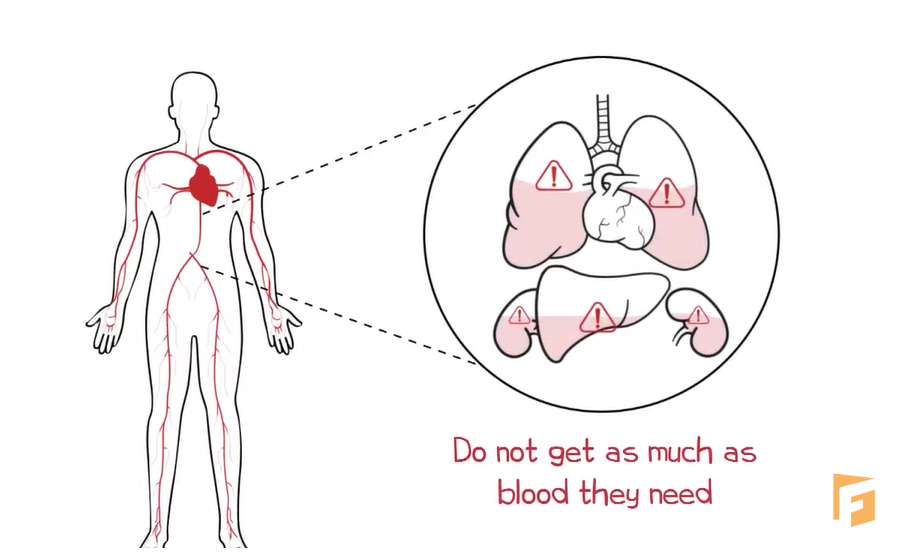
Expertise and experience. On scientific work, subject-matter experts review at script, model, and animation stages, so accuracy is checked before it is expensive to fix. The studio also advises on which animation type and script structure suit the subject. This work sits under science and complex information communication.
Client evidence. F. Learning Studio holds a 5.0 rating on Clutch and has testimonials from clients including Discover Permaculture and UV Smart. Published case studies include SimpleNursing and science animation for UNSW online courses.
2. Ghost Medical Animation + VR Surgery
Ghost Medical is a medical animation studio and surgical VR developer. Its animations serve surgical training, medical marketing, and patient education.
Quality of animation. Ghost produces photorealistic and hyper-realistic visuals and works closely with medical professionals on details such as muscle movement and device interaction.
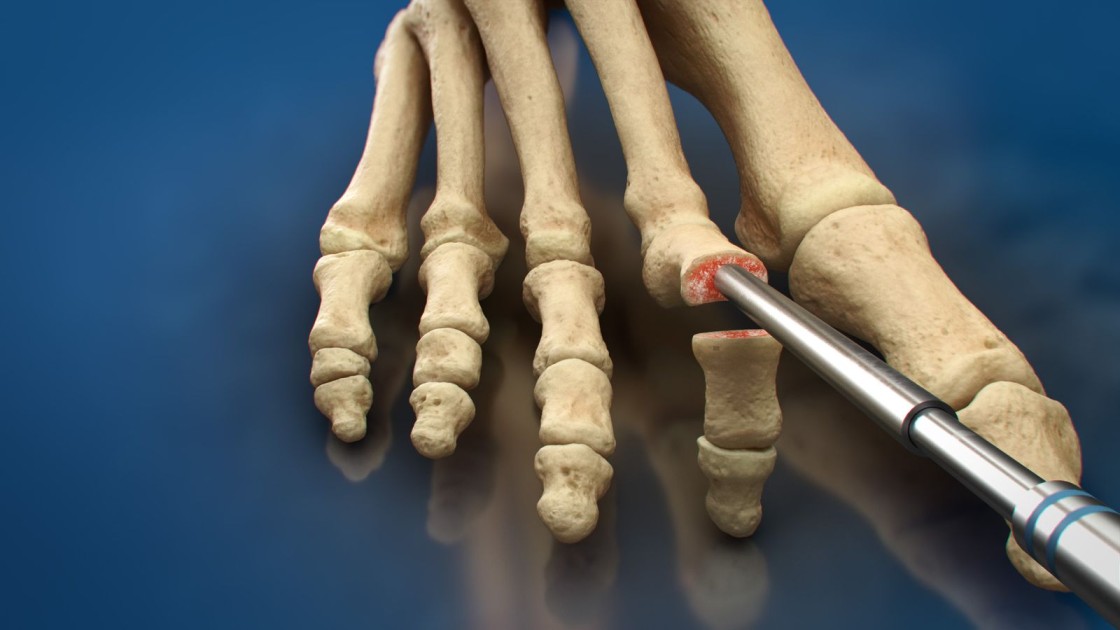
Expertise and experience. Ghost reports around 25 years in operation and awards including the Davey Award for Best Medical Animation and the Communicator Award of Excellence.
Client evidence. Its site features testimonials from medical institutions and pharmaceutical companies, plus case studies on stem cell research and varicose vein treatment.
3. Random42
Random42 is a London-based scientific animation and communication agency working for pharmaceutical, medical, and biotech companies through 3D animation, VR, and AR.
Quality of animation. Random42 creates all scientific and creative content in-house, combining medical expertise with 3D artists and interactive designers, and uses VR and AR for immersive experiences.
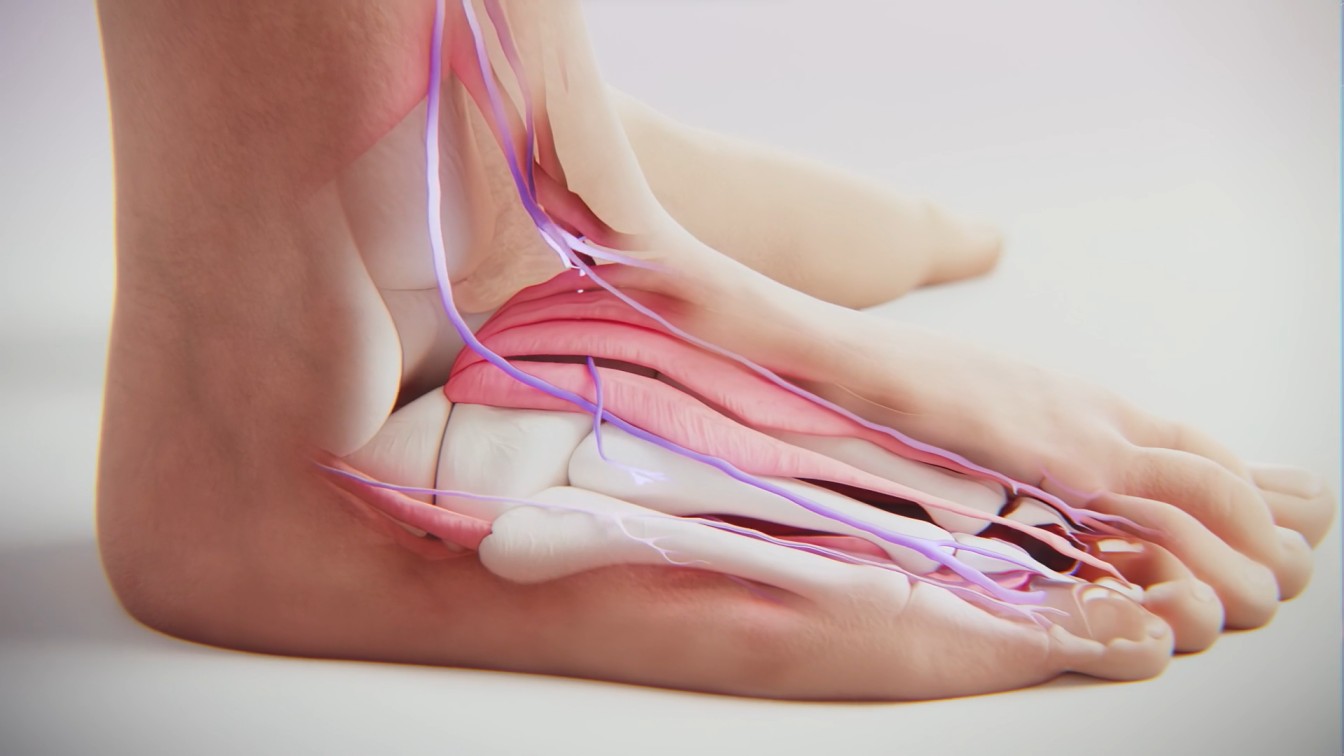
Expertise and experience. Founded in 1992, Random42 was an early specialist in medical animation. It reports more than 3,000 minutes of animation produced and over 300 industry awards.
Client evidence. Awards include the Prix Lumière and Communicator Awards, with client references from companies such as Alkermes and Neurent Medical.
4. Austin Visuals
Austin Visuals, founded in 2007, is a Texas-based studio producing animation and VR for medicine and other industries.
Quality of animation. Its artists work across 3D modelling, hyperrealism, and motion graphics, with attention to anatomical accuracy in medical work.
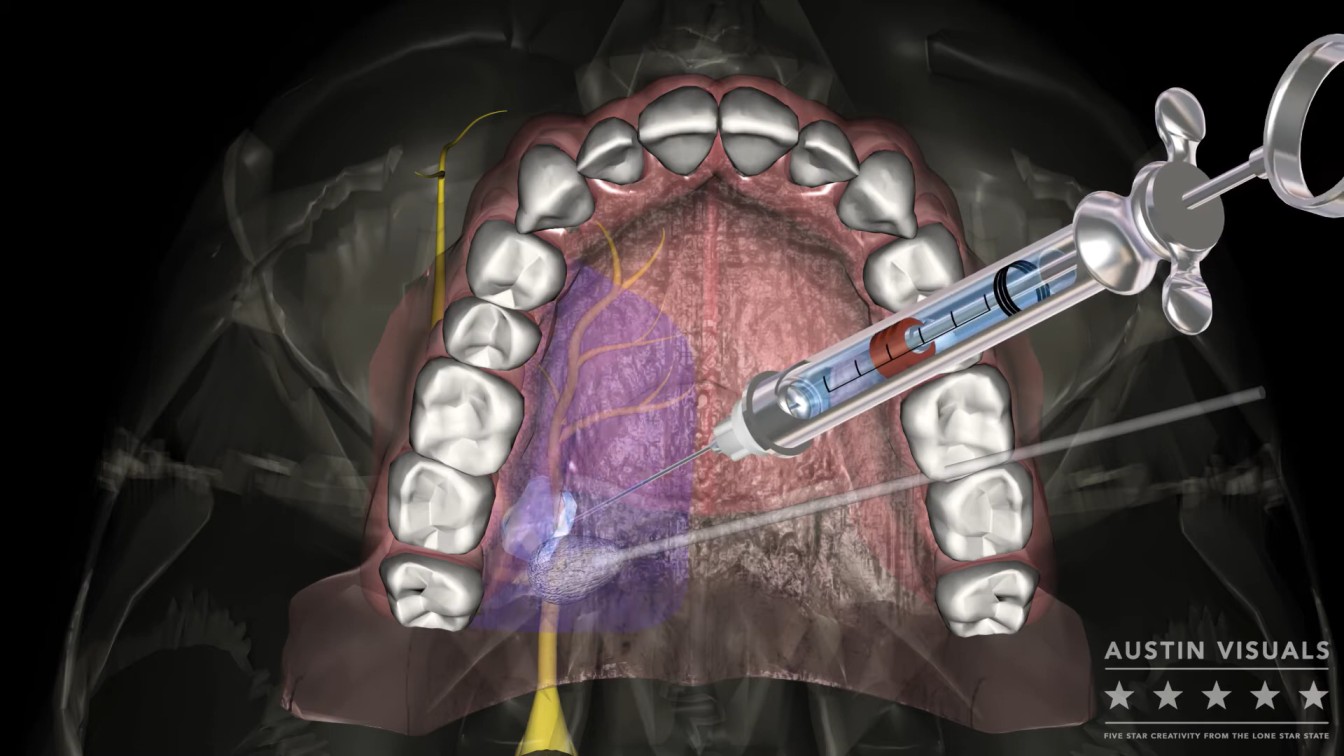
Expertise and experience. The studio reports a team of 21 US-based artists and writers, and clients including AstraZeneca, GlaxoSmithKline, and Pfizer.
Client evidence. Multiple five-star reviews, from healthcare clients and from sectors such as IT and agriculture.
5. Fusion Medical Animation
Fusion Medical Animation creates medically accurate animation for pharmaceutical, biotech, and healthcare companies using 2D, 3D, interactive, and VR formats.
Quality of animation. Fusion uses current 3D modelling and rendering tools for photorealistic visuals, with a team that combines filmmakers, scientists, and medical professionals.
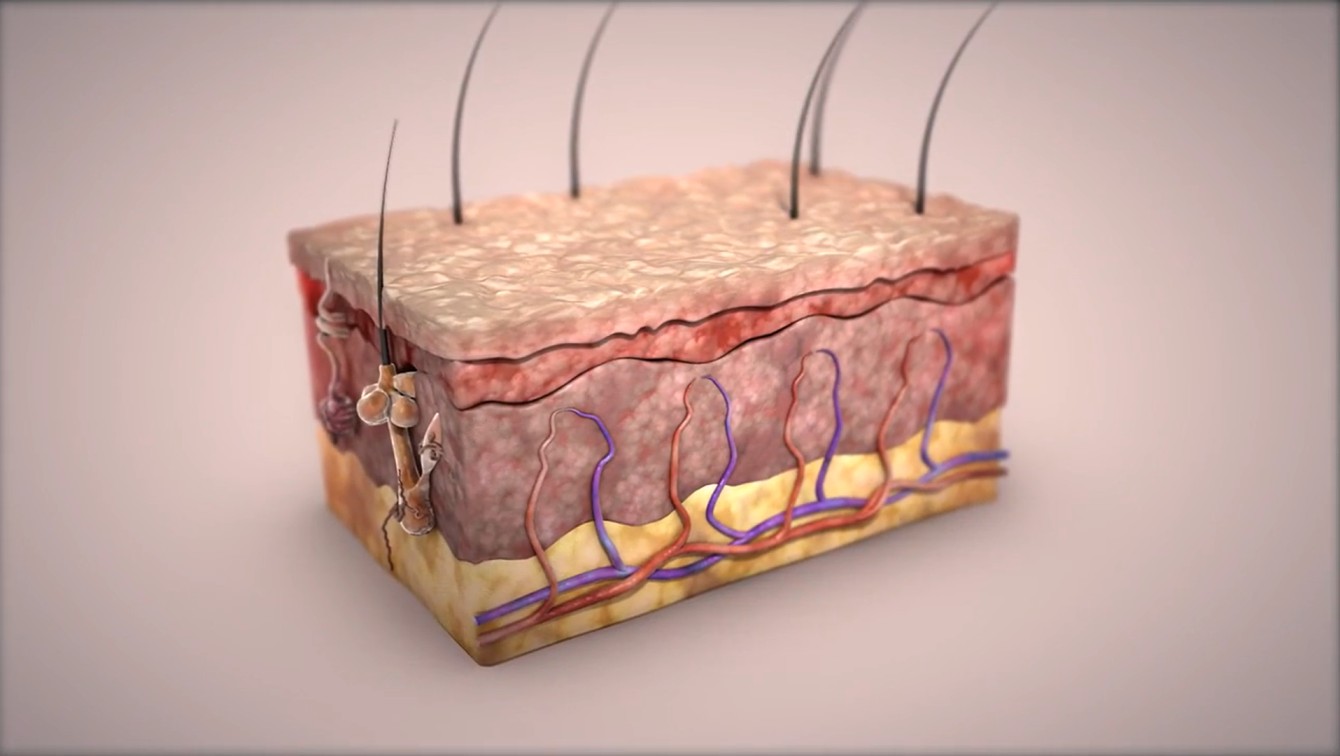
Expertise and experience. Founded in 2010, Fusion has worked with pharmaceutical, biotech, and healthcare companies for more than a decade and reports major industry awards for its work.
Client evidence. Clients include Unilever, Springer Nature, and Samsung Biologics.
6. MadMicrobe Studio
MadMicrobe Studio focuses on scientific and healthcare communication through animation, blending art and science to make complex knowledge accessible.
Quality of animation. The studio works in 3D modelling, animation, and motion graphics, balancing scientific detail with visual storytelling.
Expertise and experience. Established in 2015, MadMicrobe is led by a core team with more than 20 years of combined experience in healthcare communications, and reports awards including the Digital ADDY Awards.
Client evidence. Testimonials come from agencies and healthcare organisations such as The Sandbox Agency, FCB Health, and XPION GmbH.
7. 3FX, Inc.
3FX specialises in mechanism of action and mechanism of disease animation, plus VR surgery simulations and other scientific visual content.
Quality of animation. 3FX uses 3D modelling, high-resolution rendering, and hyperrealism, and works with medical professionals and researchers on accuracy.
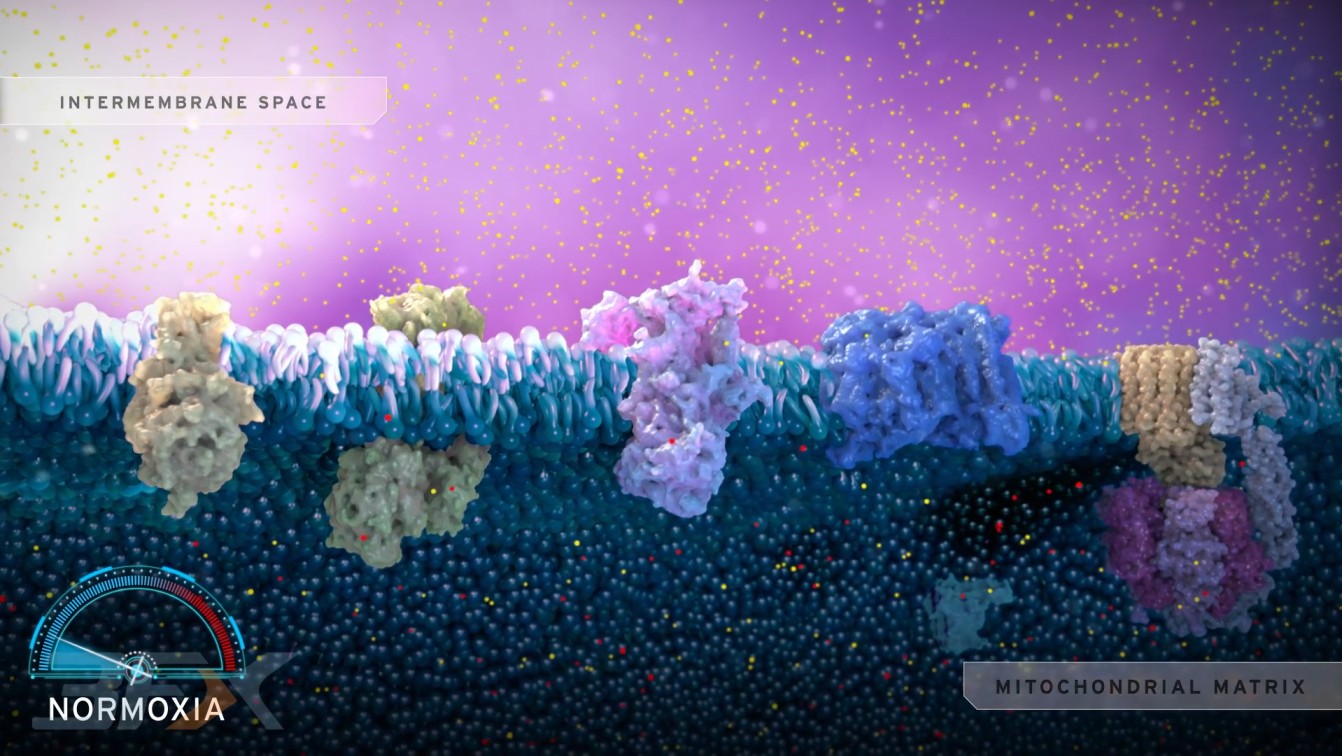
Expertise and experience. 3FX reports around 28 years of experience across rheumatology, surgery, pharmacology, oncology, and neuroscience.
Client evidence. Testimonials come from pharmaceutical companies including Roche and AstraZeneca, and its case studies cover 3D, AR, VR, and interactive projects.
Most studios above do not publish prices
Get a benchmark first. Pick your style, runtime and complexity, and see a figure on screen before you request quotes.
Open the animation cost calculator About two minutes. No email required to see the estimate.How to Choose the Right Scientific Animation Company
1. Define your needs
Before contacting anyone, settle your goal, your audience, the one message they must take away, and your budget. A studio can only be judged against a clear brief.
2. Choose between 2D and 3D
- 2D suits processes, concepts, and teaching, especially when the goal is clarity on a tighter budget.
- 3D suits structures and spatial relationships, such as molecules, organs, devices, and integrated systems, where depth is part of the explanation.
- Both can sit in one project: 2D for the narrative and 3D for the passage that needs real geometry. 2.5D, which adds depth to layered 2D artwork, is a lighter option between the two.
Pure 3D specialists such as Random42 and 3FX suit projects that are 3D from start to finish. F. Learning Studio suits education and communication projects that mix 2D and 3D, or need a series rather than a single film.
3. Ask how the science is checked
Ask who reviews accuracy and at which stages. An error caught at script stage costs almost nothing; the same error caught after rendering means rebuilding the scene.
Where to Start
Define the brief, decide whether the subject needs 2D, 3D, or both, then shortlist two or three studios with work close to your field and ask how they check the science.
Have a scientific concept your audience keeps getting wrong?
Bring the topic, the audience, and who will check the science. In 30 minutes you will get a recommendation on 2D, 3D, or both, and a scoped figure. If you would rather see it first, we will animate a short sample at no cost.
Producing educational and scientific animation since 2016 · 5.0 rating on Clutch · Trusted by UNSW Sydney, UV Smart and SimpleNursing
- WhatsApp: (+84) 378 713 132
- Email: [email protected]
- Fanpage: https://www.facebook.com/f.learningstudio
- LinkedIn: https://www.linkedin.com/company/f-learning-studio/
FAQs About Scientific Animation Companies
What is scientific animation?
Scientific animation uses 2D or 3D animation to show processes that cannot be observed directly, such as cell metabolism, drug mechanisms, disease progression, or how components of a system interact. It is used in education, research communication, pharmaceutical marketing, and investor or conference presentations.
How do I choose a scientific animation company?
Define your goal, audience, and budget first. Then look for work close to your field, named clients and published case studies, and a clear answer to who checks the science and at which stages. Decide whether your subject needs 2D, 3D, or a mix before you shortlist.
Should scientific animation be 2D or 3D?
Use 2D for processes, concepts, and teaching, where clarity matters more than geometry. Use 3D for structures and spatial relationships such as molecules, organs, devices, and integrated systems. Many projects combine both, with 2D for the narrative and 3D for the passage that needs depth.
How is scientific accuracy checked in animation?
A subject-matter expert should review the script, the models or designs, and the animation before final render. Errors caught at script stage cost almost nothing, while errors caught after rendering mean rebuilding scenes.
How much does scientific animation cost?
Cost depends on style, length, and complexity. 2D animation is usually the most affordable, while detailed 3D work costs considerably more because it requires modelling, texturing, lighting, and rendering. Most specialist studios do not publish rates, so use a cost calculator to get a benchmark before requesting quotes.
Recommended reading: 5 Best Animated Video Production Companies · 9 Best 3D Medical Animation Companies Compared

Sean Bui, the founder and creative director of F. Learning Studio, is a respected leader in the e-learning and multimedia production industry.
With over 10 years of experience, he has dedicated his career to helping organizations create engaging and impactful learning experiences. Under his leadership, F.Learning Studio has grown into a trusted partner for organizations in the education, healthcare, and corporate training sectors, producing over 2,000 minutes of educational animation.
Sean’s expertise in translating complex concepts into compelling animated videos and interactive learning experiences, as well as his active involvement in the e-learning community, have earned him a reputation as a trusted partner and thought leader in the field of educational technology.