




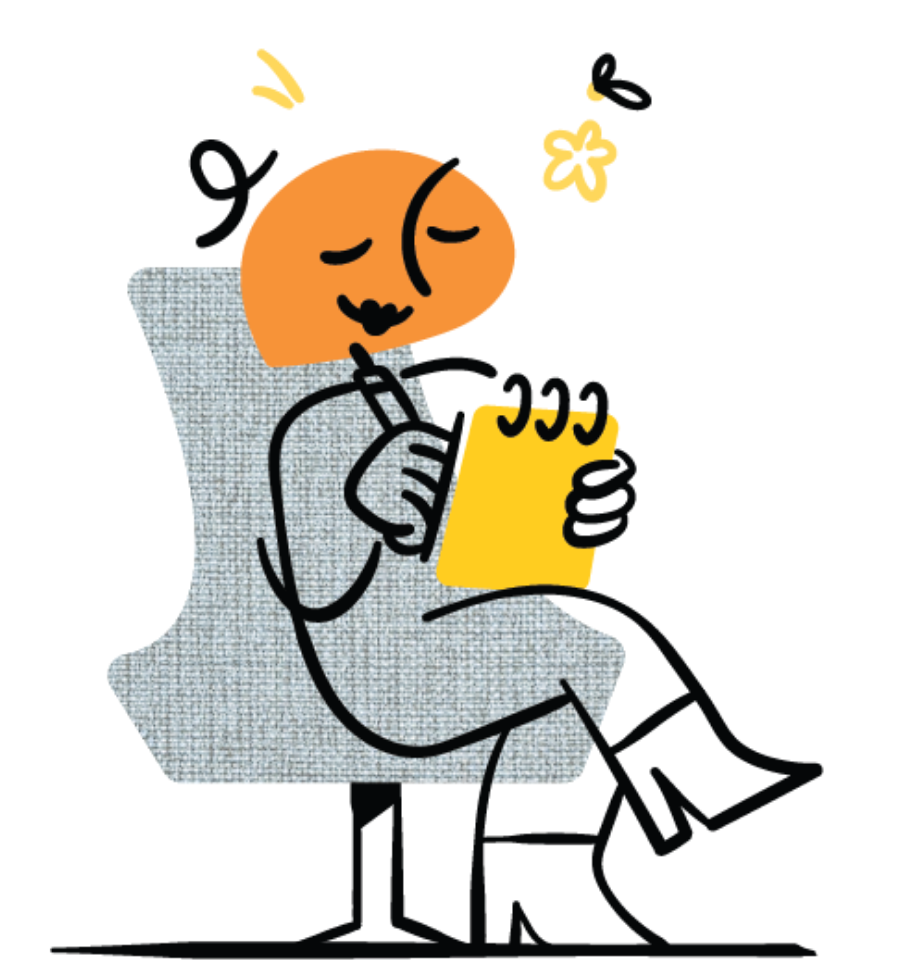

F. Learning creates character animation that helps organizations make behavior, values, and decision-making visible through relatable characters and story-driven scenarios audiences recognize and respond to.
When the goal is helping people recognize a situation and respond differently - not simply explaining information - character animation often provides the most memorable and persuasive solution.
Some training problems are not information problems at all.
A new manager may already know that psychological safety matters - and still freeze the first time a direct report pushes back in a meeting.
A customer service rep may know the escalation policy by heart - and still default to a script the moment a customer gets emotional.
A team may complete a full DEI module - and still miss a comment because they've never had to notice it happening in real time, under pressure, with other people watching.
This is the kind of gap character animation was built to close. The story lets an audience watch a situation unfold - the hesitation, the wrong move, the better one - before they're the one standing in it. It doesn't add more information. It adds rehearsal.
Character animation is most effective when the challenge is recognizing a moment and choosing how to respond - not learning a new fact.
Builds muscle memory for situations where the right response depends on reading people, not reciting rules.
Examples:
Shows new hires what "good" looks like in practice - not just what the handbook says is expected.
Examples:
Creates enough emotional distance for audiences to engage with a hard subject without becoming defensive.
Examples:
Makes a product's value feel personal by showing a character actually living with the problem it solves - not listing features at the audience.
Examples:
Many character animation projects focus on making characters likeable, the art style appealing, and the story entertaining. These elements matter.
But a character audiences enjoy watching isn't the same as a character audiences recognize themselves in - and recognition is what actually moves behavior.
A charming character can still fail to land if the situation feels staged.
A beautifully designed mascot can still feel hollow if it never faces a real decision.
A well-produced training story can still leave viewers unmoved if the conflict resolves too easily, with no friction to make the "right" choice feel earned.
This is why F.Learning starts character animation projects with the behavior outcome, not the character brief. Before a character is designed, we define what the audience needs to recognize, feel, or decide differently. Story structure, character design, and visual style all follow from that answer - not the other way around.
Different behavioral and communication goals call for different character animation formats.
Places a character inside a single high-stakes decision moment, built around the friction and ambiguity of a real situation.
Best suited for:
Builds a consistent character identity reused across an onboarding series, training library, or brand campaign.
Best suited for:
Uses realistic conversation and reaction to show what good - and not-so-good - responses actually sound like.
Best suited for:
Uses a relatable character as the audience's stand-in to walk through a product, service, or process from a personal point of view.
Best suited for:
Organizations commonly use character animation to support:
Most behavioral and culture training is measured by completion, not by what changes afterward. Character animation is chosen specifically because story-based learning is more likely to be remembered at the moment it's needed - not just at the moment it's delivered.
Organizations frequently choose character animation when they need to:
Because the same character system can be reused across an entire training or communication series, character animation often becomes a long-term asset rather than a single video.
We start with one question: what do we want the audience to think, feel, or do differently? This defines the situations, decision points, and emotional beats the story needs to produce - before any character is designed.
Characters are designed to be recognized, not just liked. Situations are built with the friction, ambiguity, and competing priorities audiences actually face - not idealized scenarios that feel true in a studio but hollow in real life.
Story flow, decision points, and consequences are mapped before production begins. The narrative is structured to produce the behavioral outcome - not just an engaging viewing experience.
Script, storyboard, character design, and animation are reviewed against 2 measures: does the situation feel real, and does the story lead to the right understanding or decision?
Public-facing patient education that explains rectal bleeding in a clear, approachable format for people experiencing the symptom.
Helped simplify a complex topic with relatable visuals and tone-matching character reactions
Stylized character animation with simple scenes and minimal background detail. A soft, calming color palette keeps the visuals approachable and the medical information easy to follow.
Character animation works best when the challenge is human behavior or contextual decision-making, not a process or system. If the goal is to explain how something works, motion graphics is usually the stronger fit; if the goal is helping people recognize a situation and respond differently, character animation is.
It depends on character complexity, animation style, and length, not on a fixed minimum. Stylized character animation can be cost-effective while still driving real behavior change - we scope style and complexity around the outcome you need, not a default look.
Yes. Character systems are designed for reuse, so a training series, onboarding program, or ongoing campaign can stay visually consistent without rebuilding character assets each time.
Tone, language, and visual register are calibrated to the emotional weight of the topic, and we work closely with subject matter experts and stakeholders to keep representation and framing accurate and respectful.
A single scenario-based piece usually runs 6–10 weeks depending on character complexity and review cycles. Series projects are scoped by episode count and how much of the character system can be reused.
When the goal is to change how people think, feel, or respond, character animation builds the story that makes that possible.
Our services