


































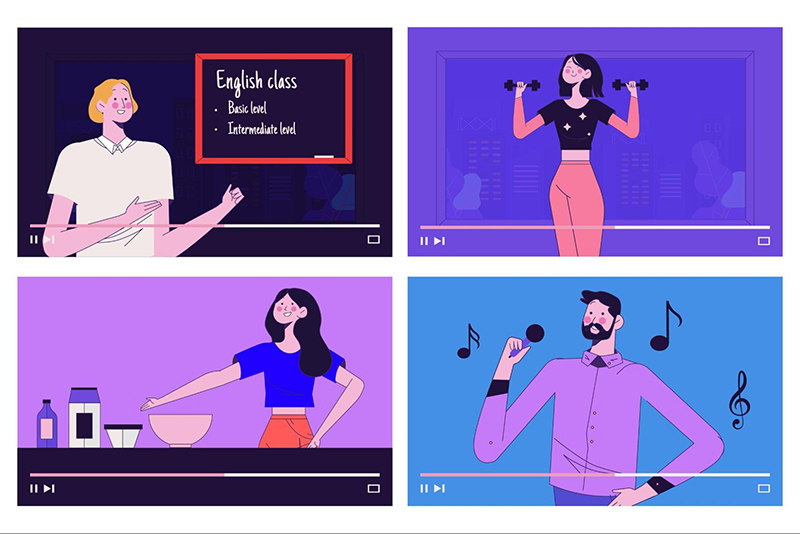


We create clear, emotionally resonant visual communication that helps public and community audiences understand complex issues, recognize why they matter, and take the action or shift the behavior the campaign is designed to produce.
Used by public health organizations, NGOs, government bodies, advocacy groups, and research institutions communicating complex issues to general audiences.
Most organizations communicate change thoroughly. Town halls happen. Decks get shared. Managers cascade the message. And then execution diverges anyway.
A campaign that generates views, shares, and positive sentiment without producing changed understanding or behavior has delivered reach, not impact. And most campaign metrics are designed to measure the former while hoping for the latter.
Audiences may encounter a campaign while still uncertain about:
Why this issue actually affects them, not just people in general
What the mechanism is behind the problem - not just that it exists, but how it works
What they specifically can or should do differently as a result
Whether the issue is urgent enough to override the inertia of existing attitudes and habits
This becomes especially difficult for public health issues where the connection between behavior and consequence is delayed or invisible, scientific and research communication where the evidence is real but the public framing is abstract, social and policy issues where competing narratives create confusion rather than clarity, and any campaign where the desired action requires genuine understanding rather than just emotional response.
The most common public awareness failure isn't low reach. It's campaigns that create vague sympathy for a cause without producing the specific understanding that motivates changed behavior. People feel they've "learned about" an issue - and then continue behaving exactly as before.
The goal isn't impressions, plays, or shares. It's whether the audience understands something specific enough to think, feel, or act differently as a result.
For public awareness and education campaigns to produce real impact:
Public awareness communication is not simply about making an issue more visually engaging or emotionally compelling.
It requires making a complex issue understandable enough - at the mechanism level - that the audience can form a genuine opinion, feel an informed emotional response, and know what to do with it. Most campaigns invest heavily in emotional framing and distribution, and underinvest in the explanation architecture that makes the emotion meaningful and the action clear.
Most public awareness campaigns are designed for the moment of exposure: the ad is seen, the video is watched, the post is shared. F.Learning designs for what happens after, when the audience is back in their normal environment, and the message competes with existing beliefs, habits, and social pressure for behavioral priority.
After supporting public health, research, advocacy, and social issue communication for organizations ranging from academic institutions to international NGOs, F.Learning has developed approaches that address where public communication most commonly stops short of its impact goal. We focus specifically on:
Rather than treating public awareness as a creative challenge, we approach it as an explanation problem - where emotional resonance and factual clarity are both required, and neither works without the other.
Different public awareness and education challenges require different communication approaches.
Recommended approaches:
Best suited for health education, public safety, social issues, environmental topics, and campaigns that need to make unfamiliar or technical information accessible to a broad audience.
Recommended approaches:
Best suited for hidden health conditions, complex social challenges, scientific issues, and topics where people need to see how the issue affects real lives before they understand why it matters.
Recommended approaches:
Best suited for prevention campaigns, public health guidance, emergency preparedness, patient education, and initiatives where awareness must lead to a specific behavior or decision.
Recommended approaches:
Best suited for national or regional campaigns, nonprofit initiatives, multilingual communication, long-term education programs, and campaigns distributed through social media, websites, events, presentations, and community partners.
Not sure about the right approach for your project?
Explore how healthcare organizations use animation and visual explanation to support procedure preparation, treatment understanding, chronic condition education, recovery communication, and patient confidence.
A democracy and citizenship organization needed to help young people recognize online radicalization tactics - a complex, sensitive issue where the audience needed to understand a process, not just be warned about it.
We developed an interactive, choice-based learning experience that placed young learners inside realistic social scenarios - helping them recognize manipulation tactics and understand the real-world consequences of decisions before they encountered them in practice.
Complex behavioral awareness delivered through an experience that felt relevant and real to the target audience.
A global animal welfare campaign needed to communicate a high-stakes, emotionally and ethically complex issue with clarity and directness - to international audiences across multiple channels.
We produced campaign animation that communicated the issue clearly, maintained the right emotional register for a sensitive topic, and delivered a direct, unambiguous message for a global campaign.
High-quality work that captured attention and delivered a clear, direct message for a campaign requiring both emotional impact and factual accuracy.
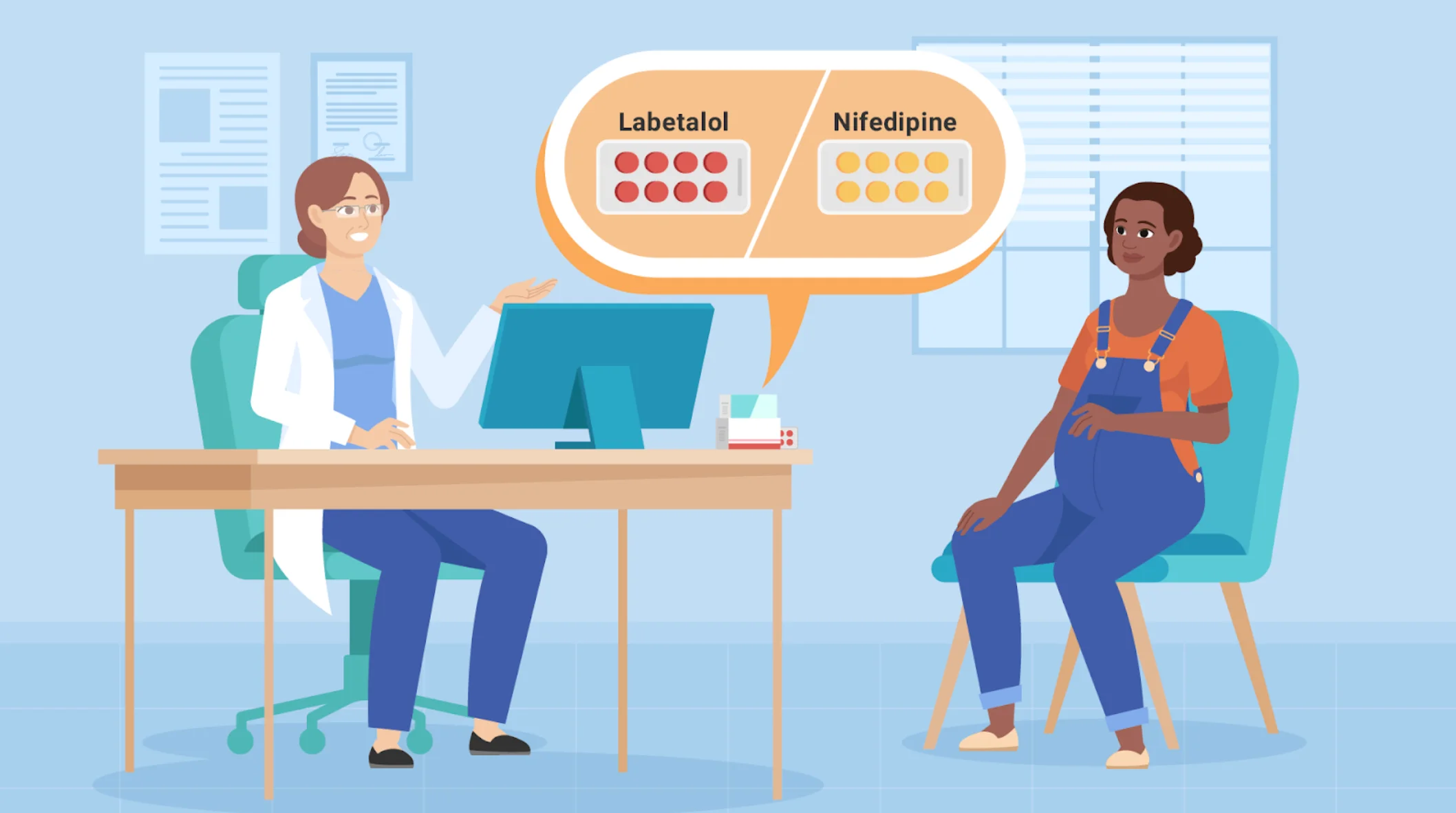
A healthcare research team needed to communicate complex pregnancy hypertension research to wider public and medical audiences - making the science accessible without losing its clinical significance. Academic language and static research materials weren't reaching the audiences the research needed to influence.
We developed animated explainers, infographic posters, and social media visuals that translated the research into clear, accessible communication - showing what the condition is, why it matters, and what the research means for patient care and awareness.
Complex research made accessible to both public and clinical audiences across multiple channels with consistent visual identity and message clarity.
Most campaigns are briefed around reach targets and issue areas. We start from what the audience needs to understand, believe, or do differently - and work backward from there.
This includes:
Behind every public awareness issue there is a mechanism - a chain of cause, consequence, and connection that makes the issue real rather than abstract. We identify which part of that chain is currently invisible to the audience and most responsible for their inaction or misunderstanding.
This includes:
Public campaigns fail when these two compete rather than reinforce each other. We build both into the communication architecture from the start.
We bridge the two, including:
Related service execution:
Public campaigns reach audiences through different channels, at different moments, with different levels of prior knowledge. We design for this from the start.
This includes:
If public communication is failing to produce the behavior change or understanding shift the campaign is designed for, these resources may help:
Public health, healthcare research communication, social and environmental awareness, policy and civic education, safety campaigns, and any context where complex issues need to reach general audiences with clarity and purpose.
We separate the emotional weight of the topic from the clarity of the explanation. A sensitive subject can still be communicated precisely, what a viewer needs to understand and do without the tone becoming clinical or the message getting diluted to avoid discomfort. Subject-matter experts and advocacy partners review for accuracy and appropriateness; we review for whether the explanation still lands the way it's meant to.
Yes. We design with adaptation in mind - core message architecture and visual systems that can be localized for different languages, cultural contexts, or audience segments without rebuilding from scratch.
Commercial communication is designed to produce a decision. Awareness communication is designed to shift understanding and behavior over time, often without a clear transaction or immediate call to action. The message architecture, sequencing, and success criteria are all different.
Not through reach or engagement metrics alone. More meaningful indicators include message recall accuracy, reported behavior change, audience ability to explain the issue to others, and conversion to the specific action the campaign was designed to motivate. We help define the right metrics at the brief stage.
Yes. We work with researchers, clinicians, and technical SMEs to understand the evidence base and translate it into communication that general audiences can process without losing the scientific integrity that makes it credible.
A core campaign asset - animated explainer, infographic series, or social video set - typically runs 6–10 weeks depending on complexity, the number of audience versions required, and SME review cycles. Multi-channel campaign systems are scoped based on the full asset list.
If your campaign is reaching the right audiences but not producing the behavior change or public understanding it was designed for - the explanation needs to do more than make people feel something. That's what F.Learning is built to design.
Our services