
The healthcare video marketing examples that work best share one habit: they lead with people and feelings, and let the medicine follow. Procedures and features come second.
Below are 20 examples across four types, the lessons they share, what to measure, and the consent and compliance checks healthcare video needs before it goes live.
Disclosure: this article is published by F. Learning Studio. Four of the examples are our own work and are labelled as such; the rest are from other organisations.
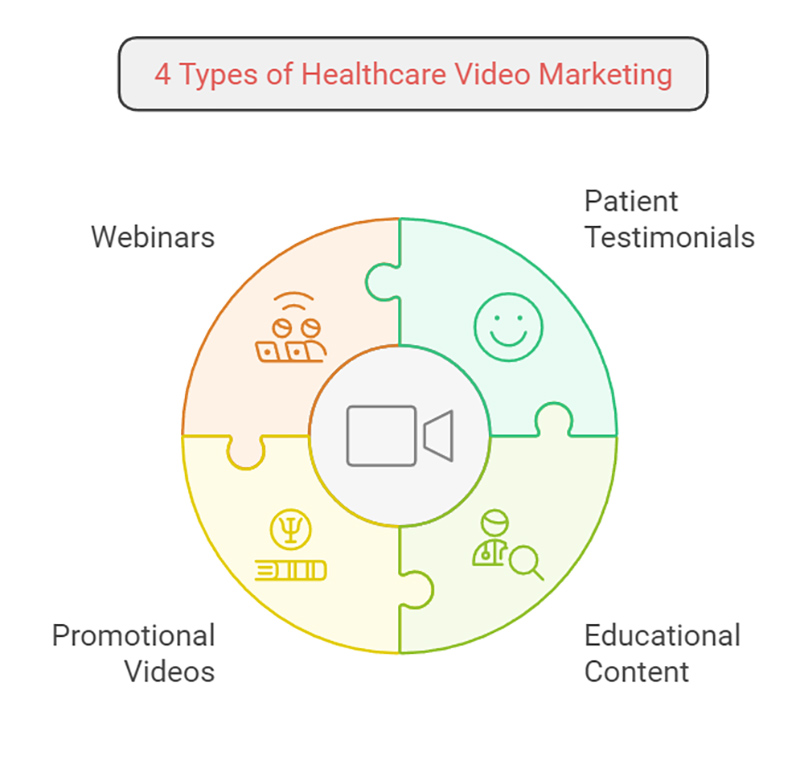
4 Types of Healthcare Video Marketing, with 20 Examples
| Type | Why it works | Best for |
| Patient testimonials | Real people make outcomes believable | Trust for a specific treatment or provider |
| Educational content | Clear explanations reduce fear and confusion | Awareness, misconceptions, patient education |
| Promotional and fundraising | Emotional stories make a brand memorable and prompt action | Brand visibility, service launches, donations |
| Professional education | Structured explanation earns credibility with clinicians | CME, clinician audiences, health-tech positioning |
1. Patient Testimonials
Testimonial videos share real stories from patients who have benefited from a provider’s care. They build trust and emotional connection because the evidence comes from a person, not from the brand. In the US, using a patient’s health information in marketing generally requires their written authorization under HIPAA, so plan consent before filming.
OhioHealth: Sharing Your Optimism
This campaign moves the focus from procedures to resilience, showing cancer patients who keep making plans despite their diagnosis. The hopeful message showcases OhioHealth’s holistic approach to cancer care without a single clinical detail.
Sutter Health: Showing Real Experiences
Featuring organ transplant recipients alongside the staff who cared for them, Sutter Health’s campaign tells a story of hope and transformation. Pairing patient and clinician voices makes the outcome feel earned rather than advertised.
Patient Testimonial: Mr. Venkatesh Roddam, Spot Stroke
A personal account of stroke recovery that doubles as public education: the story carries a clear message about acting quickly when symptoms appear.
Read more: The 4 Types of Patients You’ll Care for as a Communication Manager and Addressing Patients’ Unmet Needs
2. Educational Content
Educational videos explain a condition, treatment, or service so viewers can make informed decisions. They often use animation, metaphor, or relatable scenarios, and they reduce the confusion caused by poor communication in healthcare. This is the core of patient education.
WHO: I Had a Black Dog, His Name Was Depression
This animation uses the metaphor of a black dog to show what living with depression feels like. A single, consistent image makes an invisible condition relatable and reduces stigma, which is why it is still widely shared.
Rectal Bleeding: Patient Education Animation (our work for Dr. Manish Chand)
F. Learning Studio produced this video with Dr. Manish Chand, a consultant surgeon, to explain colorectal treatment options to his patients. It was timed for Colorectal Awareness Month in March, when public interest peaks. The full story is in the case study section below.
Heal: Pediatric Home Visits
Heal’s animation starts with the frustrations of a hospital visit, from waiting rooms to traffic, then introduces home doctor visits as the alternative. Light humour makes the problem recognisable before the service is named.
Pharmacology Hack Series for Nursing Students (our work for SimpleNursing)
Short tips for nursing students on memory aids and dosage calculations. SimpleNursing, a US nursing education company, used animation produced with F. Learning Studio across its courses, and its social channels grew past 500,000 followers. Education content here doubles as marketing.
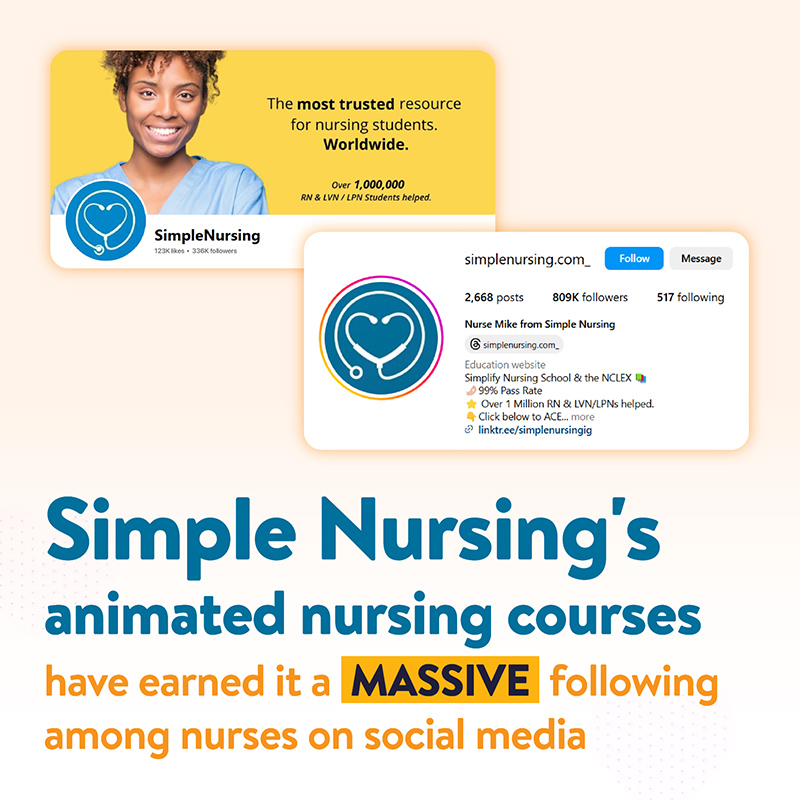
Read the full case study: How SimpleNursing videos attracted 200,000+ learners
Managing Diabetes, by Oscar Health
Oscar Health explains practical diabetes support, such as medication reminders, quick refills through an app, and at-home monitoring. Practical help sells the service better than any claim about it.
Social Determinants of Health: Youth Advocates for Community Health
This video shows how young leaders tackle health challenges in their own communities. Peer voices make a policy topic, health inequity, feel local and actionable. Campaigns like this sit under public awareness and education campaigns.
Planning patient education videos? Browse our healthcare work for the NHS, NYU Langone Health, Stanford University and SimpleNursing.
3. Promotional and Fundraising Videos
Promotional videos highlight what makes a provider, product, or cause different, and ask the viewer to do something: book, sign up, share, or donate. The best ones make the ask specific and put a human story in front of it.
IntelyCare (our work)
F. Learning Studio produced this introduction for IntelyCare, a healthcare workforce platform. Clean motion graphics and short messaging explain how the platform connects nursing professionals with facilities that need staff, so a service with several moving parts is clear in about two minutes.
The ALS Association: The Ice Bucket Challenge
The #IceBucketChallenge raised over $100 million in its first month. Participants poured ice water over their heads or donated, then nominated others. The lesson is the mechanic, not the production: the video was simple, but the ask was built to spread.
Avecina
Avecina Medical uses an animated story of two quirky characters who land in hospital after a silly mishap. Humour makes the hospital approachable while still presenting it as the dependable place to go.
Pfizer: We Are One
Pfizer sets aside its corporate image to spotlight its employees. Showing the people behind the products softens a brand that audiences usually see only in news coverage.
CirrusMD
CirrusMD explains its telehealth platform, which connects patients with doctors through private text-based care. The video focuses on the barriers it removes rather than on the technology itself.
SickKids Foundation
Illness appears as a dark cloud, then children push back with resilience and light. The emotional shift leads straight into a specific ask: become a monthly donor.
Montreal Children’s Hospital
Playful moments with children show what donations protect: a healthy future. The video shows the outcome of giving rather than the illness.
Great Ormond Street Hospital: Mia’s Christmas Journey
This animated story follows a young patient through Christmas in hospital. Seasonal timing and a single child’s perspective make a fundraising message feel personal rather than institutional.
Baylor Scott & White Health
The ad follows Jay, who recovered fully after heart surgery. One patient’s outcome positions the health system as a leader in advanced, patient-centred care.
4. Professional Education and CME
Videos for clinicians, such as continuing medical education (CME) and explainers for professional audiences, build credibility with the people who refer, prescribe, or buy. They need structure and accuracy more than emotion. This is healthcare professional education.
Inova Health: CME
Inova Health introduces its CME programme for healthcare professionals, using a clear, structured presentation that explains the benefits without overselling.
Intel: AI in Healthcare
Intel’s animation explains where AI fits in healthcare, using visuals and data to make an abstract technology concrete for professional audiences. A short explainer like this also works well as an opener for a webinar or conference session.
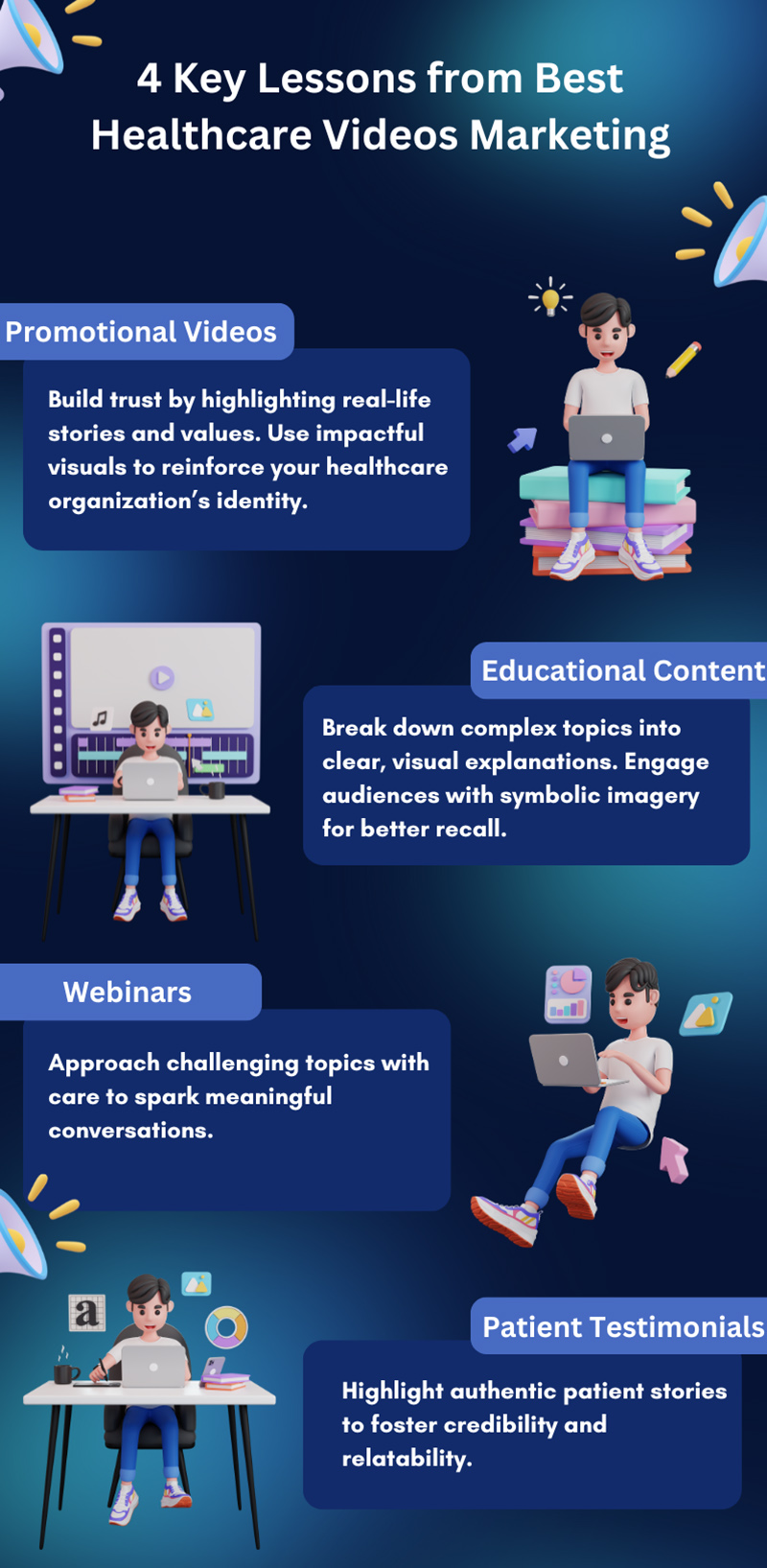
4 Lessons from the Best Healthcare Video Marketing
- Lead with people, not procedures. OhioHealth, Sutter, and Baylor sell care through a patient’s story. Not one of them explains a treatment.
- One metaphor or one emotion per video. The WHO’s black dog and SickKids’ dark cloud each carry the whole message with a single image.
- Make the ask specific. “Become a monthly donor” and “nominate three friends” outperform “learn more”.
- Time it to a moment. Awareness months, seasons, and news cycles bring an audience that is already paying attention, as the colorectal and Christmas examples show.
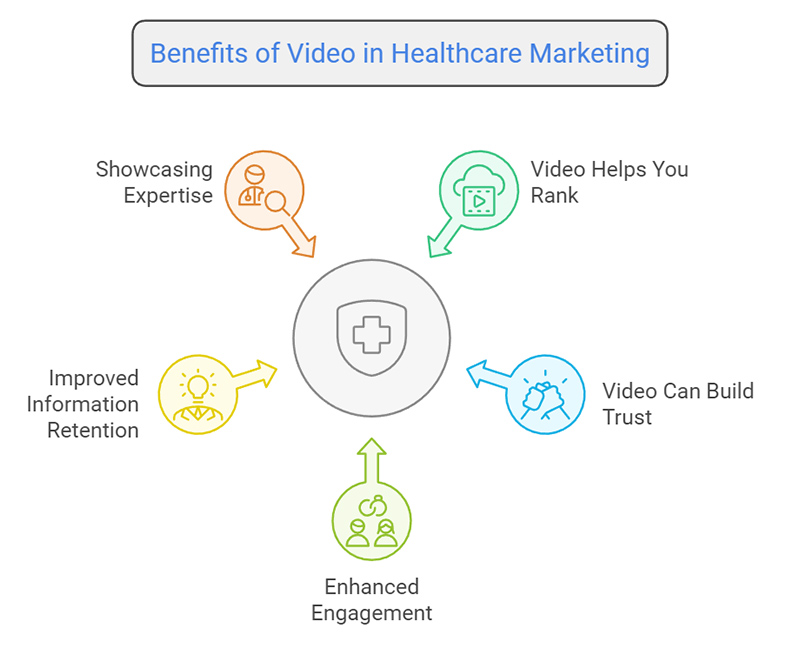
Why Video Works in Healthcare Marketing
Video is now standard: 91% of businesses use video marketing, according to Wyzowl. In healthcare it matters for a specific reason. Patients research providers before they choose, and 94% look at online reviews when evaluating one, so seeing and hearing real people carries weight.
- Visibility in search: patients start with search engines, and YouTube is itself a major search destination for health questions.
- Trust: testimonials and expert interviews show reliability in a way a brochure cannot.
- Understanding: showing a process is clearer than describing it, which reduces confusion before appointments.
- Authority: videos featuring experts or innovations set a provider apart from competitors.
Read more: 4 Patient Education Strategies that Promote Patient Engagement
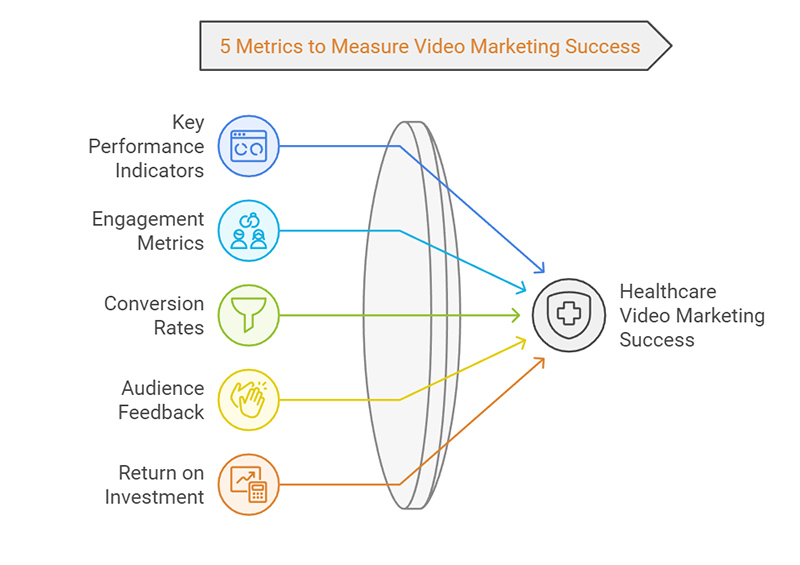
5 Metrics to Measure Healthcare Video Marketing
- Audience retention: where viewers drop off shows what to cut. It is more useful than total views.
- Engagement: likes, shares, and comments show whether the message resonated, especially for awareness campaigns.
- Conversion rate: the share of viewers who book an appointment, sign up, or donate.
- Audience feedback: surveys and comments show whether patients understood the message, not just whether they watched.
- Return on investment: compare production cost against the bookings, sign-ups, or donations the video drove.
6 Things to Consider When Creating Healthcare Marketing Videos
1. Tell a story
Storytelling is one of the most effective ways to connect emotionally. A patient’s journey, a clinician’s expertise, or a look behind the scenes makes content memorable and humanises the brand.
2. Nail the script
The script is the backbone of the video. Keep the message clear, aligned with your brand, and free of unnecessary medical jargon. Simplify without making it wrong.
You may also like: Top 8 Healthcare Explainer Videos for Your Business
3. Make it simple
Break complex topics into small pieces, using simple language and visuals. A viewer who understands keeps watching; a confused one leaves.
4. Balance the fun
Some humour and personality make healthcare content more approachable, especially for sensitive topics, as Heal and Avecina show. Keep it from undermining the seriousness of the message.
5. Keep it short
Attention drops quickly, so deliver the core message in the first minute or two. Longer content is fine for education, but split it into short modules.

6. Get consent and compliance right
This is the step most healthcare marketing guides skip. Patient testimonials need documented consent, and in the US, using patient health information in marketing generally requires written HIPAA authorization. Claims about outcomes, drugs, or devices may also need medical, legal, and regulatory review. Build that review into the schedule before production starts, not after the edit is finished.
You can explore more: Top 10 Video Production Agencies for Healthcare
Budgeting a healthcare video?
Pick your style, runtime and complexity, and see what your animated healthcare video would cost before you brief anyone.
Open the animation cost calculator About two minutes. No email required to see the estimate.Why Animation Works for Healthcare Marketing
- Turns complex processes into clear visuals, such as how a medication acts in the body or how a care pathway works.
- Handles sensitive topics gently, such as end-of-life care or mental health, without the harsh realism of live footage. See choosing 2D or 3D for sensitive subjects.
- Matches your brand with a custom style, from playful illustration to professional 3D.
- Updates cheaply: when a service or guideline changes, scenes can be revised without reshooting.
How F. Learning Studio Helps
F. Learning Studio has produced healthcare and medical animation since 2016 for providers, pharmaceutical companies, and medical institutions, including the NHS, NYU Langone Health, Stanford University, IntelyCare, and SimpleNursing. Styles range from 2D explainers and motion graphics to 3D animation, and production covers everything from script to final delivery.
- Free animation demo: see a short sample of your own topic before committing.
- Free consultation: plan a strategy around your marketing goal.
- Content structuring: turn existing materials into a clear script and structure.
- Interactive learning design: build learning experiences for patients or clinicians.
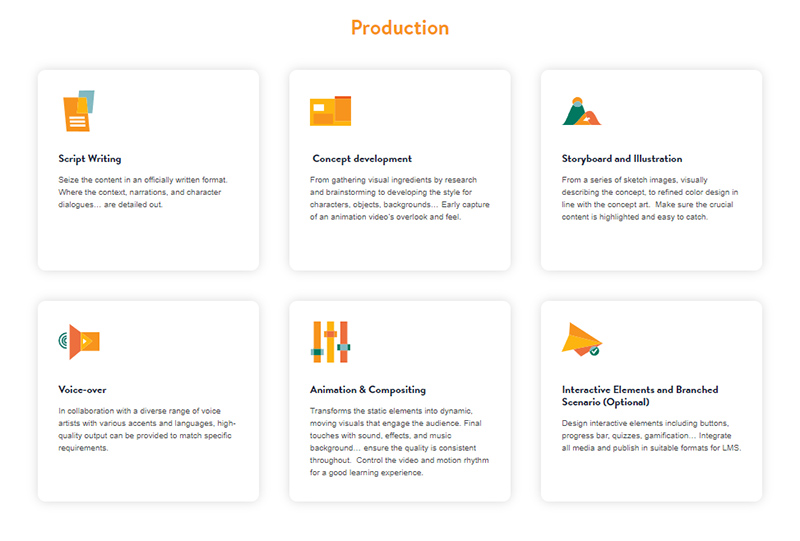
Our production process keeps messaging clear and aligned with healthcare communication standards at every stage.
Case Study: Colorectal Awareness Month with Dr. Manish Chand
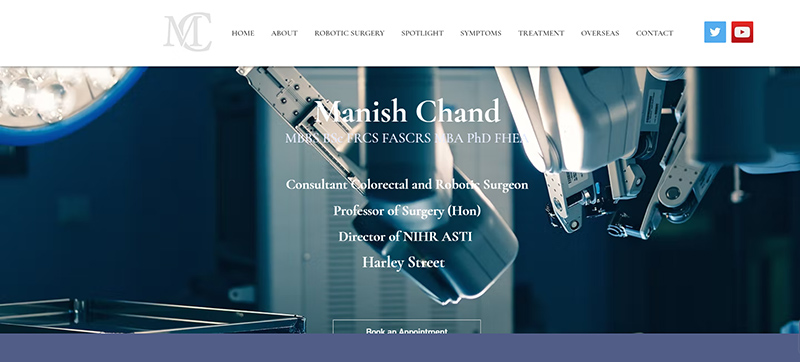
Dr. Manish Chand, a consultant surgeon with a strong public profile, worked with F. Learning Studio on an animated video about colorectal cancer, shown earlier in this article. It was a central part of his Colorectal Awareness Month campaign and aimed to help patients understand their treatment options.
- Challenge: explain sensitive symptoms and treatment clearly, on a fixed deadline for March.
- Approach: close collaboration with Dr. Chand on the script, then flat 2D animation with warm colours to reduce unease around the topic.
- Result: delivered on schedule for the campaign, with positive feedback from patients and stronger personal branding for Dr. Chand.
Where to Start
Pick the type that matches your goal: testimonials for trust, education for understanding, promotional for action, and professional content for clinician credibility. Then plan one story, one emotion, one ask, and the consent and review steps before filming or animation begins.
Have a campaign deadline coming up?
Tell us the message, the audience, and the date it needs to launch. In 30 minutes you will get a format recommendation, a scoped figure, and a schedule that includes review. If you would rather see it first, we will animate a short sample of your topic at no cost.
Producing healthcare animation since 2016 · 5.0 rating on Clutch · Trusted by the NHS, IntelyCare and SimpleNursing
- Email: [email protected]
- Fanpage: https://www.facebook.com/f.learningstudio
- LinkedIn: https://www.linkedin.com/company/f-learning-studio/
FAQs About Healthcare Video Marketing
What are the main types of healthcare video marketing?
Four types cover most campaigns: patient testimonials to build trust, educational content to explain conditions and treatments, promotional and fundraising videos to prompt action, and professional education such as CME to build credibility with clinicians.
What makes a healthcare marketing video effective?
The strongest examples lead with people rather than procedures, carry one emotion or metaphor, make a specific ask such as booking or donating, and are timed to moments when the audience is already paying attention, such as awareness months.
Do patient testimonial videos need consent?
Yes. Testimonials need documented consent from the patient, and in the US, using patient health information in marketing generally requires written authorization under HIPAA. Plan consent before filming rather than after.
How long should a healthcare marketing video be?
For marketing, aim to deliver the core message within one to two minutes. Educational content can run longer, but it works better split into short modules that each cover one idea.
How do you measure healthcare video marketing success?
Track audience retention to see where viewers drop off, engagement for awareness campaigns, conversion rate for bookings or sign-ups, audience feedback for understanding, and return on investment by comparing production cost with the actions the video drove.
Is animation or live-action better for healthcare marketing?
Live-action suits testimonials and anything where real people prove the point. Animation suits explaining conditions, treatments, and services, handling sensitive topics gently, and content that needs regular updates, because scenes can be revised without reshooting.
Read more:
- Women’s Health Marketing: A Quick Guide for Successful Campaigns
- 8 Effective Ways to Improve Communication in Healthcare
- 9 Best Healthcare Animation Companies in New York

Sean Bui, the founder and creative director of F. Learning Studio, is a respected leader in the e-learning and multimedia production industry.
With over 10 years of experience, he has dedicated his career to helping organizations create engaging and impactful learning experiences. Under his leadership, F.Learning Studio has grown into a trusted partner for organizations in the education, healthcare, and corporate training sectors, producing over 2,000 minutes of educational animation.
Sean’s expertise in translating complex concepts into compelling animated videos and interactive learning experiences, as well as his active involvement in the e-learning community, have earned him a reputation as a trusted partner and thought leader in the field of educational technology.