
Clinical education animation for the patient who doesn't match the protocol
You’ll talk to a learning designer about one protocol and the patients it doesn’t quite fit.
We create scenario-based learning media that helps healthcare professionals understand the clinical logic behind each protocol, so they can apply it to the patient in front of them, not only to the case in the training.
Built for clinical educators, nurse educators, and healthcare training providers preparing staff for patients who don’t fit the textbook.






Staff can run the protocol. The patient in front of them isn't the one it was written for
Healthcare organizations already provide training: clinical inductions, protocol walkthroughs, LMS modules, assessments, and hands-on supervision.
But clinical knowledge is tested at the bedside, on patients whose presentations don’t match the training scenario. Staff who know every step can still hesitate when a patient is on three other medications, or when readings sit just outside the pattern they were taught.
Among older adults in the United States, 44 percent now take five or more medications at the same time. Among adults with heart disease, it’s 62 percent. (NHANES 1999 to 2018, Global Health Research and Policy, 2023) The patient taking only the drug in the protocol is the exception, not the rule.
The gap isn’t between knowing and not knowing the protocol. It’s between the typical patient the protocol describes and the atypical ones staff actually meet.
What staff are still unsure about after completing training
- Why each step in a protocol matters, not just what it is
- How to apply correct procedure when a presentation doesn't match the training
- Which edge cases they're most likely to meet
- Where the protocol expects judgment rather than a fixed sequence
What clinical education has to do, and whether an LMS module, supervised practice, or a simulation lab delivers it
The goal isn’t completing the module. It’s a clinician applying the protocol correctly to a patient the module never showed them.
| F.Learning the reasoning behind the protocol, made visible | The protocol document | An LMS module | Supervised practice or preceptorship | A simulation lab | |
|---|---|---|---|---|---|
| Explains the reason behind each step? | Strong: each step with what it protects against | Weak: states the step, not the reason | Partly: covers the steps briefly | Partly: depends on the preceptor | Strong: usually in the debrief |
| Prepares for the atypical patient? | Strong: scenarios from the cases your staff actually meet | Weak: no | Weak: rarely | Strong: real patients, real variation, one preceptor at a time | Strong: rehearsed under pressure |
| Same standard on every ward? | Strong: one reference, every shift | Strong: consistent as a record | Strong: consistent | Weak: varies with the preceptor | Partly: varies with the facilitator |
| Available at the point of care? | Strong: built as a ward reference | Strong: the authoritative record | Weak: no | Partly: only while the preceptor is there | Weak: no |
| Cost per clinician? | Partly: high upfront, flat afterwards | Strong: already written | Strong: lowest per seat | Weak: an experienced clinician's time | Weak: highest |
| Best when | many staff, one protocol, and variation is costly | you need the authoritative written record | a mandatory topic has to be covered and tracked | a new starter needs real patients | the skill is physical and needs rehearsal |
👈 Swipe horizontally to view full table 👉
In short: Simulation and good preceptorship build clinical judgment better than any media, at the highest cost per clinician. The protocol document stays the record. An LMS module is the cheapest way to cover a mandatory topic. F.Learning is strongest at the reasoning staff need when the patient in front of them doesn’t match the protocol.
Where this isn’t the right answer
Simulation and good preceptorship build clinical judgment better than any media can, and we design around them rather than in place of them.
This work earns its cost when many staff run the same protocol and the variation between them is already showing up in practice.
What F.Learning does that a course provider usually What F.Learning designs for: the patient who doesn't match the protocol
A protocol is written for the typical patient. Clinical staff rarely meet one. They meet the patient on three other medications, the one whose readings don’t fit the pattern, the presentation that’s almost textbook but not quite.
Training that shows the correct sequence prepares staff for the case the protocol describes. What they need is the reasoning behind each step, clearly enough to adapt it when the patient in front of them isn’t the one in the training.
So we build around that reasoning: why this check comes before that dose, what each step is protecting against, and where the protocol expects clinical judgment rather than a fixed sequence.
The protocol covers the first box well. Staff spend most of their shifts in the other two.
Selected example
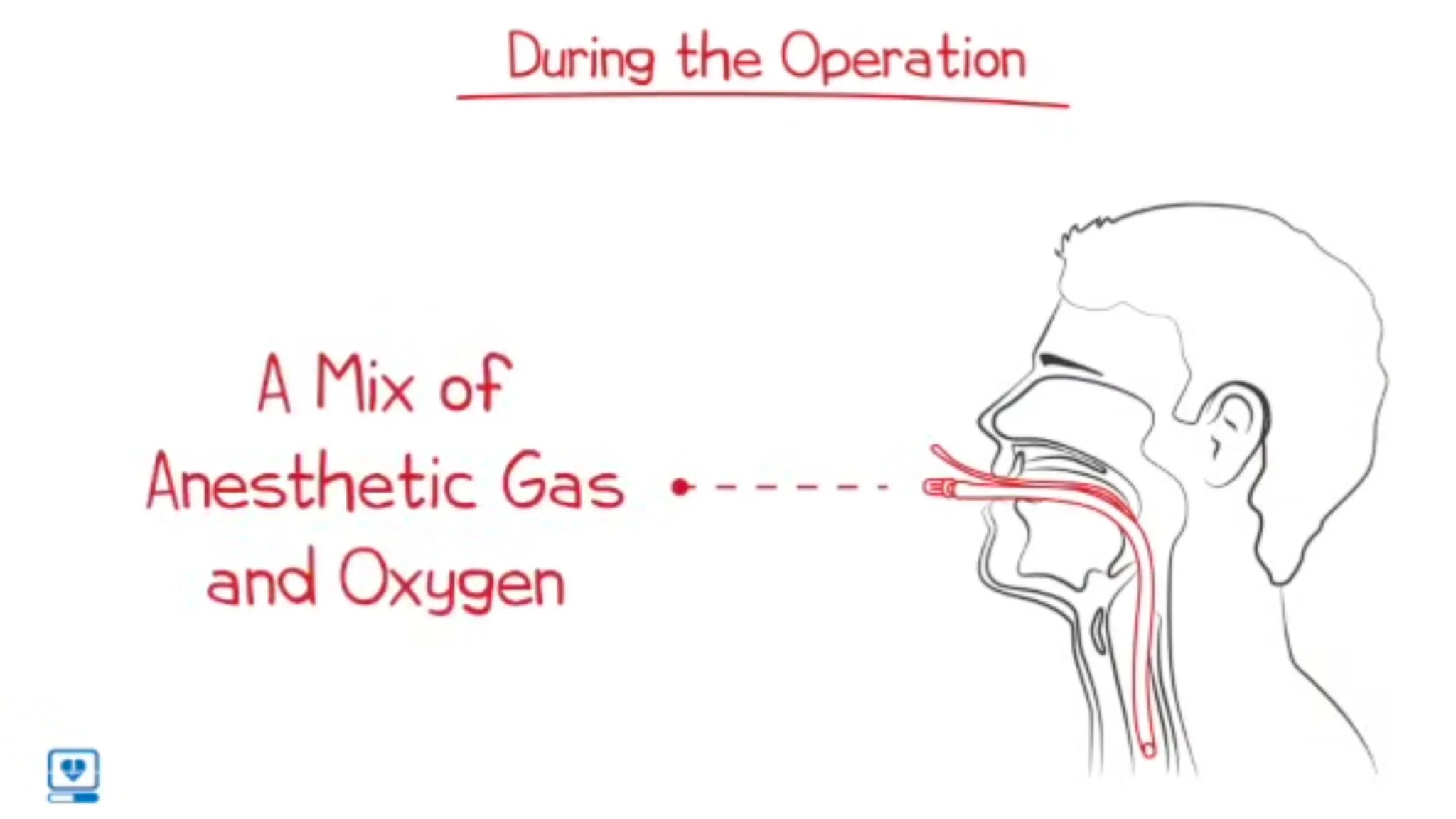
iCareBetter: endometriosis care: explaining general anesthesia before surgery
For patients preparing for endometriosis excision surgery, general anesthesia can feel like a black box and become a source of fear before the procedure.
We created a short medical explainer that walks patients through what happens before, during, and after general anesthesia, turning an unfamiliar clinical process into a clear sequence they can follow.
Result
The video has reached more than 43,000 viewers, giving patients an accessible way to understand what happens under general anesthesia before surgery and what to expect around the procedure. They also described the explanation as “nicely explained” and “short but good”
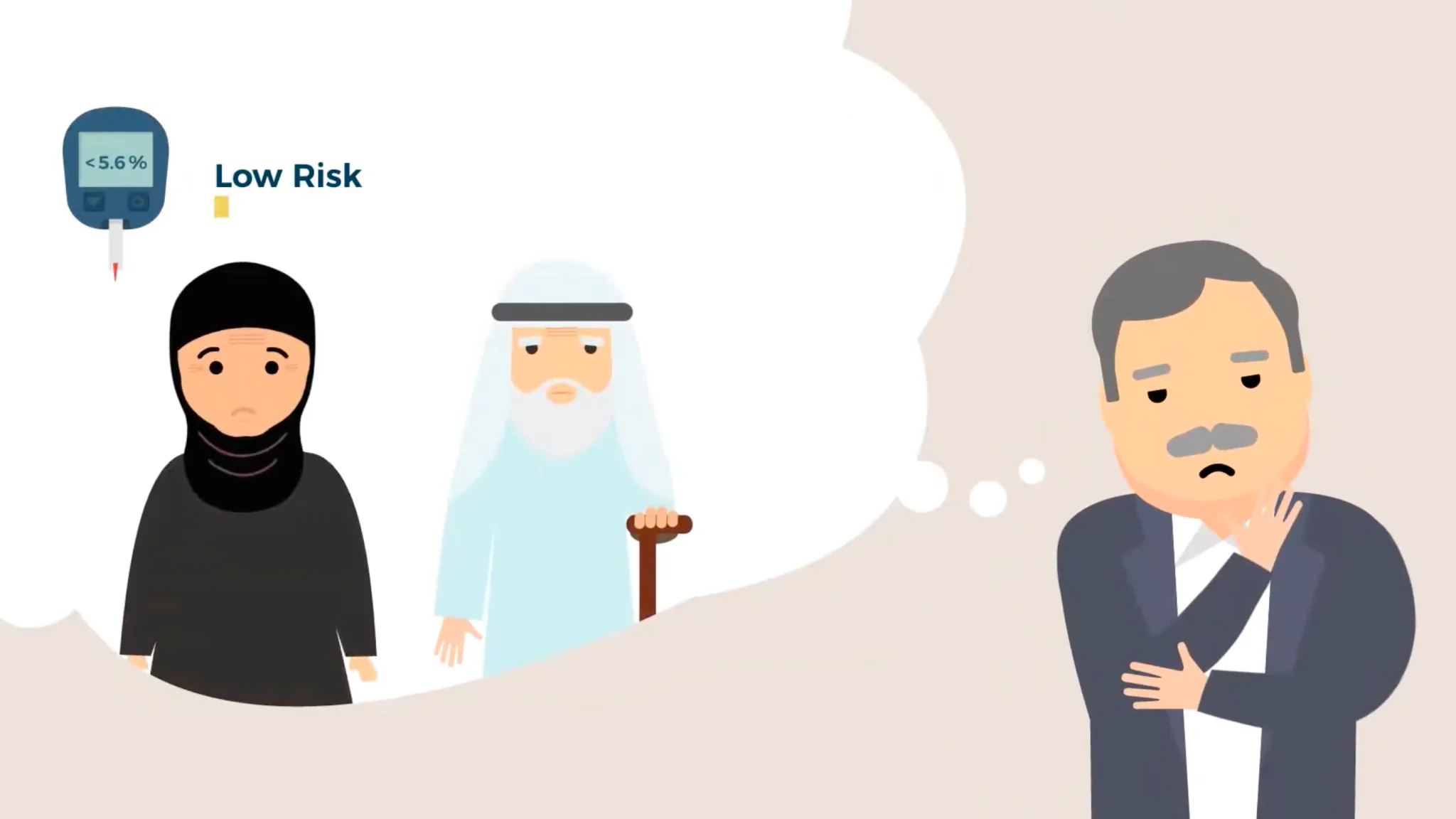
iHEED: visual production support for an ongoing medical education portfolio
iHEED develops online medical education for healthcare professionals and needs a steady flow of visual assets as new courses and learning needs emerge.
We worked as an extension of their production team, creating animation and video assets to fit into courses iHEED was already designing and managing, following the existing medical content, learning structure, and production standards.
- Flexible animation and video support across an ongoing course portfolio
- Visual assets designed to slot into existing medical learning programmes
Result
iHEED gained additional production capacity it could draw on as course needs emerged, without handing over ownership of the medical content or learning design. The result was a more flexible way to add visual explanation to its programmes while keeping the wider course structure consistent.
Where this applies
- Clinical onboarding: New staff, role transitions, and rotating or float staff.
- Procedure & protocol: New procedures and protocol updates.
- Devices & new technology: New devices and platforms across patient presentations.
- Handoffs: Workflows that cross roles, shifts, and departments.
- Workplace collaboration: Cross-functional work and the friction that comes with it.
Specific applications in each area
- Onboarding: clinical induction, ward orientation, role-specific onboarding
- Protocol: new procedures, protocol updates, multi-step clinical workflows
- Devices: clinical device introduction, technology integration for non-specialist staff
- Handoffs: care coordination, handoff protocols, cross-functional workflows
What we build, & when
Formats are chosen by the specific gap: visibility, judgment, or reference.
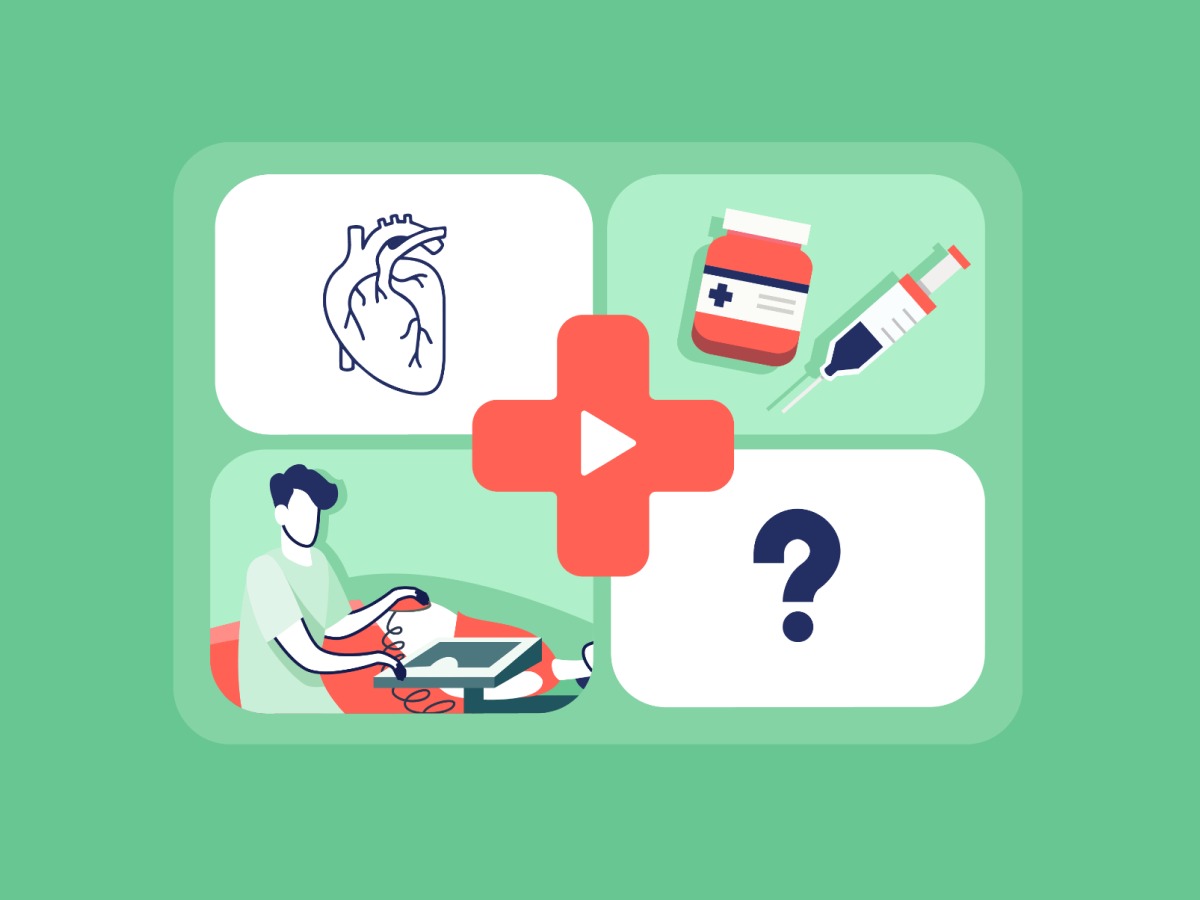
Medical & healthcare training animation
Used when clinical teams need to see a procedure, or the mechanism behind a step is invisible and hard to explain in a document.
Scenario-based clinical learning
Used when the goal is judgment on cases the protocol doesn’t describe cleanly.
Visual clinical reference materials
Used when staff need the correct information during real work, not only in training.
How F.Learning builds it: four steps, 6 to 10 weeks, starting from the cases that don't fit
Step 1
Find where the protocol stops fitting the patient
With your clinical educators, we identify the presentations and edge cases where staff most often hesitate or improvise.
Step 2
Make the clinical logic visible
Each step is structured around what it protects against, so the reasoning survives when the sequence has to adapt.
Step 3
Build scenarios from real variation
Scenarios come from the atypical cases staff actually meet, not from the textbook example.
Step 4
Produce, with two separate reviews
Your clinical team reviews for accuracy. We review separately for whether the reasoning is still clear.
Clinical sign-off sits with your team.
Related insight
More on clinical education:




Related services & solutions
Related Training Solutions
Related Services
Frequently asked questions
What types of professional healthcare education does F.Learning support?
Who signs off on clinical accuracy?
How does this fit with simulation training?
Can assets be integrated into our LMS?
Yes. We can prepare deliverables for common LMS and healthcare learning environments, including platforms such as Moodle and packaging formats such as SCORM 1.2 and SCORM 2004.
We can also support delivery through hospital intranets or standalone formats, depending on how your team plans to distribute and track the content.
How long does a project take?

Pick one protocol where your educators see the most hesitation. We'll map the cases it doesn't fit, before anyone talks about production.
30 minutes with a learning designer. No deck required.