
Product explainer animation built around the one thing buyers need to repeat
You’ll talk to a learning designer about one product and the one claim buyers should leave with.





Most explainers aren't too complex. They have too many main points
Most products aren’t hard to explain because they’re technically complex. They become hard to explain when the explanation was built around the product, what it does and what it has, rather than around the audience and the decision they need to make.
A well-produced explainer that answers the wrong questions doesn’t move buyers forward. It informs without activating.
Gartner puts the typical buying group for a complex B2B purchase at six to ten people, each gathering their own information. (Gartner) Most of them never see your explainer. They hear about your product second-hand, from someone who saw it once.
The most common explainer failure isn’t a production problem. It’s a message hierarchy problem.
What buyers are still unsure about after watching a typical explainer
- What problem this product actually solves for someone in their situation
- Why this approach is better than the alternatives they're already aware of
- What would change for them specifically if they adopted it
- What the obvious next step is, and why they should take it now
What an explainer has to do, and whether a sales call, a one-pager, or a product tour delivers it
The goal isn’t to communicate everything. It’s to help the audience understand enough to make the next decision confidently, and to pass that understanding on.
How product explainer options compare: what each one is strong at, and when to choose it.
| F.Learning one claim, built to be retold | A sales call or live demo | A one-pager or feature page | A product tour or screen recording | A slide deck | |
|---|---|---|---|---|---|
| Frames the problem in their terms? | Strong: built around the buyer's decision | Strong: a rep adapts to the person | Partly: states it, rarely tailored | Weak: starts from the product | Partly: depends who presents |
| Separates you from the alternatives? | Strong: one of the few messages allowed in | Strong: strong, if the rep knows that competitor | Partly: a table buyers skim | Weak: rarely | Weak: the slide everyone skips |
| Survives being retold by someone else? | Strong: one claim, built to survive a one-sentence retelling | Partly: only what the buyer remembers | Strong: it can simply be forwarded | Weak: nobody retells a tour | Partly: forwardable, but without the voiceover that made it land |
| Works with no salesperson present? | Strong: holds on web, sales and events | Weak: no | Strong: yes | Strong: yes | Partly: rarely |
| Cost per buyer reached? | Partly: high upfront, near zero after | Weak: highest per buyer by far | Strong: lowest | Strong: low | Strong: low |
| Best when | several people decide and only one sees it | a named account with a dedicated rep | buyers are comparing specifications | the product sells itself once opened | you are presenting to a room |
👈 Swipe horizontally to view full table 👉
In short: A rep adapts better than any video for one named account, and costs the most per buyer. A one-pager is the cheapest thing that can be forwarded. F.Learning is strongest when the person who watches has to explain your product again, from memory, to someone who didn’t.
Where this isn’t the right answer
If you sell to a small number of large accounts, each with a dedicated rep, a well-prepared live demo will outperform any video.
This work earns its cost when the same explanation has to reach many buyers, or survive being passed around inside one buying committee.
What F.Learning settles before anyone writes a script
Most B2B buyers don’t decide alone. The person who watched your explainer has to explain it again, from memory, to someone who didn’t. That retelling is where most explainers fail, because a video with five equally important messages comes back as a vague sentence with none of them in it.
So before any script, we settle one thing with your team: the single claim a buyer should be able to repeat in one sentence to their manager. Everything else in the video is either evidence for that claim, or it’s cut.
We design this first
Five equal messages
None of them leads
Buyer watch once
Retells it to their manager
from memory
One vague sentence survives
Where F.Learning designs
What happens by default
The cost
The explainer isn’t judged when it’s watched. It’s judged when it’s retold.
Selected example
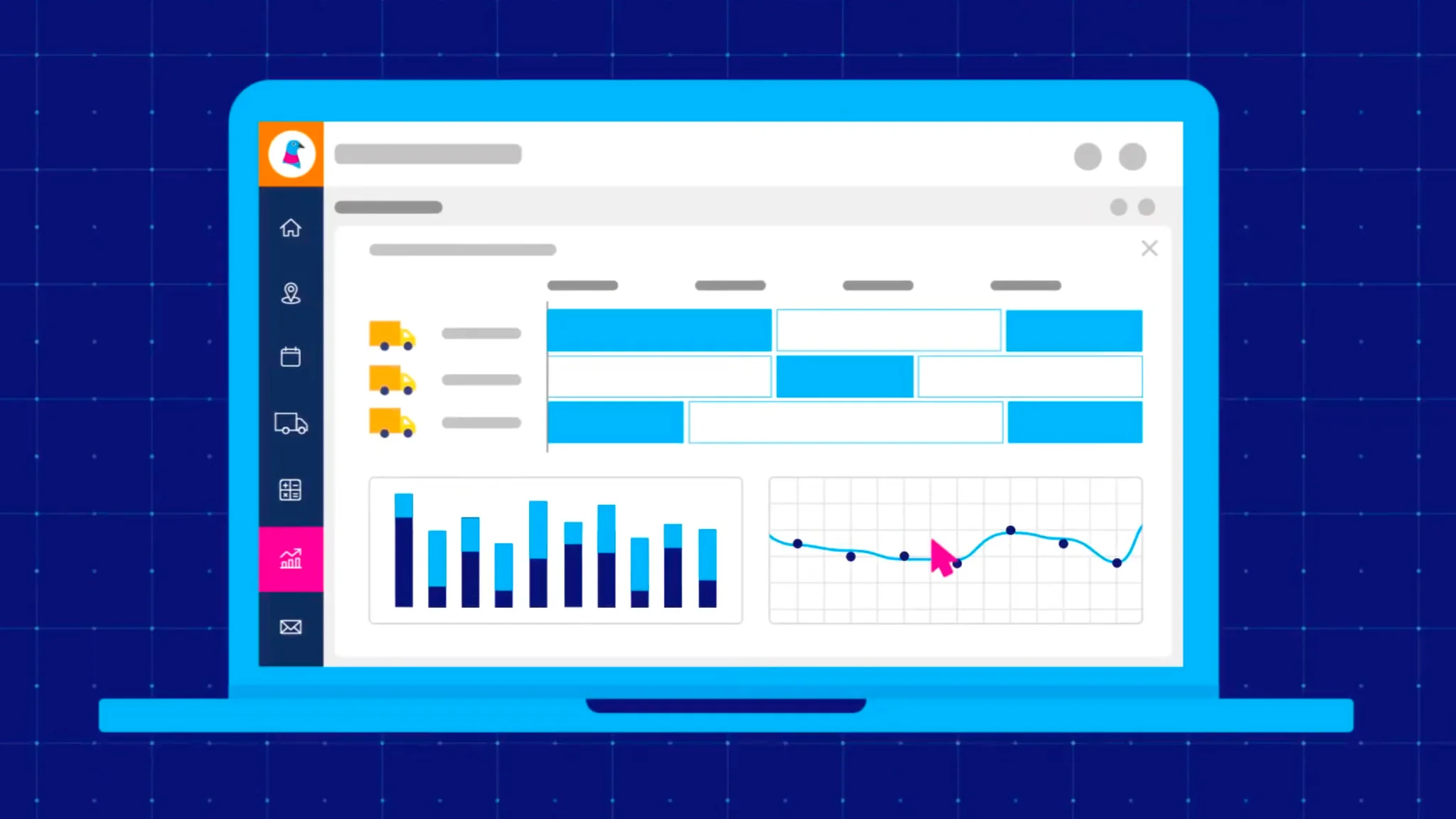
Fleet planning software: a bilingual product explainer for buyers and investors
A logistics startup needed a concise explainer to introduce their fleet planning software to both fleet teams and investors, making the product feel real and usable without requiring a demo. Bilingual delivery was needed across English and Italian-speaking markets.
We developed a one-minute explainer showing the day-to-day planning problem fleet teams face, how the software supports smarter planning decisions, and a platform walkthrough that made the product tangible without a live demo.
Scope
- One-minute explainer in English and Italian
- One asset reused across sales, investor, and web channels
Result
The explainer gave the startup a concise way to introduce the product before a live demo, helping fleet teams and investors quickly understand the problem it solves, how it works, and what using the platform looks like.
With English and Italian versions, the same core story could also be used consistently across the website, sales conversations, and investor communications in both markets.
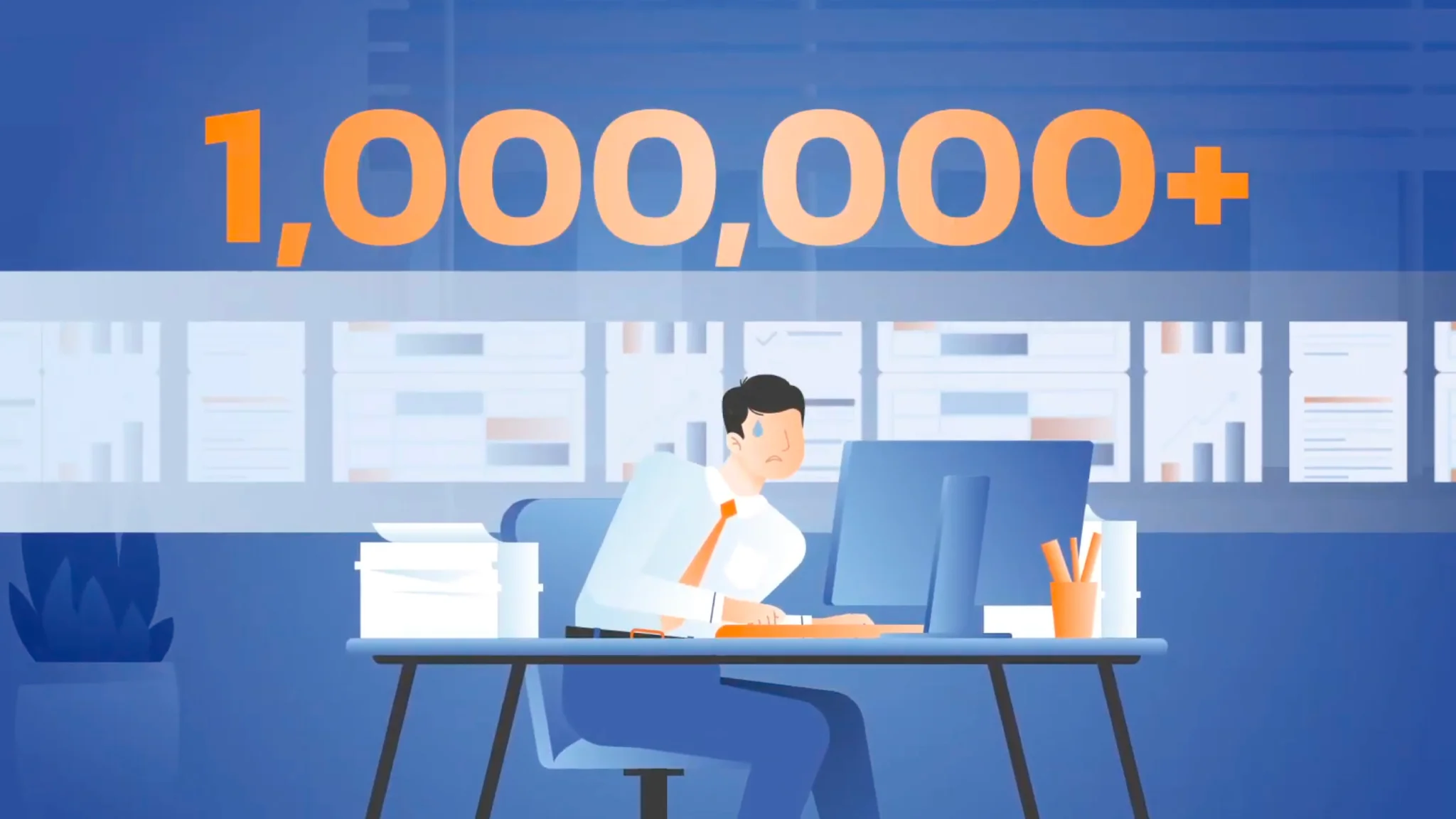
Personaify: turning a complex AI platform into a simple product story
An AI data and document platform needed to explain a product that does several technically complex things – ingesting, extracting, processing, searching, and answering from data – without overwhelming potential customers with a list of features.
We helped tighten the script and turned the product into a short 2D animated story, moving from the problem users face to how Personaify solves it, while keeping the platform’s core capabilities clear and connected.
Result
Personaify gained one concise product story that could introduce the platform without requiring audiences to understand the underlying AI and data infrastructure first.
Instead of presenting ingestion, extraction, processing, search, and answer as separate technical features, the explainer connected them into a single workflow – helping potential customers understand what the platform does, how the pieces work together, and why they matter before moving deeper into the product.
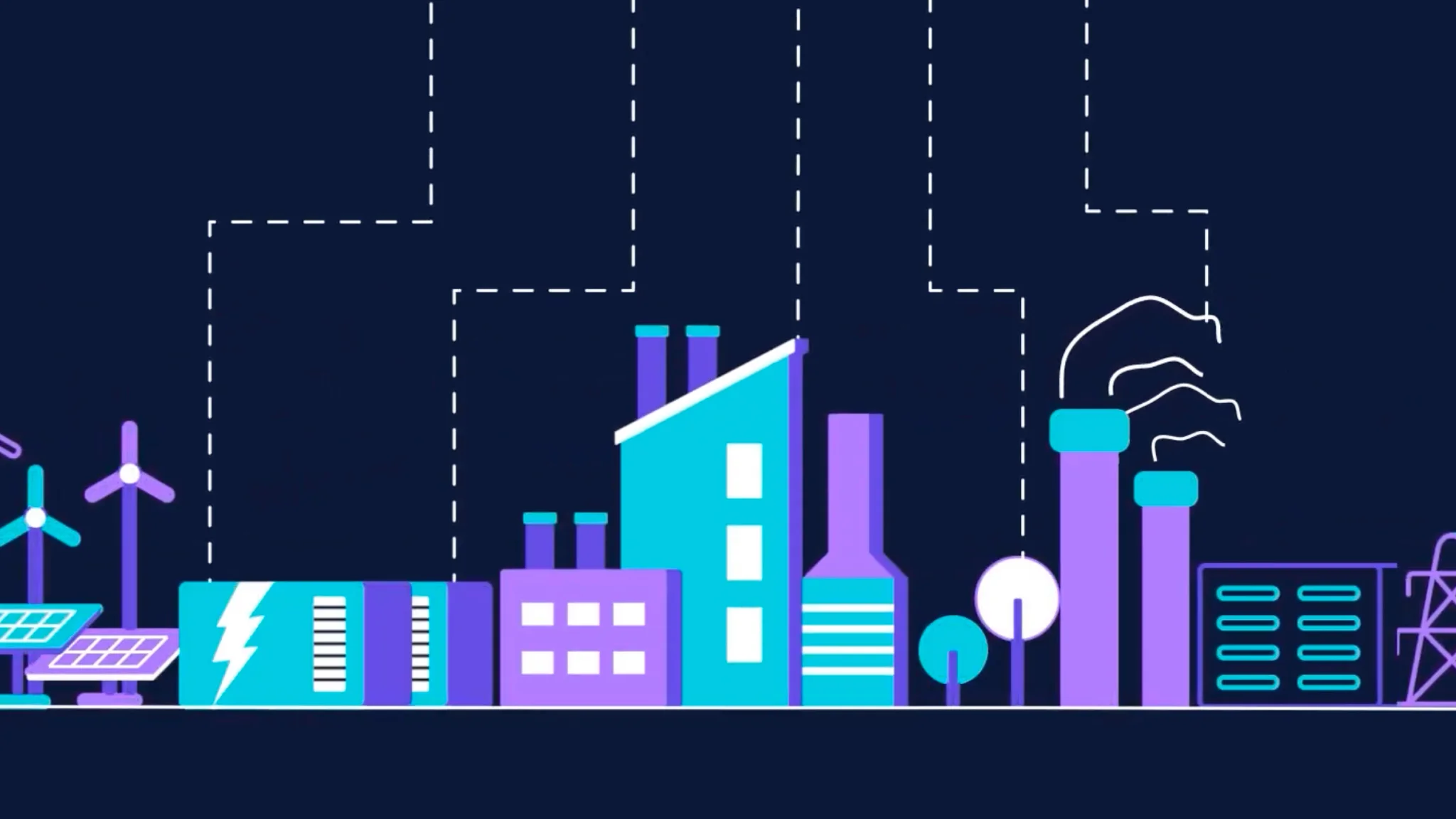
MODO: making energy data easier to understand
MODO helps energy teams manage complex data and turn it into clear, usable insight. The challenge was communicating that value without getting lost in the technical detail behind the platform.
We created an animated product explainer that showed how MODO brings energy data together and helps users move from complex information to clearer insight and decisions.
Result
MODO gained a clear visual story for introducing its platform and making a data-heavy product easier for potential customers to understand.
How F.Learning builds it: four steps, 4 to 8 weeks, message hierarchy first
Step 1
Understand the audience's decision, not the product's features
We begin with what the audience needs to believe before they’re willing to take the next step.
What this step covers
- Existing assumptions
- Common objections
- Knowledge gaps
- Decision criteria
- Required confidence levels
Step 2
Establish the message hierarchy
Most product briefs contain several ideas competing for attention. We work with stakeholders to decide which one leads.
What this step covers
- The primary claim
- Supporting messages
- Differentiators
- Evidence requirements
- Information that can be removed
Step 3
Build the narrative sequence
Explanations are structured around how buyers decide, not how product teams describe products.
What this step covers
- Problem recognition
- Solution logic
- Differentiation
- Proof
- Next-step guidance
Step 4
Design for multi-channel consistency and team reuse
The same core explanation has to work on the website, in sales conversations, in presentations, and at events, while adapting to each format.
Where buyers are getting stuck, and what to build for each case
Different explanation problems need different approaches.
When buyers struggle to understand the value
Content structuring (Content Structuring) | Explainer animation (Explainer & Product Animation) | Visual explanation systems (Documents & Graphic Design)
Best suited for complex offerings, unclear positioning, crowded markets, and feature-heavy products.
When buyers struggle to understand how the product works
Explainer animation (Explainer & Product Animation) | Motion graphics (Motion graphic) | Product visualization (3D Animation)
Best suited for software products, technical systems, and process-driven offerings.
When buyers need to explore before deciding
Interactive walkthroughs | Guided product experiences (Interactive Learning Design) (Explainer & Product Animation)
Best suited for software platforms, digital products, and self-directed exploration.
When teams need messaging consistency across channels
Sales visuals (Documents & Graphic Design) | Supporting communication assets (Explainer & Product Animation)
Best suited for organizations aligning product, sales, marketing, and customer success around one shared explanation.
Related insight
More on public communication




Related services & solutions
Related Training Solutions
Related Services
Frequently asked questions
What types of product and service communication does F.Learning support?
How do you handle products with many features that all feel important?
How is this different from a standard explainer video production company?
How long does a product explainer project typically take?
What does an explainer project cost?
A typical 60-90 second custom explainer video costs around 3,000-15,000 per video, depending on animation style, visual complexity, and how much strategy, scripting, or product visualization is required.
Simple 2D or motion-graphics explainers sit toward the lower end, while highly customized character animation, detailed product interfaces, or 3D work can cost more.
For a budget based on your specific project, use our Animation Cost Calculator for an initial estimate.
Who owns the files, and can we adapt them later?
You own the final video or project delivered to you and can use it as agreed for your organization.
The underlying production assets – such as artwork, illustrations, storyboards, audio assets, and editable working files – remain the intellectual property of F.Learning Studio. If you’d like the source files so your team can make future updates or adaptations, they can be included for an additional 10-30% of the project fee, depending on the files required.
We’ll confirm what’s included before production begins, so ownership and handover are clear from the start.

Pick one product where your sales team hears the same confusion in every call. We'll find the one claim buyers should leave with, before anyone talks about production.
30 minutes with a learning designer. No deck required.