
Another email. Another campaign. Another ‘please give.
If that sounds familiar, you’re not alone. Donor fatigue is real, and worse, it’s silent. Open rates drop, giving plateaus, and you’re left wondering if your message still matters. The truth? Generic appeals are draining your cause of its most valuable currency: emotional connection. Donor engagement through storytelling offers a way out, but only if used with strategy, not sentimentality.
In this article, you’ll learn 4 storytelling frameworks and 9 proven strategies to turn donor interest into long-term commitment. It also covers how visual storytelling, especially through animation and design, can transform complex missions into clear, emotionally resonant donor experiences.
Why You Should Use Storytelling to Increase Donor Engagement
Before choosing the right story or format, it’s important to understand why storytelling works so well in fundraising. Here’s what you can achieve if you leverage the power of storytelling:
- Builds emotional connection: Stories tap into empathy, helping donors see themselves in the lives of those you serve.
- Shifts focus from “what” to “why”: Instead of listing activities, storytelling highlights the deeper purpose behind your mission.
- Enhances trust and transparency: Real, specific narratives show donors where their money goes and who it helps.
- Encourages long-term support: When donors feel emotionally invested in a story, they’re more likely to stay engaged over time.
- Drives action and sharing: Stories are memorable and shareable, turning passive interest into donations, advocacy, and word-of-mouth reach.
Storytelling Frameworks for Better Donor Engagement
Without structure, even heartfelt messages can fall flat. Below are the 4 proven storytelling frameworks that help you shape narratives with emotional momentum and clarity – frameworks designed to move donors from passive readers to active supporters.
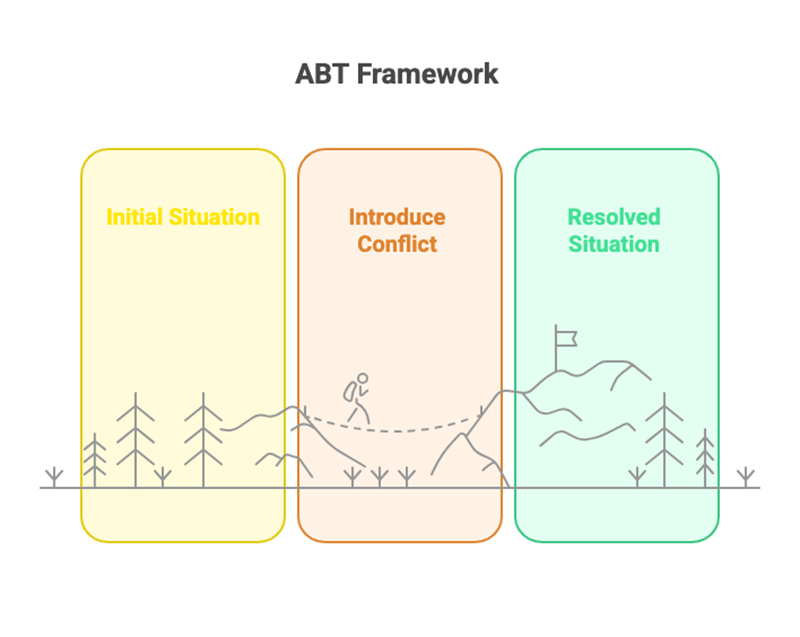
1. ABT Framework: “And – But – Therefore”
This framework, popularized by screenwriters and scientists alike, offers a concise way to create narrative tension and resolution.
You start with a fact or situation (And), introduce a challenge or conflict (But), and finish with a resolution or change (Therefore).
This format is ideal for quick appeal emails, campaign intros, or social media captions that need to deliver emotional weight fast.
Example:
For generations, the Koro River was the heart of the community, providing water for crops and a place for families to gather. But when industrial pollution turned it toxic, children began falling gravely ill. Therefore, we installed three community-wide filtration systems, restoring access to safe, clean water and securing the health of their future.
2. The Hero’s Journey – Donor as the Catalyst
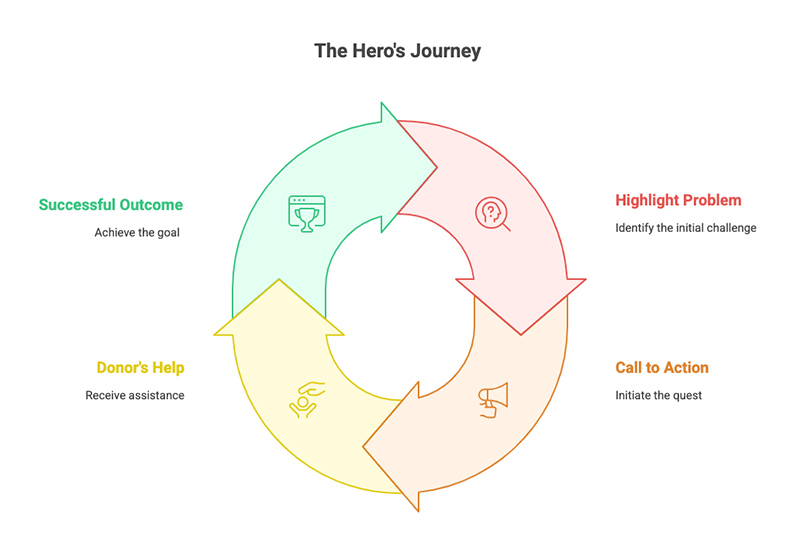
Adapted from mythic storytelling, the hero’s journey positions your beneficiary as the “hero” and your donor as the “guide” or “helper” who enables their transformation.
You highlight a problem, a call to action, a moment of help (from the donor), and a successful outcome.
It works best for video campaigns or major gift appeals, where emotional investment and transformation take center stage.
Example:
“When Maria lost access to her diabetes medication after a storm destroyed her clinic, she felt hopeless. But thanks to donors like you, mobile medical units arrived within days. Today, she’s managing her condition and mentoring others in her village.”
3. Before – After – Bridge
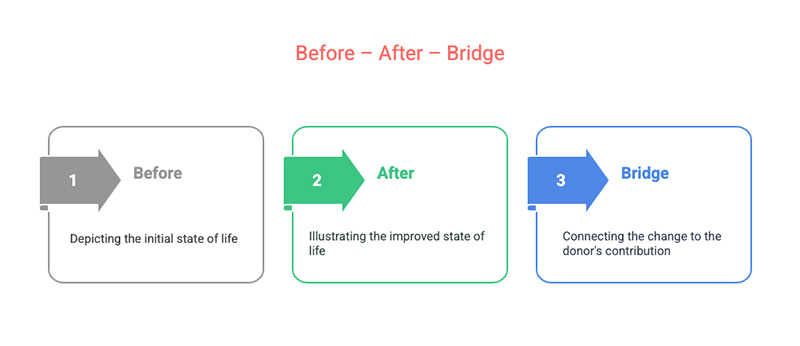
This classic copywriting structure is straightforward and effective: show what life was like before, what it’s like after, and bridge the change directly to the donor’s contribution. Short and punchy, it’s the go-to choice for thank-you emails, donor spotlights, and quick video testimonials.
Example:
“Before: Ahmed walked 3 hours a day for clean water.
After: A nearby well means he now spends that time in school.
Bridge: Your gift made this possible.”
4. PAS: Problem – Agitation – Solution
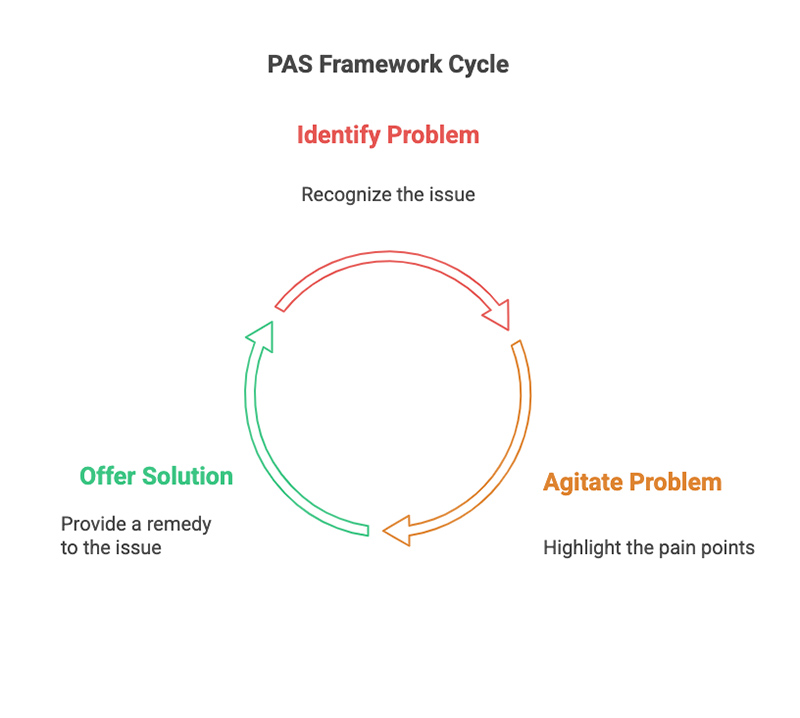
PAS is a persuasive storytelling structure that first presents the problem, intensifies the emotional agitation around it, and then delivers the solution – your program, made possible by donor support.
Use PAS when you need to create a sense of urgency, especially in campaign launches, end-of-year appeals, or landing page copy.
Example:
“Hundreds of families were drinking unsafe water. Their children were getting sick, missing school, and facing long-term health risks. But with your help, a new water system now serves the entire village – and health clinic visits have dropped by 70%.”
9 Storytelling Strategies for Donor Engagement You Should Try
A compelling story is only the beginning. How you find, manage, and deliver that story determines whether it truly connects. Here, we’ll walk through nine practical strategies that turn storytelling from a creative task into a repeatable system for donor engagement.
Discover stories already around you
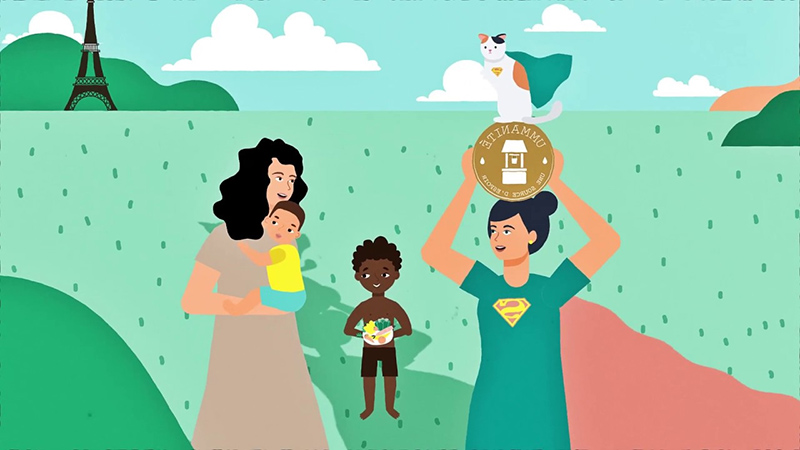
You don’t need to invent powerful stories, you just need to recognize them. Start by talking to program staff, volunteers, and frontline workers. They’re closest to the action and often witness real, moving moments that don’t make it into reports.
Look for small transformations: a child who learned to read, a parent who started a business, or a village celebrating clean water. These stories feel real because they are real. Instead of hunting for “perfect” narratives, focus on honest ones that reveal hope, resilience, or change.
Build a story collection system
Without a system, you’ll always be scrambling for stories at the last minute. Design a lightweight, repeatable process for gathering stories year-round. Create a short template with questions like: “What happened?”, “Who was impacted?”, “What changed?”, and “What did donor support make possible?”
Assign a staff lead in each program area to collect 1–2 stories per quarter. Use folders or a simple Google Form to organize story leads, photos, and consents. This helps you build a living archive of narratives, so when campaign time comes, you’re not starting from scratch.
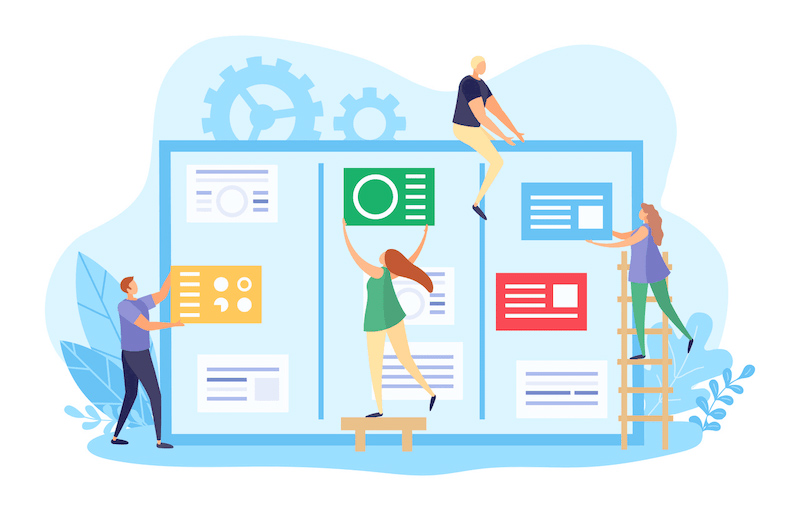
Develop a content calendar for storytelling
Treat storytelling like a campaign asset, not an afterthought. Build it into your annual communication calendar alongside appeals, events, and donor stewardship touchpoints. Plan ahead: which stories align with Giving Tuesday, year-end appeals, donor anniversaries, or international awareness days? Mapping this in advance helps ensure consistency and avoids overusing the same story across all channels.

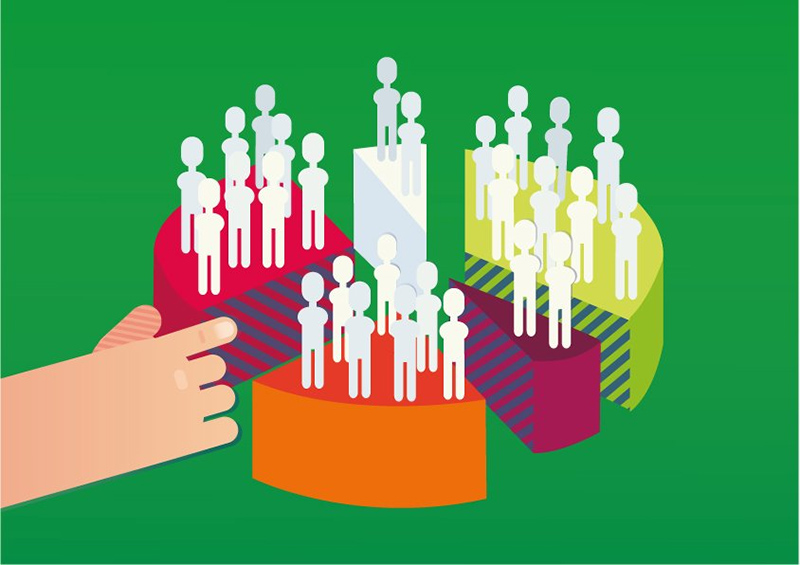
Match story types to donor segments
Different donors respond to different types of stories. A millennial monthly donor might prefer short, visual updates through Instagram, while a major donor may want in-depth narratives with data and long-term impact. New donors may connect with personal origin stories, while loyal donors might want to see transformation and growth.
This tailored approach shows donors that you respect how they consume information, and it increases the chance they’ll engage, share, and give again.
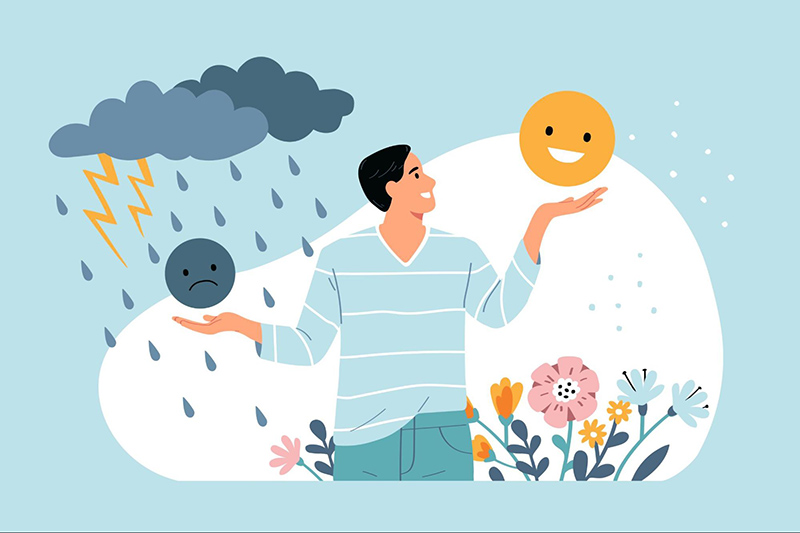
Add emotion without exploitation
Emotion is key, but so is dignity. Avoid framing people as helpless victims or using overly dramatic language just to trigger donations. Instead, center stories on agency and resilience. Let the people you serve speak for themselves through direct quotes, and always get informed consent. When showing hardship, pair it with hope or progress: “This was their challenge, but here’s how they’re overcoming it with your help.”
Use emotionally rich, respectful language and consider cultural sensitivity in your visuals. Ethical storytelling not only builds trust with donors, but it also builds long-term credibility within the communities you serve.
Leverage visual storytelling
In today’s digital landscape, people see before they read. Use animation, photos, and short videos to bring your stories to life, especially when working with complex issues like health, education, or climate. Visuals help donors understand faster and feel deeper.
Animated videos, for instance, can simplify abstract ideas, protect the identity of vulnerable individuals, and create a cohesive, emotionally compelling experience across languages and cultures.

Want guidance on this? Contact us for a FREE consultation on visual storytelling for NGOs.
Tie every story to donor impact
In your story, always show how donor support made a difference: “Because of you…” or “Your gift helped make this possible.” Donors need to see themselves in the story, not as spectators, but as enablers of change. When you highlight their role, you create ownership, pride, and loyalty.
Make this connection explicit in every format, from subject lines to video outros. Even in thank-you pages, reinforce how their support moved the story forward. When donors see the direct link between their gift and a human outcome, they’re more likely to give again – and at higher levels.
Repurpose stories across channels
Don’t let a great story live in just one email. Stretch it. A transformation story can become a donor reel, an Instagram carousel, a website spotlight, and a slide in your annual report. Pull key quotes for social media or short-form videos. Turn written stories into infographics or animations. Repurposing saves time and maximizes reach, especially helpful for lean teams.
Pro tip: Build every story with this in mind: how many formats can we adapt it for? And how can we make each version feel fresh while staying true to the core message?
Measure story performance, not just campaign results
If you’re not tracking how stories perform, you’re flying blind. Go beyond click-through and donation rates. Ask: Which stories got shared the most? Which kept viewers watching longer? Which ones triggered comments or thank-you replies? Use tools like Google Analytics, email A/B tests, social insights, or even short donor surveys.
Tracking helps you learn what kind of storytelling style, format, or emotional tone resonates best. Over time, this feedback loop helps you refine your approach and turn storytelling from art into strategy.

Where to Use Stories in Donor Campaigns
Even the most powerful story won’t work if it’s hidden in the wrong place. If you still don’t know where storytelling can drive the most impact and how to tailor your message to fit each moment in the donor journey, let’s jump to the next part now.
| Where to Use | Best Practices for Storytelling |
| Campaign Landing Pages | Open with a single, emotionally compelling story. Use strong visuals and connect the CTA to the story’s resolution. |
| Fundraising Emails | Keep stories concise and emotionally direct. Use the ABT or Before–After–Bridge framework with a clear link to donate. |
| Social Media Posts | Break stories into short, visual moments. Use quotes, carousels, or short-form videos to maximize engagement and shareability. |
| Donor Thank-You Pages & Receipts | Include a brief “impact snapshot” story that shows what the donor’s gift has made possible. Use donor-centric language (“Because of you…”). |
| Live Events or Webinars | Use stories as opening or closing moments to set the emotional tone. Consider video testimonials or a live speaker with a personal journey. |
| Video Campaigns | Animate or visually narrate complex programs using real beneficiary stories. Focus on clarity, emotion, and donor impact. |
| Impact Reports & Annual Reports | Replace abstract metrics with 1–2 focused stories that humanize the numbers. Use photos, captions, and quotes to increase relatability. |
Bringing Stories to Life: Visual Storytelling with F. Learning Studio
Why Visuals Matter in Donor Engagement
Visuals do more than enhance a story – they make it memorable. In a world flooded with information, animated videos, illustrations, and design elements help your message stand out, especially when donors are scanning, not reading. Visual storytelling taps into emotion faster, simplifies complex issues, and creates a lasting impression that words alone often can’t.
How NGOs Are Using Animation to Tell Real Impact Stories
More NGOs are turning to animation to bridge the gap between information and emotion. Animated storytelling allows organizations to simplify nuanced topics, protect vulnerable identities, and create a consistent, memorable donor experience – all while adapting seamlessly across platforms.
Let’s look at a real example of how animation leverages non-profit storytelling to make a powerful story impossible to ignore.
Case Study: Giving a Voice to Broken Promises
F. Learning Studio × The Story of Stuff Project
When The Story of Stuff Project set out to expose decades of broken sustainability promises by Coca-Cola, they faced a challenge familiar to many NGOs: How to communicate complex environmental injustice in a way that cuts through apathy and sparks outrage – without resorting to heavy-handed messaging?
Our Solution: Visual Storytelling with Impact.
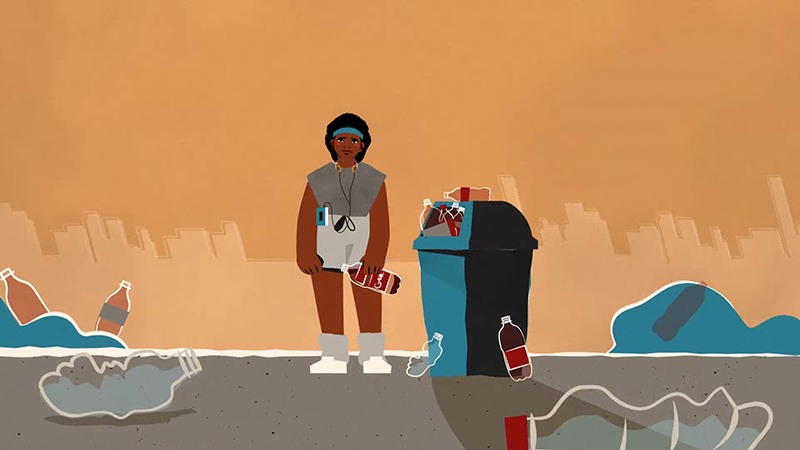
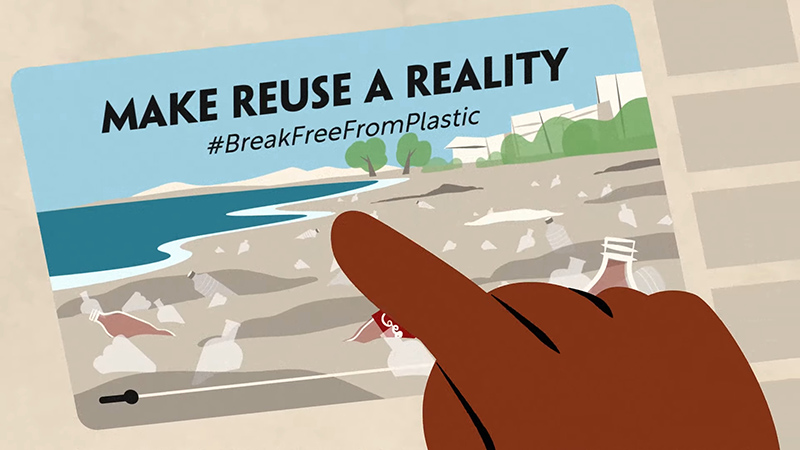
F. Learning Studio created a 2D animated video that follows the emotional journey of a girl who grows up watching Coca-Cola repeat the same empty promises about plastic reduction. As she ages, the world around her evolves, but the pollution problem doesn’t. This visual metaphor, layered with emotionally resonant illustrations and symbolic transitions, helped translate a decades-long issue into a deeply human narrative.
Creative highlights:
- Art concept: The animation style balances visual warmth with urgency, evoking empathy without overwhelming viewers.
- Storyboard narrative: A generational arc shows the passage of time, reinforcing the scale and persistence of corporate inaction.
- Animation execution: Every frame was crafted to drive emotional clarity, ensuring the story was both digestible and shareable on social platforms.
Impact & Results:
- Nearly 10,000 social views (across Facebook and YouTube) within a short time frame
- High engagement, with users commenting, sharing, and amplifying the message – a clear sign that the format and message resonated.
Would you like to explore what animation and visual storytelling could do for your mission? Let’s talk.
What F. Learning Studio Offers to Help You Improve Donor Engagement
When donor engagement is low, it’s not just disheartening – it’s risky. Flat response rates, short donor lifecycles, and messages that barely make it past the inbox can jeopardize your entire mission. But often, the issue isn’t the cause itself – it’s how that cause is communicated.
At F. Learning Studio, we help NGOs transform data-heavy, emotionally distant messaging into visual storytelling that donors feel and act on. Our animated videos are designed to make your impact visible, your mission memorable, and your donors invested for the long term.
Here’s how we help tackle low engagement and turn it around:
Deep experience working with global NGOs
We understand the unique challenges NGOs face when trying to connect with diverse donor bases. Our work with organizations like WWF and The Story of Stuff has helped them drive awareness and action – even on complex, sensitive topics.
Animated videos that break through the noise
Our animated stories simplify complexity and cut straight to the heart of your message, making donors stop scrolling and start caring.
Custom character design that builds emotional connection
We create human-centered characters that reflect your beneficiaries with dignity and relatability – no generic stock visuals, no one-size-fits-all storytelling.
Emotionally driven visuals that turn interest into action
Whether you want donors to give, share, or advocate, we design each frame to build emotional momentum. The goal isn’t just to look good – it’s to move people from passive awareness to real support.

Need a powerful way to bring your mission to life?
Final Thought
Stories move people, not because they’re perfect, but because they’re human. Donor engagement through storytelling allows your mission to become more than numbers or goals; it becomes personal. With the right structure and delivery, your message can make donors feel, not just think. If your story deserves to be seen and felt in a way that drives real change, F. Learning Studio is here to help you bring it to life – beautifully and meaningfully. Contact us to discuss more.
- Email: [email protected]
- Fanpage: https://www.facebook.com/f.learningstudio
- Website: https://flearningstudio.com/
- LinkedIn: https://www.linkedin.com/company/f-learning-studio/

Sean Bui, the founder and creative director of F. Learning Studio, is a respected leader in the e-learning and multimedia production industry.
With over 10 years of experience, he has dedicated his career to helping organizations create engaging and impactful learning experiences. Under his leadership, F.Learning Studio has grown into a trusted partner for organizations in the education, healthcare, and corporate training sectors, producing over 2,000 minutes of educational animation.
Sean’s expertise in translating complex concepts into compelling animated videos and interactive learning experiences, as well as his active involvement in the e-learning community, have earned him a reputation as a trusted partner and thought leader in the field of educational technology.