
In recent years, we’ve seen a digital revolution that has transformed the way we communicate, access information, and make decisions about our health. Social media platforms have emerged as powerful tools, not just organizational social media policies not just for connecting with friends and family, but also for engaging with healthcare providers, learning about health conditions, and participating in health-related discussions.
With the advent of healthcare social media (HSM), patients are no longer passive recipients of healthcare information but active participants in their health journey. The emergence of HSM as a dynamic interface between healthcare providers and patients has revolutionized patient engagement, making it more direct, immediate, and interactive. This digital engagement is crucial in today’s healthcare landscape, where informed patients are at the center of the healthcare delivery model.

I. Benefits of Healthcare Social Media
In the interconnected world of the healthcare industry, social media has become a cornerstone for enhancing patient care and engagement. These digital platforms offer a plethora of advantages that can significantly improve the patient experience and foster a more dynamic healthcare environment. From strengthening community bonds to providing immediate access to health information and support, the benefits of healthcare social media are manifold. In the following sections, we will explore how these platforms not only serve as powerful marketing tools but also act as bridges connecting patients with healthcare providers, ultimately leading to better health outcomes.
A. Healthcare social media marketing improves Patient Engagement
Building communities and fostering online support groups.
Healthcare social media platforms serve as a gathering space for individuals with similar health challenges, allowing them to connect, share experiences, and support each other. This sense of medical community is invaluable for emotional support and information exchange.
Providing educational content and promoting preventative care.
Through informative social media posts and discussions, healthcare providers can educate patients on a wide range of health issues. This empowers patients with knowledge that can lead to preventative measures, reducing the risk of diseases and promoting overall well-being.
Addressing patient concerns and answering questions in a timely manner.
Social media enables healthcare providers to respond quickly to patient inquiries, providing answers and easing concerns. This timely interaction can significantly enhance patient satisfaction and trust in healthcare health and human services throughout.
Encouraging healthy lifestyle habits and promoting wellness initiatives.
Healthcare organizations use active social media presence to encourage positive health behaviors, such as exercise, balanced nutrition, and regular check-ups. Campaigns and challenges can motivate patients to adopt healthier lifestyles and participate in wellness programs.
B. Social media and healthcare marketing enhances Communication and Transparency
Sharing healthcare news, updates, and announcements.
The rapid dissemination of important news and updates through various social media communication channels ensures that patients and the public stay informed about the latest developments in healthcare. This includes new treatment options, changes in healthcare policies, or outbreaks of illnesses. By staying current, patients can make timely and informed decisions about their health.
Humanizing healthcare providers and fostering trust.
Social media provides a unique opportunity for healthcare providers to showcase their human side. By sharing behind-the-scenes glimpses of their work, celebrating team achievements, and acknowledging challenges, they can build a more relatable and trustworthy image. This transparency is key in establishing a strong rapport with patients, who often appreciate seeing the people behind the professional titles.
Facilitating two-way communication between patients and healthcare institutions.
Healthcare social media opens up a dialogue between patients and providers, allowing for an exchange of information that is more conversational and less hierarchical. Patients can voice their opinions, share experiences, and seek advice in a more comfortable and informal setting. This two-way electronic communication also enhances patient experience and can lead to better healthcare outcomes through shared decision-making.
C. Healthcare social media marketing manages Reputation
Responding to patient reviews and feedback.
Healthcare providers can utilize social media to monitor and respond to patient reviews and feedback effectively. This immediate interaction is not only appreciated by patients but also serves as a public testament to the organization’s commitment to patient satisfaction and quality care.
Proactively addressing negative feedback and concerns.
By proactively addressing any negative feedback, healthcare organizations can demonstrate their dedication to continuous improvement and transparency. This approach helps in mitigating issues before they escalate and shows a proactive stance in maintaining high standards of health care professionals everywhere.
Highlighting positive patient experiences and success stories.
Sharing positive patient experiences and success stories can significantly enhance a healthcare provider’s reputation. Celebrating patient victories and testimonials is a potent way of illustrating the impact of their services and can inspire others in their own health care journey.
II. Creating Successful Healthcare Social Media Campaigns

In the realm of Healthcare Social Media (HSM), the creation of successful campaigns is both an art and a science. It involves understanding the nuances of patient engagement, crafting messages that resonate, and navigating the complexities of digital platforms. A successful campaign can significantly amplify the reach of healthcare messages, promote public health initiatives, and foster a deeper connection between healthcare providers and patients. Below, we delve into the strategies and tactics that underpin effective healthcare social media campaigns, from identifying the right audience and platforms to engaging content creation and audience interaction.
A. Identifying Target Audience and Platforms
Understanding patient demographics and preferred social media platforms.
To create a successful healthcare social media campaign, it’s imperative to first understand who the patients are and where they spend their time online. Analyzing patient demographics such as age, gender, location, and even health conditions can provide valuable insights into which social media platforms they are most likely to use.
Whether it’s Facebook, Instagram, Twitter, or LinkedIn, each platform has its own unique user base and best practices for engagement. It’s also crucial to consider the type of content that resonates on each platform – for instance, Instagram’s visually rich environment is ideal for sharing compelling images and stories, while Twitter’s concise format is perfect for quick updates and links to more the social media site’ extensive resources.
Tailoring content and messaging to specific patient groups.
Once the target audience is identified, the next step is to tailor the content and messaging to meet the specific needs and interests of each patient group. This involves creating personalized messages that resonate with patients, addressing their concerns, and providing solutions that they find helpful and relevant.
By customizing content for different segments of the audience, healthcare providers can ensure that their social media campaigns are more effective and engaging. This might include creating content that addresses common misconceptions about health conditions, sharing success stories from patients who have overcome similar challenges, or providing tips for managing chronic diseases. The goal is to create a sense of connection and understanding, making patients feel seen and heard on the platforms they use every day.
B. Content Strategy for Healthcare Social Media
A robust content strategy lies at the heart of any successful healthcare social media marketing effort. It involves not just the creation but also the curation of content that resonates with your audience, educates them, and sparks engagement. Below, we’ll discuss the key components of a content strategy that can help healthcare providers connect with their patients and community in meaningful ways.
Creating engaging and informative content formats (e.g., infographics, videos, patient testimonials).
The use of diverse content formats is critical in capturing the attention of different audience segments. Infographics can simplify complex medical information into digestible visuals, while videos can demonstrate procedures or feature interviews with healthcare professionals. Patient testimonials provide a personal touch, showcasing real stories and the impact of healthcare services on individuals’ lives.
To further enhance patient education and engagement, healthcare providers might consider interactive content such as quizzes that test patient knowledge on health topics, or live Q&A sessions where experts answer patient questions in real-time. This interactive approach not only educates but also builds a sense of community as patients actively participate in their healthcare learning process.
Maintaining a consistent brand voice and visual identity.
A consistent brand voice and visual identity across all social media platforms help in building a recognizable and trusted brand. This consistency ensures that patients can easily identify the healthcare provider’s content and associate it with reliability and professionalism. It also plays a significant role in reinforcing the brand’s message and values.
In addition to a consistent voice and visual identity, it’s essential to maintain a regular posting schedule and social media policies. This helps keep the audience engaged and informed. Consistency in posting frequency ensures that the healthcare provider’s social media presence remains top-of-mind for patients and that the audience can look forward to regular updates and information.
Utilizing relevant hashtags to increase reach and discovery.
Hashtags are a powerful tool for increasing the visibility of social media content. By incorporating relevant and trending hashtags user generated content, healthcare organizations can reach a wider audience, including those who may not be following their accounts. This strategy is especially effective for tapping into ongoing conversations and connecting with users interested in specific health topics.
Strategic use of hashtags can also help categorize content, making it easier for patients to find information that’s most relevant to them. For example, using disease-specific hashtags can help patients and caregivers find the latest research updates, while wellness-focused hashtags can guide users to tips for maintaining a healthy lifestyle.
Balancing educational content with human-interest stories.
While educational content is essential for informing patients, human-interest stories can engage them on an emotional level. A balanced content strategy that includes both types of content can cater to the varied interests of the audience, making the healthcare provider’s social media presence both informative and relatable. This balance helps in fostering a connection with the audience and encouraging them to take an active interest in their health and the services offered by the healthcare provider.
C. Engaging with Your Audience
Encouraging comments, questions, and discussions
Creating a space where patients feel comfortable to voice their thoughts and concerns is vital. By encouraging comments, healthcare providers can foster a sense of community and belonging among patients, leading to more lively and supportive discussions.
Responding promptly and professionally to all inquiries
Timeliness in responses not only reflects the provider world health organization’s dedication to patient care but also helps to build trust and credibility. A professional tone in all communications further assures patients that their concerns are being taken seriously.
Running interactive contests and polls to boost engagement
Interactive elements such as contests and polls not only engage patients but also provide entertainment and education. They can serve as a fun way to disseminate health information and involve patients in the healthcare provider’s community.
Utilizing social media analytics to measure campaign performance
The use of analytics tools is crucial for understanding the effectiveness of social media campaigns. By tracking engagement rates, click-throughs, and other metrics, healthcare providers can gain insights into what resonates with their audience and adjust their strategies accordingly.
Best healthcare social media campaigns that work
Here are some examples of successful healthcare social media campaigns that highlight different strategies:
Campaign Type: Influencer Marketing
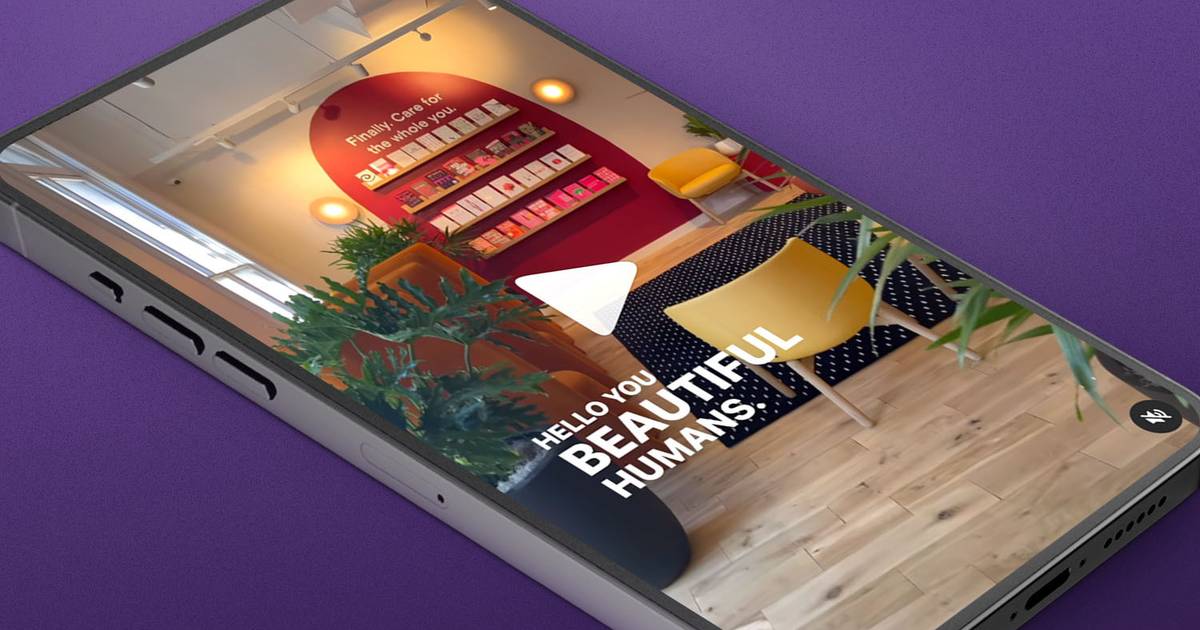
Organization: Tia (Women’s healthcare provider)
Platform: Instagram
What Worked: Partnered with female influencers to showcase their modern clinics and patient-centric approach.
Why It’s Effective: Leveraged trust in influencers to reach a target audience and create a relatable brand image.
Campaign Type: User-Generated Content (UGC)
Organization: #YESMAMM (Carilion Clinic – Breast Cancer Awareness)
Platform: Multiple Platforms (Social Media)
What Worked: Encouraged women to share photos with the hashtag #YESMAMM to promote self-exams and raise awareness about breast cancer.
Why It’s Effective: Increased engagement through participation and fostered a sense of community around a crucial health issue.
Campaign Type: Patient Storytelling
Organization: New York-Presbyterian Hospital
Platform: Multiple Platforms (Social Media, Website)
What Worked: Shared success stories and testimonials from patients who received life-changing care at the hospital.
Why It’s Effective: Built trust and credibility by showcasing real patient experiences with positive outcomes.
These are just a few examples, and the “best” campaign will depend on your specific goals and target audience. However, all of these campaigns share some key elements that contribute to their success:
Clear Objectives: Having a defined purpose for your campaign helps guide content creation and measure its effectiveness.
Engaging Content: Informative, visually appealing, and interactive content is key to capturing attention and keeping people interested.
Targeted Approach: Understanding your audience and tailoring your message to their needs on the platforms they use most is crucial.
Authentic Voice: Whether using humor, personal stories, or professional expertise, building trust with a genuine and relatable persona resonates better.
By considering these elements and the successful examples above, you can develop a strong healthcare social media strategy that effectively engages patients in the digital age.
Recommended reading:
Top Best Healthcare Social Media Campaigns of the Year & Key Takeaways
III. Challenges and Considerations for Healthcare Social Media
While healthcare social media offers numerous benefits for patient engagement and communication, it also presents a unique set of challenges and considerations that healthcare providers must navigate carefully. In this section, we will address the critical issues that arise when integrating social media into healthcare practices, including maintaining patient privacy, countering misinformation, managing resources, and ensuring content accessibility and inclusivity. By examining these obstacles, healthcare organizations can develop strategies to overcome them and harness the full potential of social media in healthcare.
Maintaining HIPAA compliance and protecting patient privacy
In the realm of healthcare social media, adhering to the Health Insurance Portability and Accountability Act (HIPAA) is paramount. Healthcare providers must navigate the complexities of maintaining patient confidentiality while engaging in public platforms. This includes training staff on HIPAA regulations, implementing strict privacy policies, and ensuring that any patient information shared online is done with consent and within legal parameters.
Countering misinformation and promoting reliable health information
Social media is rife with health-related misinformation, which can spread rapidly and influence patient decisions. Healthcare providers have the responsibility to debunk myths and share accurate, evidence-based information. This challenge involves staying up-to-date with the latest health news, collaborating with trusted health authorities, and actively participating in online conversations to correct false claims.
Allocating resources for effective social media management
Effective social media management requires dedicated resources, including time, personnel, and budget. Healthcare organizations must consider the cost of content creation, monitoring interactions, and analyzing performance metrics. Additionally, they must decide on the level of engagement and the platforms that will provide the best return on investment for reaching their patient population.
Balancing promotional content with patient-centric information
While social media serves as a marketing tool for healthcare providers, it’s essential to balance promotional content with information that truly benefits the patient. This includes creating content that addresses patient needs, answers common health questions, and provides value beyond advertising services.
Ensuring accessibility and inclusivity in social media content
Accessibility and inclusivity are critical considerations for healthcare social media. Content should be understandable and reachable to all patients, including those with disabilities or those who speak different languages. This may involve providing captions for videos, using simple language for complex medical topics, and considering cultural sensitivities when creating and sharing content.
Navigating the impact of social media on mental health
Healthcare providers must be cognizant of the impact and potential risks that social media can have on mental health. While it can be a source of support, it can also contribute to anxiety and depression. Providers can play a role in educating patients about healthy social media use and offering resources for those who may be affected by its negative aspects.
Adapting to changes in social media algorithms and trends
Social media is an ever-evolving landscape, with frequent changes in algorithms and emerging trends. Healthcare providers must stay agile and adapt their strategies to maintain visibility and engagement. This requires keeping abreast of platform updates and being ready to pivot tactics to continue reaching and engaging patients effectively.
Conclusion
Healthcare social media has revolutionized patient care by turning patients from passive recipients into active participants in their health journey. It serves as a crucial platform for sharing health information, addressing concerns, and building patient-provider trust. As healthcare social media continues to evolve with advancements like AI and VR, it promises even more personalized and engaging patient experiences, suggesting a future where social media integration with healthcare is even more seamless and impactful.
For healthcare providers looking to elevate their social media presence with dynamic and compliant content, F.Learning Studio offers a specialized Animation solution for Healthcare Social Media. We are experts in creating captivating visuals and informative posts that resonate deeply with the healthcare community. More than just content creators, F.Learning Studio are storytellers who understand the healthcare narrative, crafting content that engages, informs, and inspires. Their tailored approach ensures that each piece of content not only builds trust but also enhances the online presence of healthcare providers, fostering a meaningful connection with the audience.

Sean Bui, the founder and creative director of F. Learning Studio, is a respected leader in the e-learning and multimedia production industry.
With over 10 years of experience, he has dedicated his career to helping organizations create engaging and impactful learning experiences. Under his leadership, F.Learning Studio has grown into a trusted partner for organizations in the education, healthcare, and corporate training sectors, producing over 2,000 minutes of educational animation.
Sean’s expertise in translating complex concepts into compelling animated videos and interactive learning experiences, as well as his active involvement in the e-learning community, have earned him a reputation as a trusted partner and thought leader in the field of educational technology.