
In today’s diverse healthcare landscape, cultural competency is no longer enough. While possessing knowledge about different cultures is valuable, true quality care hinges on something deeper: cultural caring. This approach fosters an environment of understanding, respect, and empathy, ensuring all patients feel valued and heard. This article explores 5 key strategies healthcare professionals can adopt to build cultural caring and cultivate a more sensitive and inclusive healthcare experience.
I. Introduction
A. Definition of cultural caring and its importance in healthcare
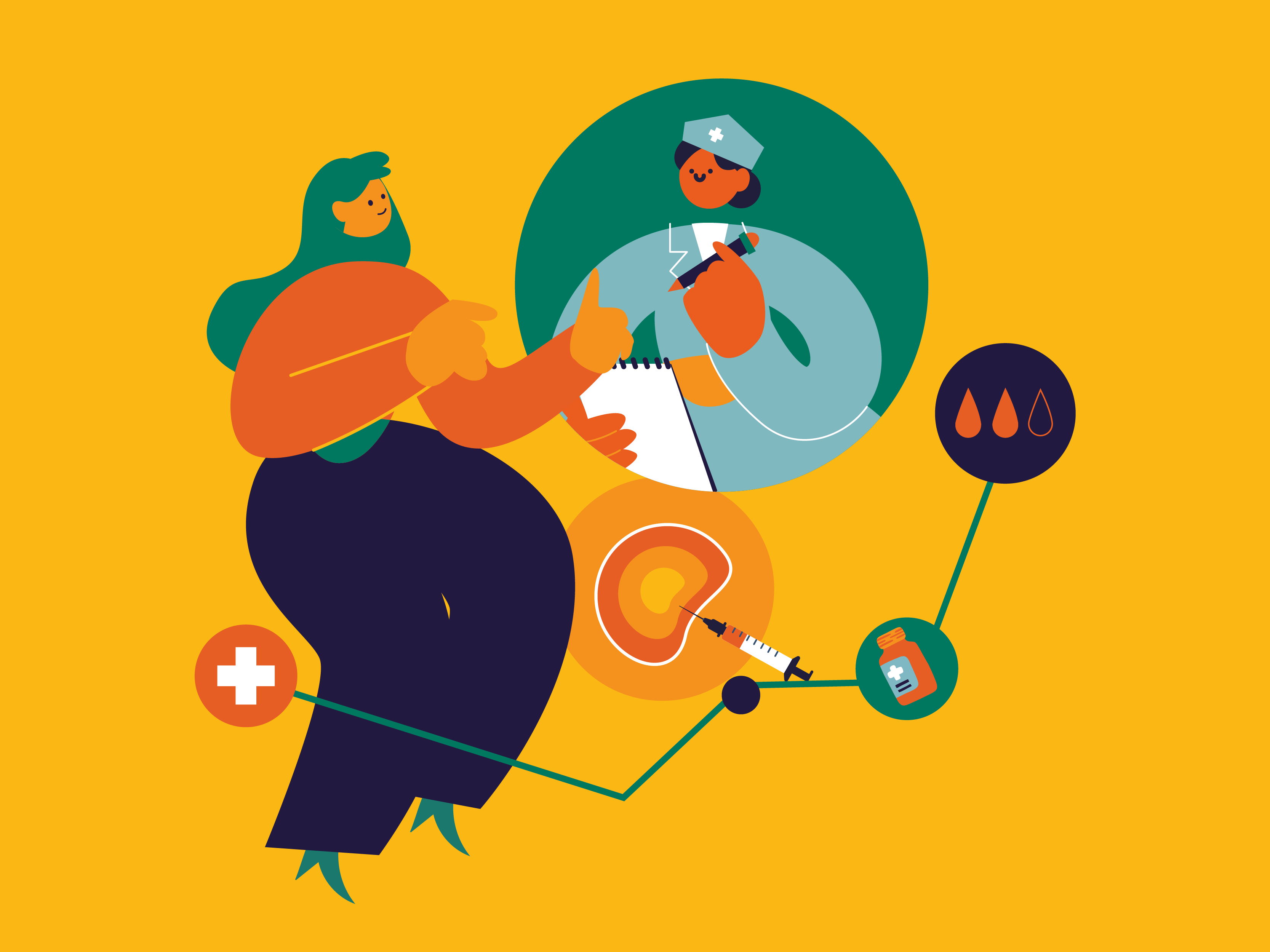
Cultural caring refers to the practice of healthcare professionals recognizing, understanding, and considering the diverse cultural backgrounds of their patients when providing care. It involves being aware of the various cultural norms, values, beliefs, and practices that can influence a patient’s health behaviors and preferences. By integrating cultural caring into healthcare, professionals can create a more personalized and respectful experience for patients, which is essential for building trust and improving health outcomes. The importance of cultural caring in healthcare cannot be overstressed, as it directly impacts the quality of care provided and supports the emotional and psychological well-being of patients. It is a critical component in the pursuit of health equity and the provision of compassionate, culturally competent care.
B. Overview of cultural sensitivity in healthcare and its impact on patient outcomes
Cultural sensitivity in healthcare is the recognition and respect of the different cultural factors that can affect a patient’s experience within the healthcare system. It involves understanding that cultural perceptions and social norms surrounding health, illness, and treatment can vary widely among individuals. Healthcare professionals who are culturally sensitive are better equipped to interact with patients from diverse backgrounds in a manner that is respectful and understanding of their cultural needs. This sensitivity can lead to improved patient outcomes by ensuring that care is delivered in a way that is congruent with the patient’s cultural values and health beliefs.
C. Introduction to the concept of a culture of caring and its significance in fostering a positive healthcare environment
The concept of a culture of caring extends beyond individual interactions to encompass the overall atmosphere and ethos of a healthcare organization. It is characterized by an ongoing commitment to empathy, respect, and mindfulness towards the cultural dimensions of patient care. A culture of caring is foundational in creating a healthcare environment where patients feel valued and understood, which can significantly enhance patient satisfaction, adherence to treatment plans, and overall well-being. Embracing a culture of caring is not only beneficial for patients but also for healthcare providers as it promotes a more harmonious and supportive workplace.
5 Ways to Build a Culture of Caring
I. Educating and Training Healthcare Professionals
A. Importance of cultural competency training for healthcare providers
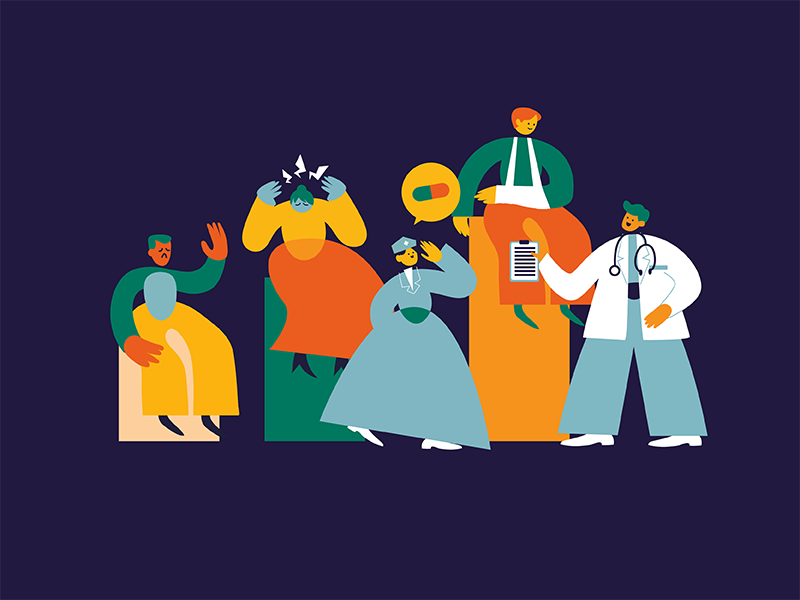
Cultural competency training is crucial for healthcare providers to develop the necessary skills to deliver care that respects the diverse cultural backgrounds of patients. This training helps providers to be more aware of their own cultural biases and to understand the cultural contexts of their patients’ lives. By fostering an environment of continuous learning and cultural awareness, healthcare providers can improve their communication with patients, which is fundamental in building a trusting patient-provider relationship.
B. Strategies for integrating cultural sensitivity education into medical curriculum and professional development programs
To integrate cultural sensitivity effectively, medical curricula and professional development programs must encompass a variety of teaching methods, including workshops, role-playing scenarios, and case-based discussions. These strategies can help healthcare professionals understand the practical applications of cultural sensitivity in their daily interactions with patients. Additionally, ongoing education and reinforcement of these concepts can ensure that cultural sensitivity remains a core value within the healthcare organization.
C. Successful implementation of cultural competency training initiatives
Case studies serve as powerful tools to illustrate the benefits and challenges of implementing cultural competency training. They provide real-world examples of how healthcare organizations have successfully navigated cultural barriers to improve patient care. By analyzing these case studies, healthcare professionals can learn best practices and strategies for adopting similar initiatives within their own institutions.
II. Implementing Patient-Centered Care Practices
In today’s healthcare landscape, fostering a culture of care is paramount. This means creating an environment where patients feel not just treated, but understood, respected, and valued as individuals. Here’s where animation shines as a powerful tool for patient education and what should you do.
A. Understanding the principles of patient-centered care and its alignment with cultural caring
Patient-centered care is a holistic approach that respects and responds to the preferences, needs, and values of patients, ensuring that patient values guide all clinical decisions. This approach aligns perfectly with cultural caring as it requires an understanding of the patient’s cultural background, including language, customs, beliefs, and perspectives on health and wellness. It is about seeing the patient as an individual rather than just a recipient of medical services, and this individualized attention is a cornerstone of cultural caring.
B. Strategies for tailoring care plans to meet the cultural and individual needs of patients
Strategies to tailor care plans that meet the cultural and individual needs of patients include conducting thorough cultural assessments, engaging in active listening to understand patient concerns, and incorporating cultural preferences into the care plan. Healthcare professionals can also collaborate with cultural mediators or liaisons to bridge any potential gaps in understanding. Additionally, providing care that is respectful of and responsive to individual patient preferences, needs, and values, and ensuring that patient values guide all clinical decisions, are key to delivering patient-centered care that is also culturally sensitive.
C. Examples of healthcare organizations that prioritize patient-centered care and cultural sensitivity
There are numerous healthcare organizations that have set the standard for prioritizing patient-centered care and cultural sensitivity. These organizations often have comprehensive policies and programs in place to ensure that their staff are well-trained in cultural competence. They also implement systems to collect and utilize patient demographic and cultural data to inform care practices. Many of these organizations have been recognized for their efforts through awards and certifications that highlight their commitment to embracing diversity and providing care that is respectful of the cultural needs of their patients.
One of the great practices for building patient-centred programs is using animation to enhance patient satisfaction by providing clear, engaging, and personalized information. This video, titled University of Minnesota – Rheumatic heart disease | Explainer Animation by F. Learning Studio, is a great example of using animation to improve patient education. Here’s why:
- Complex medical concepts are made easier to understand: The video uses animation to illustrate the inner workings of the heart and how rheumatic fever damages the heart valves. This can be difficult to understand with static images or just a doctor’s explanation. By seeing the animation, patients can get a clearer picture of what’s happening inside their body.
- Medical terms are explained visually: The video doesn’t just use medical terms like regurgitation and stenosis, it also shows them visually. For instance, it animates the valves not closing properly to illustrate regurgitation. This dual approach, using both visual and verbal explanations, can help patients remember the information better.
- The animation is engaging and keeps patients interested: The animation is colorful and visually interesting, which can help patients stay engaged with the material. This is especially important for children, who may have a harder time sitting through a long explanation of a medical condition.
Overall, this video is a great example of how animation can be used to improve patient education. By making complex medical concepts easier to understand, animation can help patients better understand their condition and make informed decisions about their care.
III. Creating Diverse and Inclusive Work Environments
A. Importance of diversity and inclusion in healthcare settings for promoting cultural understanding
Diversity and inclusion in healthcare settings are paramount for fostering a workplace that mirrors the varied demographics of the community it serves. By having a diverse staff, healthcare organizations can benefit from a wide array of perspectives, which can lead to more empathetic patient care and a broader understanding of different cultural nuances. Inclusion ensures that all staff members feel valued and empowered to contribute their unique insights, which can enhance collaboration and innovation in healthcare delivery.
B. Strategies for fostering a culture of inclusivity among healthcare staff
To foster a culture of inclusivity, healthcare organizations can implement a variety of strategies. These may include diversity training programs, mentorship opportunities for underrepresented groups, and the creation of diversity councils or task forces that are dedicated to addressing issues of equity and representation. Additionally, healthcare leaders can model inclusive behavior by actively seeking input from all team members and making a conscious effort to recognize and celebrate the diverse backgrounds of their staff.
C. Case studies highlighting organizations that have successfully created diverse and inclusive work environments
Case studies of organizations that have successfully embraced diversity and inclusion often reveal a common theme: a top-down commitment to these values. These organizations not only recruit a diverse workforce but also maintain an inclusive culture by continuously engaging staff in dialogues about diversity, providing equal opportunities for advancement, and ensuring fair and respectful treatment of all employees. Such case studies serve as inspiring examples for other healthcare entities aiming to create a more inclusive atmosphere for both their staff and patients.
IV. Utilizing Technology to Enhance Cultural Communication
A. Role of technology in facilitating cross-cultural communication in healthcare
Technology plays a pivotal role in bridging the communication gap between healthcare providers and patients from diverse cultural backgrounds. By leveraging digital tools, healthcare professionals can overcome language barriers, understand cultural nuances, and foster a more inclusive environment for patient care. Innovations such as real-time translation services, telehealth platforms, and culturally tailored health applications are transforming the way providers interact with patients, ensuring that communication is clear, accurate, and culturally sensitive.
B. Overview of technological tools and platforms that support cultural sensitivity in patient interactions
A variety of technological tools and platforms are available to support cultural sensitivity in patient interactions. Electronic health records (EHRs) can be customized to include cultural and linguistic information, which can inform healthcare providers about the best ways to approach patient communication. Telemedicine platforms often integrate translation services that allow for real-time interpretation during virtual visits, making healthcare more accessible to non-English speaking patients. Additionally, mobile health apps can be designed to reflect cultural dietary preferences, traditional healing practices, and other culturally specific health information that can aid in patient education and engagement.
C. Examples of healthcare organizations leveraging technology to improve cultural communication and understanding
Many healthcare organizations are now leveraging technology to improve cultural communication and understanding. For instance, hospitals are implementing video interpreting services to provide patients with access to interpreters in multiple languages, thus improving the quality of care for non-native speakers. Health systems are also using patient portals that are available in multiple languages and that account for varying levels of health literacy, enabling all patients to actively participate in their healthcare. By sharing these successful examples, healthcare organizations can learn from each other and adopt similar technologies to enhance their own cultural communication capabilities.
V. Promoting Community Engagement and Collaboration
A. Importance of engaging with diverse communities to better understand their cultural needs and preferences
Engaging with diverse communities is a critical step in comprehending and addressing the unique cultural needs and preferences of different patient populations. Through active engagement, healthcare providers can gain valuable insights into the social determinants of health that affect these communities, leading to more effective and culturally appropriate care strategies.
B. Strategies for establishing partnerships with community organizations and leaders
Forming partnerships with community organizations and local leaders is an effective strategy for healthcare providers to connect with and serve diverse populations. These partnerships can facilitate community-driven health initiatives, provide cultural insight and competence, and help to build trust between healthcare institutions and the communities they serve.
C. Case studies demonstrating the benefits of community engagement in building a culture of caring in healthcare
Case studies highlighting successful community engagement initiatives demonstrate the positive impact of such collaborations on healthcare outcomes. These examples can serve as a blueprint for other organizations seeking to implement similar strategies and underscore the value of community involvement in fostering a culture of caring.
Conclusion
By implementing these strategies for cultural caring, healthcare professionals can foster a more welcoming and equitable environment for all patients. This not only improves patient satisfaction and trust in the healthcare system, but also leads to better health outcomes. Cultural caring is an ongoing journey, but by embracing these practices, we can move closer to providing truly holistic and culturally sensitive care for every individual.

Sean Bui the founder and creative director of F. Learning Studio, is a respected leader in the e-learning and multimedia production industry.
With over 10 years of experience, he has dedicated his career to helping organizations create engaging and impactful learning experiences. Under his leadership, F.Learning Studio has grown into a trusted partner for organizations in the education, healthcare, and corporate training sectors, producing over 2,000 minutes of educational animation.
Sean’s expertise in translating complex concepts into compelling animated videos and interactive learning experiences, as well as his active involvement in the e-learning community, have earned him a reputation as a trusted partner and thought leader in the field of educational technology.