Continuing Medical Education (CME) is an essential facet of the medical profession, promoting ongoing learning and competency in healthcare providers. As the field of medicine is ever-evolving, how to create a CME Course is a need for CME providers. The creation of a CME course is a multifaceted process that involves the identification of educational needs, the selection of relevant content, and the employment of effective teaching methods. This section aims to elucidate the various types of CME content and to offer concrete examples that can inspire and assist CME planners in crafting courses that are both informative and engaging for healthcare professionals.
Introduction
The concept of Continuing Medical Education (CME) and its importance for healthcare professionals.
CME is not just a requirement but a critical component in the lifelong journey of professional development for those in the medical field. It serves as a bridge between the static knowledge acquired during formal education and the dynamic updates that define modern medical practice. By engaging in CME, healthcare professionals can maintain their clinical competence, learn about new and developing areas of their field, and gain practical skills and knowledge that are directly applicable to daily patient care.
The different types available for creating a CME course.
The landscape of CME content is diverse, offering a variety of formats and methodologies to cater to different learning preferences and objectives. From traditional lecture-based courses to innovative digital media and hands-on practice, the types of CME content are designed to engage healthcare professionals in active learning. By selecting the appropriate mix of CME content types, educators can create a more effective and stimulating educational experience that not only conveys information but also inspires and equips practitioners to apply their learning in the real world.
Exploring CME Content Options
The role of a CME planner in structuring and organizing your course content.
The CME planner is pivotal in shaping the educational journey of healthcare professionals. They meticulously analyze the educational needs of the target audience and strategically select content that is both relevant and engaging. The planner must have a keen understanding of adult learning principles, as well as the ability to anticipate and incorporate emerging trends and innovations in medicine that can significantly enhance the learning experience.
By curating content that spans across a spectrum of formats-from live seminars to interactive e-learning modules-the CME planner ensures that the course is not only comprehensive but also adaptable to different learning styles and professional requirements. Furthermore, the planner is tasked with the crucial role of ensuring that the content aligns with accreditation standards and educational outcomes, thereby guaranteeing that the course meets its intended educational goals and provides tangible benefits to its participants.
Live Activities
Lectures and presentations by medical experts
These sessions provide up-to-date information and allow attendees to engage directly with thought leaders in the field. They often include Q&A segments, which encourage interaction and deeper understanding. These educational gatherings are pivotal for disseminating cutting-edge research, clinical updates, and expert opinions on a variety of medical topics. By attending lectures and presentations, healthcare professionals can absorb the wisdom of seasoned practitioners, ask pertinent questions, and clarify doubts in real-time. This traditional form of CME content remains a cornerstone of professional learning, often serving as a catalyst for lively debates and a nexus for professional networking.
Interactive workshops and case studies
These activities are designed to foster active participation and apply learning in practical scenarios. Attendees work together to solve problems, discuss outcomes, and share experiences that enrich the learning process. Interactive workshops offer a dynamic environment where healthcare professionals can engage in hands-on activities that reinforce their knowledge and skills. These workshops may involve role-playing, critical thinking exercises, and collaborative problem-solving that mirror real-world clinical situations.
Similarly, case studies serve as a powerful educational tool, allowing participants to dissect and analyze complex patient scenarios. By examining the decision-making process and outcomes of actual cases, learners can gain deeper insights into the practical application of medical theories and principles.
Skills-based training sessions
Hands-on sessions like these are critical for translating knowledge into practice. They offer a safe environment to master new techniques and procedures before applying them in clinical settings. These simulation exercises are meticulously designed to mimic real-life medical emergencies and routine procedures, providing a platform for healthcare professionals to refine their skills. By engaging in these realistic scenarios, participants are able to improve their clinical acumen, decision-making abilities, and procedural confidence.
This type of training is particularly beneficial for surgical disciplines, emergency medicine, and other areas where technical proficiency can have a direct impact on patient outcomes. Furthermore, skills-based training sessions can be augmented with debriefing sessions where participants receive feedback, discuss their performance, and learn from both their successes and mistakes.
Enduring Materials
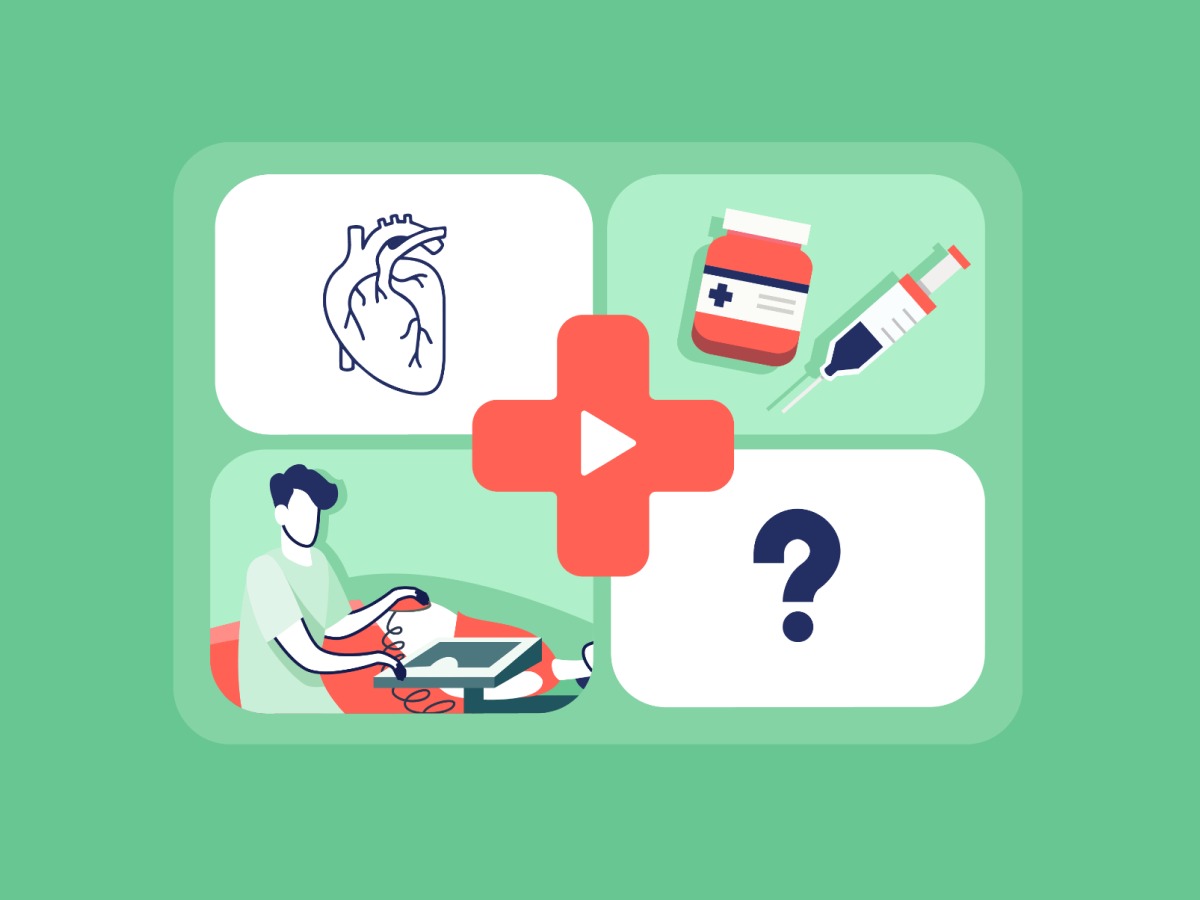
Online modules and video presentations
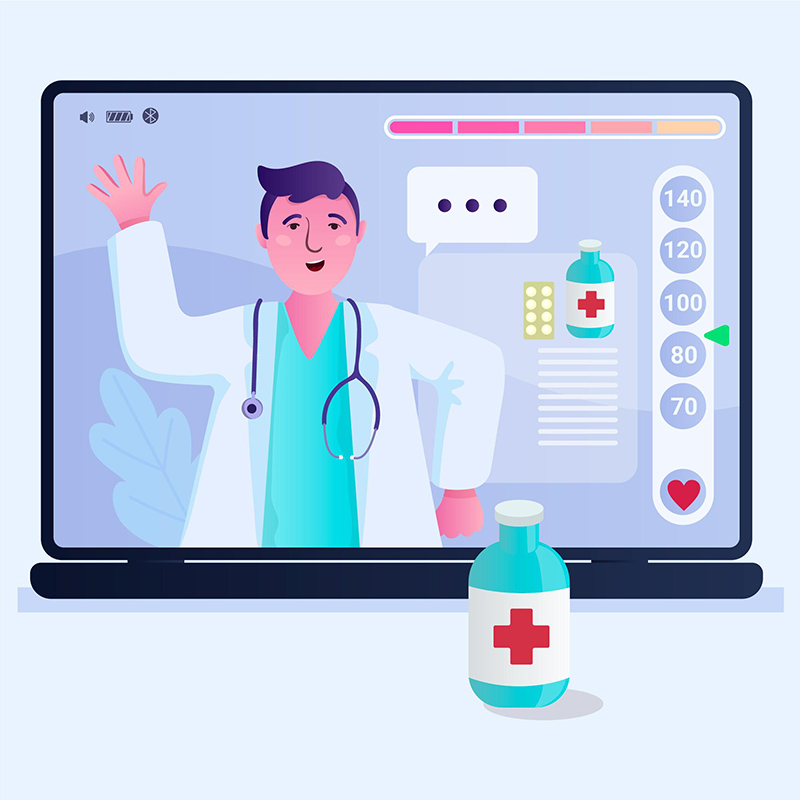
These digital offerings allow for self-paced learning, which can be accessed at the convenience of the learner. Online modules often include interactive elements such as quizzes and multimedia content, enhancing the engagement and retention of the material. Video presentations, on the other hand, provide visual and auditory learning experiences that can be more impactful for certain topics and learners.
The below video is a a project from F.Learning Studio’s collaboration with Dr. Manish Chand, a respected figure in the field of Surgery, to create a healthcare video focusing on colorectal cancer and rectal bleeding. This video is instrumental in the “Colorectal Awareness Month” campaign, aimed at educating patients about their conditions and treatment options. With March being a pivotal month for raising awareness about colorectal cancer, F.Learning ensures a streamlined and effective production process to ensure the timely release of the video. The collaboration garners positive responses from viewers, enhancing Dr. Manish’s reputation and personal branding while providing valuable information to both the public and medical professionals.
Webinars and podcasts
Webinars enable real-time interaction with instructors and peers, which can be beneficial for complex subjects that require discussion. They often feature live presentations, demonstrations, and the ability to ask questions or participate in polls. Podcasts offer a portable and flexible way to absorb information on-the-go, making them ideal for busy healthcare professionals who can listen to them during commutes or between appointments.
Printed materials and online resources
Traditional printed materials such as textbooks, handouts, and journals remain valuable resources for those who prefer to learn from physical media. They provide a tangible reference that can be easily annotated and referenced. Online resources complement these by offering access to a vast array of up-to-date information, including research databases, guidelines, and articles that are essential for continuous learning in the medical field.
Combination Approach On How to Create A CME Course
Emphasize the benefits of combining live activities with enduring materials for a comprehensive learning experience.The integration of live activities, such as workshops, seminars, and conferences, with enduring materials like online courses, videos, and literature, offers a multifaceted educational approach that caters to various learning styles.
This combination approach allows for the immediacy and interactivity of live events to be complemented by the convenience and longevity of enduring materials. Attendees can benefit from the direct engagement and networking opportunities that live activities provide, while also enjoying the flexibility to review and reinforce their knowledge through enduring materials at their own pace. By leveraging the strengths of both formats, educators can create a more robust and versatile CME curriculum that maximizes learning retention and practical application.
Examples of Engaging CME Content
Interactive case study video
A group of physicians discuss a complex patient case using animation to illustrate key concepts. This engaging format allows for a visual and dynamic exploration of clinical decision-making, bringing to life the intricacies and nuances of patient care. It also provides an opportunity for learners to visually connect with the material, making complex medical concepts more accessible and memorable.
Live skills workshop
Participants practice a new surgical procedure on a simulator with expert guidance. These workshops offer a hands-on approach to learning that can significantly enhance the acquisition of technical skills. Under the mentorship of experienced professionals, participants can receive immediate feedback and instruction, allowing for a more personalized and effective learning experience.
Online module with quizzes
An in-depth exploration of a new medical treatment with interactive assessments to test knowledge retention and understanding. This method combines the flexibility of self-paced study with the rigor of structured evaluation, ensuring that learners are not only exposed to new information but are also able to demonstrate their grasp of the material through active participation.
Additional Considerations
Learning objectives of the course
Understanding the specific goals you wish to achieve with your CME course is paramount. Whether the aim is to introduce new medical procedures, to update practitioners on the latest guidelines, or to reinforce foundational knowledge, each objective may necessitate a different type of content. For example, a course designed to teach a new surgical technique would benefit from a hands-on workshop, whereas a course aimed at reviewing medical ethics might be better suited to a seminar format with case discussions.
Target audience and their preferred learning styles
The demographics and preferences of your audience can greatly influence the effectiveness of your CME content. Some learners may prefer the flexibility and self-directed nature of online modules, while others may benefit more from the interactive elements of live seminars and workshops. Understanding the learning styles, professional backgrounds, and even generational characteristics of your audience can help you tailor the content to be as impactful as possible.
Resource limitations and budget
Practical considerations such as the available budget, resources, and time constraints can play a significant role in determining the types of content you can offer. High-quality simulations and interactive workshops may provide excellent learning experiences but can also be resource-intensive. On the other hand, webinars and online modules can be more cost-effective and easier to scale for larger audiences. Balancing fiscal responsibility with educational quality is a key skill for any CME planner.
Becoming a CME Provider
The journey to becoming a recognized CME provider is one that requires careful planning and adherence to strict accreditation standards. Prospective providers must familiarize themselves with the requirements set forth by accrediting bodies, such as the Accreditation Council for Continuing Medical Education (ACCME). These standards are designed to ensure that educational providers offer high-quality learning experiences that are scientifically valid, free of commercial bias, and effective in improving healthcare outcomes.
The application process typically involves the submission of detailed documentation that demonstrates the provider’s ability to meet these standards, including evidence of appropriate educational design, delivery, and evaluation processes. Additionally, providers must show their commitment to continuous improvement and responsiveness to the educational needs of their audience.
For those seeking to delve deeper into the specifics of becoming a CME provider, the ACCME website is an invaluable resource. It offers comprehensive guidance on the accreditation process, including criteria, policies, and standards that must be met. The site also provides access to a wealth of tools and resources, such as templates, tutorials, and examples of best practices, which can be instrumental in the application and accreditation journey. Aspiring CME providers are encouraged to leverage these resources to ensure their educational offerings meet the rigorous expectations of the medical education community and contribute meaningfully to the advancement of healthcare quality.
Conclusion
In conclusion, the process of creating a CME course is a thoughtful and deliberate endeavor that can significantly impact the proficiency and expertise of healthcare professionals. The diverse array of (types of cme content), ranging from interactive workshops to online modules, provides educators with the tools to design a curriculum that is not only informative but also engaging and responsive to the needs of their audience. By carefully aligning the content with the learning objectives and preferences of the target audience, CME courses can be tailored to deliver the most effective educational experiences.
Moreover, the creation of high-quality CME courses plays a pivotal role in the ongoing development of healthcare professionals. As medicine continues to evolve at a rapid pace, it is imperative that those in the field stay current with the latest advancements and best practices. CME courses that are well-crafted and relevant can enhance knowledge, improve clinical skills, and ultimately lead to better patient care outcomes. The investment in CME is an investment in the future of healthcare, ensuring that providers remain competent and confident in their ability to deliver the highest standard of care to their patients.

Sean Bui, the founder and creative director of F. Learning Studio, is a respected leader in the e-learning and multimedia production industry.
With over 10 years of experience, he has dedicated his career to helping organizations create engaging and impactful learning experiences. Under his leadership, F.Learning Studio has grown into a trusted partner for organizations in the education, healthcare, and corporate training sectors, producing over 2,000 minutes of educational animation.
Sean’s expertise in translating complex concepts into compelling animated videos and interactive learning experiences, as well as his active involvement in the e-learning community, have earned him a reputation as a trusted partner and thought leader in the field of educational technology.