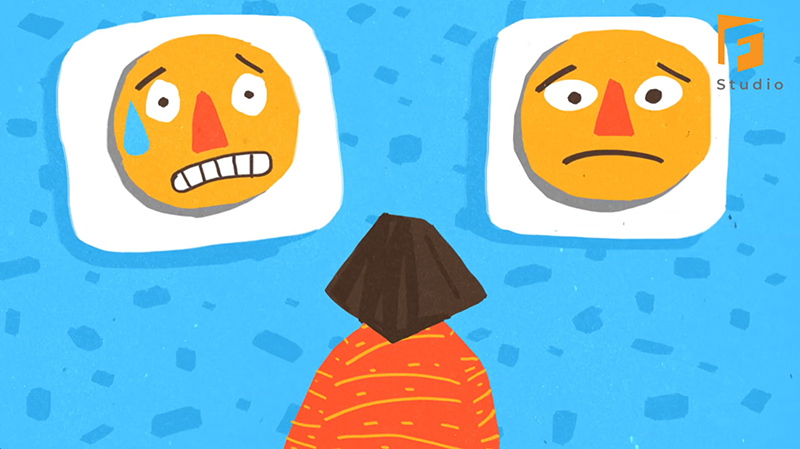
2D frame-by-frame animation is a classic technique where every single frame is drawn individually, creating smooth, natural, and expressive motion. Unlike automated or rigged animation, frame-by-frame gives artists full control over timing, emotion, and detail, which is why it remains one of the most visually impactful animation methods today.
This article walks you through the essentials, including how frame-by-frame animation works, practical steps to create one, and recommended tools to start animating confidently, even if you’re a beginner. And if you prefer to work with specialists, F. Learning Studio is here to support you with expert-crafted 2D frame-by-frame animation tailored to your project.
What Is 2D Frame-by-Frame Animation?
2D frame-by-frame animation is a classic animation technique where each frame is drawn individually to create fluid, expressive movement. Instead of relying on automated motion or digital puppets, animators illustrate every change in pose, expression, or position by hand (digitally or traditionally).
Here’s how frame-by-frame differs from rigged or automated 2D animation
- Movement creation: Frame-by-frame requires drawing every frame manually, while rigged animation uses a character “skeleton” that can be posed repeatedly without redrawing.
- Artistic freedom: Frame-by-frame allows unlimited creativity in expressions, squash-and-stretch, and dynamic poses; rigged animation is limited to predefined controls and joints.
- Time & production speed: Frame-by-frame is more time-consuming because each drawing is unique; rigged animation is much faster once the character rig is built.
- Visual style: Frame-by-frame animation looks more natural, hand-crafted, and expressive; rigged animation tends to look cleaner and more consistent but sometimes mechanical.
- Best use cases: Frame-by-frame is ideal for expressive storytelling, impact frames, and artistic projects. Rigged animation works best for long-form series, explainer videos, and content requiring repeated actions.
8 Best 2D Frame-by-Frame Animations
1. F. Learning Studio: Secret Fate
- Overview: In Secret Fate, F. Learning Studio tells a cultural love story through hand-drawn animation, following two characters from differing traditions who meet, connect, and navigate family expectations. Each scene uses delicate frame-by-frame motion, like the sway of traditional attire or the flicker of lanterns, to emphasize emotion and cultural identity.
- What makes it stand out:
- Hand-drawn detail in every frame creates unique character movement
- Strong visual storytelling connects with viewers across cultures
- Color palette and texture underline emotional tone
- Seamless flow between scenes shows production maturity
2. Incredible animation on battling and overcoming anxiety
- Overview: This short film uses frame-by-frame animation to visualize anxiety as a creeping staircase and jittery stairs, illustrating the physical and mental sensations of panic attacks in vivid, metaphorical form. The narrative takes viewers through the process of recognition, coping, and support, showing how a person gradually gains strength and resilience.
- What makes it stand out:
- Strong metaphors that give form to invisible feelings
- Smooth transitions between chaotic motion and calm resolution
- Expressive character animation conveying vulnerability and empowerment
- Use of subtle motion and spacing to mirror internal tension
3. Qdooz
- Overview: Created for a CV-creation platform, this 2D frame-by-frame animation connects playful characters and dynamic motion to explain how easy and intuitive building your professional profile can be.
- What makes it stand out:
- Seamless integration of brand messaging with hand-drawn motion
- Energetic character actions that reflect digital productivity
- Visual humor and momentum keep viewer engagement high
- Clear visual metaphors turning a service concept into story
4. F. Learning Studio: Tears
- Overview: This emotionally rich animation by F. Learning Studio follows a young character who loses something deeply important and journeys through grief, acceptance, and renewal. The frame-by-frame technique emphasizes subtle expressions, shifting atmosphere, and scenes of memory and hope.
- What makes it stand out:
- Expressive frame-by-frame facial animations communicate sadness and healing powerfully
- Visual metaphor (tears turning into blossoms) adds poetic depth
- Hand-drawn motion accentuates emotional nuance
- Cinematic pacing and scene transitions enhance storytelling
5. World Kidney Cancer Day
- Overview: This awareness animation uses hand-drawn frame-by-frame motion to walk viewers through the journey of kidney-cancer patients—diagnosis, treatment decisions, and the importance of early tests. It simplifies complex medical information into relatable characters and visual sequences.
- What makes it stand out:
- Frame-by-frame transitions turn medical data into human stories
- Empathy-driven scenes build connection with audience
- Clear visual hierarchy ensures complex facts are understandable
- Clean hand-drawn lines give authenticity to health messaging
6. I had a black dog, his name was depression
- Overview: This introspective frame-by-frame animation visualizes depression as a black dog companion, showing everyday struggles from the inside. Each drawing captures body posture, mood, and metaphorical transformations linking mental health to visual narrative.
- What makes it stand out:
- Frame-by-frame motion makes the “black dog” metaphor feel tangible
- Emotionally charged timing and spacing reflect internal tension
- Minimal color palette focuses on mood, not distraction
- Expressive hand-drawn motion brings authenticity to mental-health dialogue
7. The tale of the Monkey King and the Buddha
- Overview: A classic myth brought to life through 2D frame-by-frame animation, this piece follows the Monkey King’s journey from mischief to enlightenment, using dynamic gesture work and dramatic motion sequences.
- What makes it stand out:
- Hand-drawn frames capture rapid monkey action and calm enlightenment scenes
- Stylized movement reflects traditional art influences and mythic tone
- Motion arcs and spacing emphasize impact and transformation
- Rich frame-by-frame detail elevates the legendary narrative
8. Who are you
- Overview: This video tells story of a celebrated writer faces crippling creative block after his first book’s success, so severe that even his pencils refuse to draw. A mysterious delivery girl arrives with a sealed box, and over coffee they explore themes of fame and inspiration. What happens next unveils a magical spark, showing that creativity may arrive in the most unexpected form
- What makes it stand out:
- Purpose-driven character animation aligned with musical beats
- Hand-drawn motion that captures subtle nuance in timing and flow
- Strong use of squash-and-stretch and anticipation for comedic impact
- Bright visuals and dynamic posing help the story feel lively and musical
Step-by-Step Guide to Creating a 2D Frame-by-Frame Animation
Creating a 2D frame-by-frame animation involves a structured workflow that blends creativity with careful planning. Each step builds on the previous one to ensure smooth motion, consistent character design, and clear storytelling. Below is a beginner-friendly breakdown of the full process so you can understand exactly how an animation comes to life, from idea to final export.
| Step | Description |
| 1. Concept & Storyboarding | Define the idea, message, and tone. Create a storyboard to map out key scenes, camera angles, and action flow. |
| 2. Design Characters & Assets | Illustrate character models, props, and backgrounds. Ensure consistent proportions and styles before animating. |
| 3. Create Keyframes | Draw the main poses that capture major actions or emotional beats. These form the “skeleton” of your animation. |
| 4. Add In-Between Frames | Fill in the transitional drawings between keyframes to create smooth, natural movement. This is the heart of frame-by-frame animation. |
| 5. Refine Timing & Spacing | Adjust frame count to control speed and weight. More frames = smoother motion; fewer frames = snappier action. |
| 6. Cleanup Line Art | Replace rough sketches with clean, consistent linework across all frames to prepare for coloring. |
| 7. Add Color & Shading | Apply flat colors first, then add shadows, highlights, and effects for depth and visual appeal. |
| 8. Composite & Add Effects | Assemble all layers (characters, backgrounds, FX) and add motion blur, glow, or other visual enhancements. |
| 9. Final Playback & Adjustments | Review the entire sequence, tweak inconsistencies, and ensure the motion feels natural and polished. |
| 10. Export the Animation | Render the final file in your desired format (MP4, MOV, GIF) and prepare it for distribution or editing. |
Animation Techniques Used in 2D Frame-by-Frame
2D frame-by-frame animation relies on a set of core techniques that help animators create smooth, expressive motion. These methods guide how movement is planned, drawn, and refined so every frame feels intentional. Below are the essential techniques every beginner should understand before diving into hand-drawn animation.
Straight Ahead vs. Pose-to-pose animation
Straight-ahead animation means drawing each frame in sequence from start to finish. It creates dynamic, energetic motion that unfolds naturally. Pose-to-pose animation begins with key poses, then adds in-between frames for more controlled and consistent movement. Most animators use a mix of both approaches to balance spontaneity and structure.
Onion skinning and ghosting techniques
Onion skinning lets animators see faint versions of the previous and next frames. This helps maintain proportions, align poses, and keep transitions smooth. Ghosting works similarly by showing transparent versions of nearby frames for better spatial awareness. These tools are essential for maintaining flow in frame-by-frame work.
Timing, spacing, and motion arcs
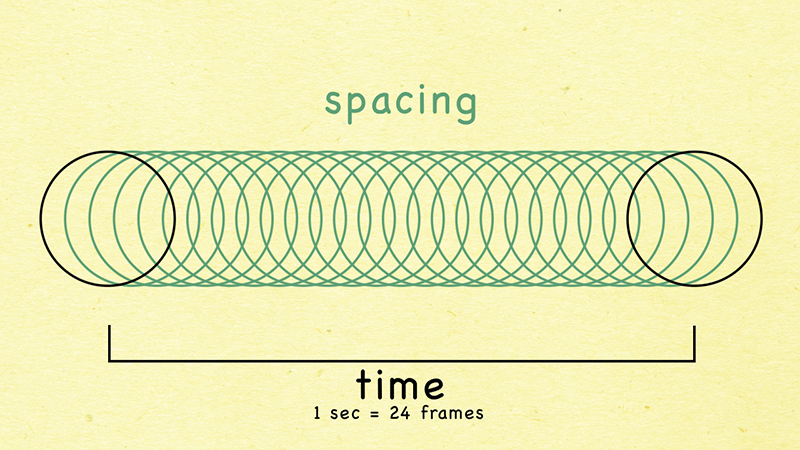
Timing determines how fast or slow an action feels. Spacing controls how far objects move between frames, which creates weight, speed, and rhythm. Motion arcs keep movement natural by following curved paths. Together, these principles shape the personality and realism of every animation sequence.
Applying the 12 principles of animation
The 12 principles include squash and stretch, anticipation, staging, and more. These guidelines help animations feel alive and purposeful. Even simple movements benefit from applying one or two principles. They add clarity and believability to every drawing.
Mixing frame by frame with rigged animation for hybrid motion
The 12 principles include squash and stretch, anticipation, staging, and more. These guidelines help animations feel alive and purposeful. Even simple movements benefit from applying one or two principles. They add clarity and believability to every drawing.
Tools and Software for 2D Frame-by-Frame
Choosing the right tool can make a major difference when you tackle frame-by-frame animation. You’ll want software that provides timeline control, onion-skinning, and layer management to handle each drawing and frame efficiently. We’ve compiled popular options, so you can easily select the one that suits your workflow and budget.
| Tool / Software | Key Features | Pricing |
| Adobe Animate | Vector and bitmap drawing, timeline keyframe control, onion skinning, export to multiple formats | ~$20.99/month (Creative Cloud) |
| Toon Boom Harmony | Industry-standard for 2D animation, rigging + frame-by-frame support, advanced compositing | From ~$25/month; higher tiers in 2026 |
| Krita | Free open-source drawing tool, supports frame-by-frame animation, onion skinning, unlimited layers | Free download |
| Clip Studio Paint | Natural brush tools, timeline for animation, rough sketch support, frame-by-frame workflow | One-time ~$49 or subscription |
| Procreate Dreams | iPad-based animation studio, intuitive brush + timeline support, includes frame-by-frame functionality | ~$19.99 one-time purchase |
| RoughAnimator | Simple app focused on hand-drawn animation, supports onion skinning, customize FPS, export video | ~$5–$15 one-time purchase |
| Blender (Grease Pencil) | 2D/3D hybrid tool, powerful for frame-by-frame drawing in 3D space, full production pipeline support | Free open-source |
How to Apply AI In Creating Frame-by-Frame Animation
AI is rapidly transforming how artists approach frame-by-frame animation. While it does not replace the handcrafted nature of traditional drawing, it streamlines workflows, boosts productivity, and helps animators focus more on creative decisions.
AI trends in frame-by-frame animation
| AI Feature | What It Does |
| AI-assisted in-betweening | Generates rough in-between frames automatically, reducing manual drawing time while keeping the animator in full control. |
| Smart cleanup & line refinement | Cleans rough sketches, smooths linework, and adjusts stroke weight for consistent visual style across all frames. |
| Pose prediction & motion suggestions | Analyzes previous frames and suggests the next pose to speed up blocking and rough animation. |
| Automatic color fill & shading | Detects closed shapes, applies consistent colors, and generates basic shading to accelerate the coloring phase. |
| Real-time feedback on timing & spacing | Analyzes motion flow and highlights frames that are too fast, too slow, or off-arc. |
| Style transfer for consistency | Applies a custom art style across frames to maintain uniformity without redrawing stylistic details repeatedly. |
| Voice-to-motion / audio-driven animation | Syncs character mouth shapes or simple body movements to dialogue or sound cues automatically. |
| Hybrid AI + manual workflows | Allows artists to draw keyframes manually while AI handles repetitive tasks like in-betweening or coloring. |
Common Challenges and How to Overcome Them
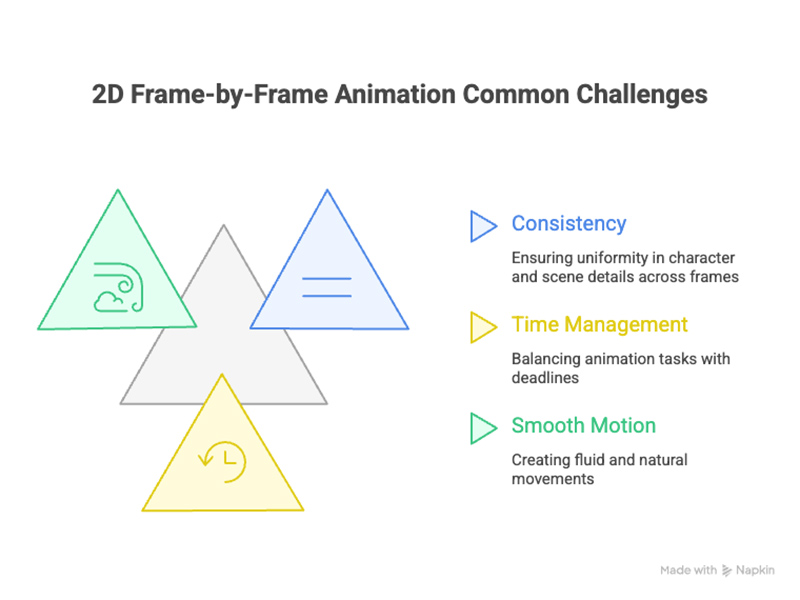
1. Maintaining consistency across frames
Keeping proportions, poses, and line quality aligned across many drawings is one of the toughest parts of frame-by-frame animation. Detailed model sheets, onion-skinning, and frequent reference checks help maintain visual accuracy and prevent characters from drifting off-model.
2. Managing time and a heavy workload
Because every frame is drawn by hand, even short scenes can demand significant time and effort. Breaking sequences into smaller tasks, building solid keyframes first, and pacing your workflow with structured milestones can make the process more manageable without sacrificing quality.
3. Achieving smooth, natural motion
Smooth animation requires strong timing, spacing, and motion arcs, which beginners often find challenging. Studying real-life references, planning movement paths, and reviewing playback often can greatly improve fluidity and realism.
These challenges are manageable, but they can slow down your project significantly. For creators or businesses aiming for polished results without production stress, partnering with a professional studio like F. Learning Studio can provide the expertise, efficiency, and handcrafted quality your animation deserves.
Partner with F. Learning Studio for Expert 2D Frame-by-Frame Animation Services
At F. Learning Studio, we specialize in handcrafted 2D frame-by-frame animation that blends artistry, storytelling, and technical precision. With nearly a decade of experience working with NGOs, healthcare organizations, global brands, and education-focused teams, we bring expressive, human-centered animation to projects that need clarity, emotional depth, and impact.
If you want animation that elevates your message, not just decorates it, our team is here to help. Request a FREE consultation anytime.
Mastery in handcrafted frame-by-frame animation
We bring years of experience shaping complex messages into fluid, expressive animation that resonates across audiences and cultures.
What we deliver:
- Hand-drawn motion that captures subtle emotion and character depth
- Smooth, organic movement created frame by frame
- Flexible styles from textured sketches to polished digital art
- Strong visual storytelling with emotional pacing
Want to see how hand-drawn animation can elevate your message? Ask for a FREE demo.
Custom frame-by-frame animation solutions for diverse sectors
Our work spans education, health, nonprofit advocacy, and corporate communication. We adapt not just visuals but tone, structure, and narrative to your sector.
Industries we support:
- NGOs & Social Impact: Advocacy videos, awareness campaigns, emotional storytelling
- Healthcare: Patient education, medical explainers, training content, social media videos
- Corporate & Education: Onboarding, product tutorials, training, and development
Every video is built around your goals, ensuring accuracy, accessibility, and a strong audience connection.
An end-to-end production process built for quality
Our end-to-end production ensures clarity, collaboration, and artistic excellence at every stage.
Our workflow:
- Discovery: Understand your goals, audience, and communication challenges
- Concept Development: Define narrative and style direction
- Storyboarding & Animatic: Visual roadmapping before animation begins
- Frame-by-Frame Animation: Handcrafted movement with precision and care
- Delivery & Optimization: Final editing, sound design, and platform-specific output

Case Study: DAC Climate Awareness x F. Learning Studio
DAC Climate Awareness needed an emotional and relatable way to communicate the impact of climate change beyond data and technical reports. We created the opening and closing sequences of this 9-minute documentary, using hand-drawn, frame-by-frame animation to set an emotional tone and leave a lasting impression.
Our contribution:
- A hand-drawn style that felt human, organic, and globally relatable
- Frame-by-frame animation depicting storms, floods, and climate impacts with realism and emotional weight
- Visual storytelling that tied together interviews, live-action footage, and scientific content
- Scenes that made climate challenges feel urgent and personal
The final video reached audiences across borders, transforming complex climate science into imagery people could feel, not just understand.
Conclusion
2D frame-by-frame animation stands out for its artistic control and emotional richness, making it a trusted approach for creative teams and organizations seeking unforgettable visuals. If your goal is to communicate clearly, move audiences, or create memorable storytelling, this method offers a powerful path forward.
And you don’t have to navigate the process alone. F. Learning Studio brings years of experience in hand-drawn animation, an efficient workflow, and a collaborative approach to help you achieve your vision. When you’re ready to transform your concept into a polished animated piece, contact us – we’d love to support your creative vision.
- WhatsApp: (+84) 378 713 132
- Email: [email protected]
- Fanpage: https://www.facebook.com/f.learningstudio
- LinkedIn: https://www.linkedin.com/company/f-learning-studio/
FAQs
1. Is frame-by-frame animation harder than rigged animation?
Yes. Because every frame is drawn by hand, it’s more time-intensive and requires strong drawing and timing skills. However, it produces more expressive and fluid movement than rigged animation.
2. How long does it take to create a frame-by-frame animation?
Production time depends on complexity, style, and number of frames. A short 30–60 second animation can take weeks, while longer or more detailed pieces may take months.
3. When should I choose frame-by-frame over rigged animation?
Choose frame-by-frame animation when you need expressive characters, emotional storytelling, dynamic movement, or a handcrafted artistic look that automated methods can’t replicate.

Sean Bui the founder and creative director of F. Learning Studio, is a respected leader in the e-learning and multimedia production industry.
With over 10 years of experience, he has dedicated his career to helping organizations create engaging and impactful learning experiences. Under his leadership, F.Learning Studio has grown into a trusted partner for organizations in the education, healthcare, and corporate training sectors, producing over 2,000 minutes of educational animation.
Sean’s expertise in translating complex concepts into compelling animated videos and interactive learning experiences, as well as his active involvement in the e-learning community, have earned him a reputation as a trusted partner and thought leader in the field of educational technology.