





Most costly mistakes caused by misunderstanding, forgetting, or misinterpreting critical information don’t just slow teams down
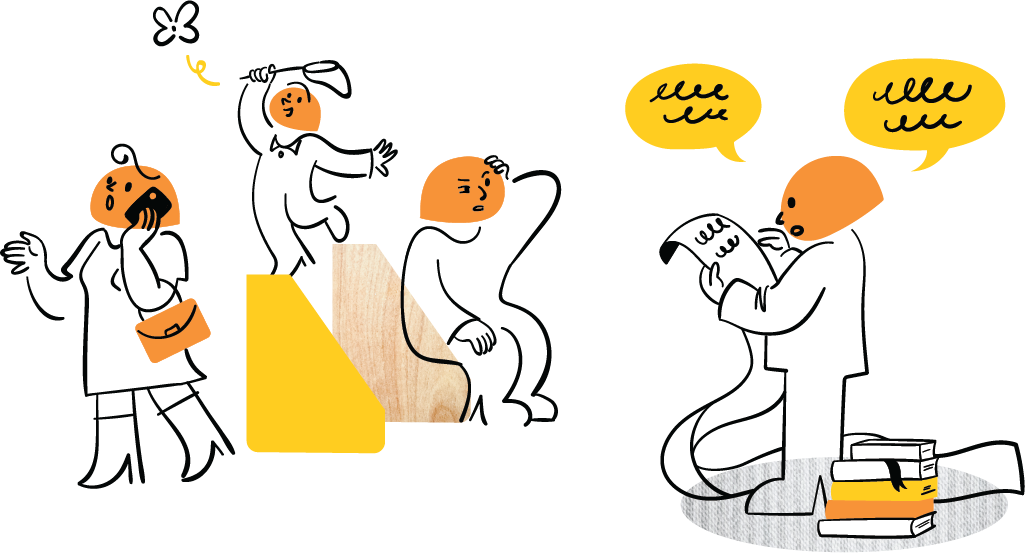
The issue is rarely a lack of information. It’s that knowledge is not clearly understood and applied in real situations.
This problem shows up in:
They struggle with unclear information, too dense, or difficult to apply in real situations.
People are trained
Documentation exists
Systems are in place
But when knowledge cannot be clearly understood in context, things begin to break down.
These are not isolated mistakes. They are signs of a deeper breakdown in understanding.
These problems may look different on the surface. But they often come from the same underlying issue:
People are given information but cannot clearly interpret, connect, and apply it when it matters. This is not a knowledge problem. It’s an understanding problem.
You bring the challenge. We shape the solution. Here’s how we make the process easy, even without a full brief.
Errors caused by misunderstanding often surface at the exact moment precision matters most - during audits, procedures, or critical decisions.
Clear instructions don’t always lead to correct interpretation, especially when people must act under pressure or navigate multiple variables.
New hires, partners, and users often take too long to perform - not because they lack training, but because knowledge doesn’t translate into independent action.
Teams invest heavily in onboarding and training, but people still take time to become effective. Not because knowledge is missing, but because it is difficult to connect, interpret, and apply in real situations.
Deals stall, adoption drops, and support costs rise when complex products or services aren’t understood the same way by everyone involved.
Even strong products lose value when they are not clearly understood. Customers and teams interpret features differently, miss key relationships or fail to see how things actually work.
Tools, systems, and processes fail when people don’t fully understand how to use them correctly.
Processes and systems are in place, but people don’t always follow them correctly, especially when the underlying logic is not clear.
In healthcare, science, and regulated environments, information is delivered — but confidence in applying it correctly is often missing.
Some knowledge is inherently difficult to interpret and apply. As complexity increases, people face: uncertainty, hesitation, inconsistent decisions.
Most approaches focus on delivering information, not ensuring understanding.
More content
More documentation
More training
Clear instructions do not always lead to correct understanding.
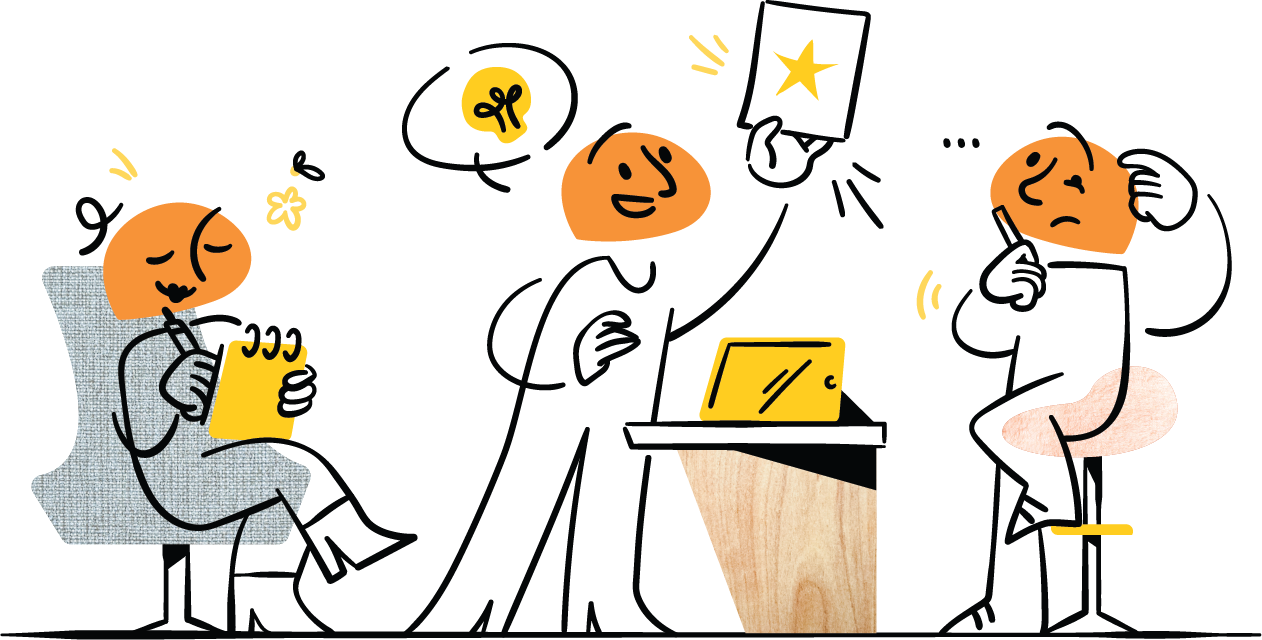
This is where visual explanation plays a role, not as decoration, but as a way to make structure, relationships, and decisions more explicit.
At F.Learning Studio, we focus on how knowledge is interpreted, connected and applied in real situations
Using visual learning and animation, we help make:
So people don’t just receive information, they can actually use it.
Helping people learn faster, remember under pressure, and act correctly in real work.
Aligning understanding of complex products, services, and systems across teams and markets.
Reducing risk and misunderstanding where clarity directly affects safety and outcomes.
These outcomes show up across training, communication, and healthcare, but they’re delivered through a small set of focused capabilities:
Deciding what needs to be explained, in what order, and at what level of detail, so the message stays clear, focused, and easy to apply.
Turning complex knowledge into clear, consistent visual explanation.
Deciding what needs to be explained, in what order, and at what level of detail.
Helping people practice decisions in context so the right action becomes natural.
Creating quick-reference visuals that support correct action at the moment it’s needed.
Because “clear to read” isn’t the same as “clear to act.” Under time pressure, people rely on quick cues, not long explanations.
Completion isn’t performance. If training doesn’t show what “right” looks like in real situations, people revert to habits.
Most steps are learned once, then rarely recalled until the moment they’re needed, when stress and distractions make recall unreliable.
Text and slides leave room for assumptions. Different roles, contexts, and prior knowledge create different “mental versions” of the same rule.
Visuals reduce ambiguity and improve recall, but real change also needs reinforcement, practice, reminders, and tools that fit the workflow.
Let’s look at where clarity breaks down and how to fix it.
Our services
Use cases
Description project
Views
502,839,346
Downloads
5,988,821
Categories
Medical, Brand, Chemical
Want Custom Animated Videos or Boosting Your Learning? We’re Here for You!
Add Your Heading Text Here
Add Your Heading Text Here
Add Your Heading Text Here
Add Your Heading Text Here